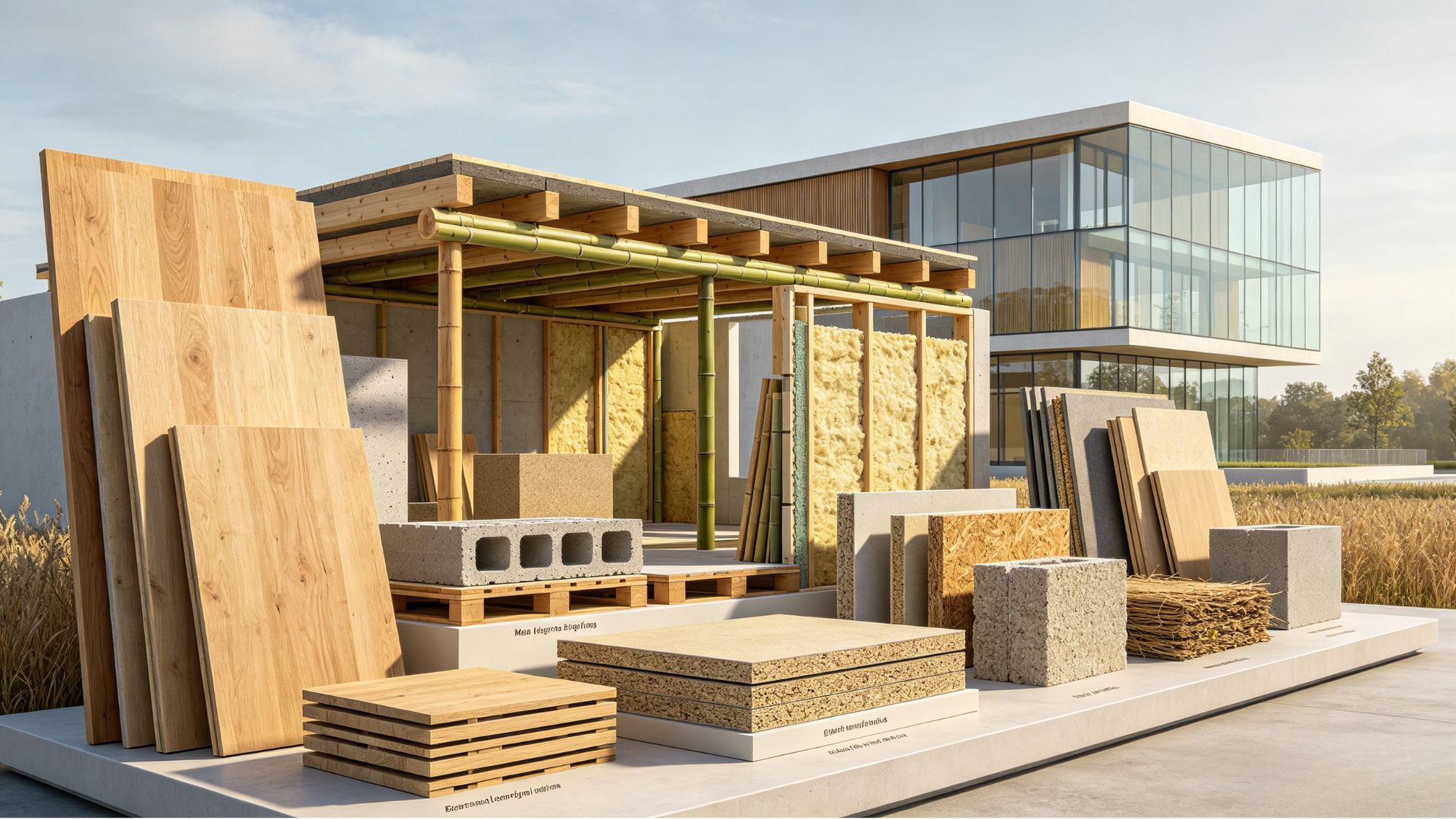
The construction industry is increasingly exploring bio-based materials as architects and engineers search for ways to reduce embodied carbon and improve resource efficiency. However, the term “sustainable material” covers a wide range of products with very different mechanical properties, manufacturing processes, and practical limitations.
Materials such as mass timber, engineered bamboo, hemp-lime, and agricultural composites are often grouped together because they originate from renewable resources. Yet they serve very different roles in building design. Some are capable of replacing traditional structural materials, while others are better suited for insulation, interior finishes, or moisture management.
Understanding these differences helps designers select bio-based materials based on actual performance requirements rather than environmental claims alone.
Mass timber refers to engineered wood products such as cross-laminated timber (CLT), glued laminated timber (glulam), and nail-laminated timber. Unlike conventional lumber, these products are manufactured by combining multiple layers of wood elements into large structural components with improved strength and dimensional stability.
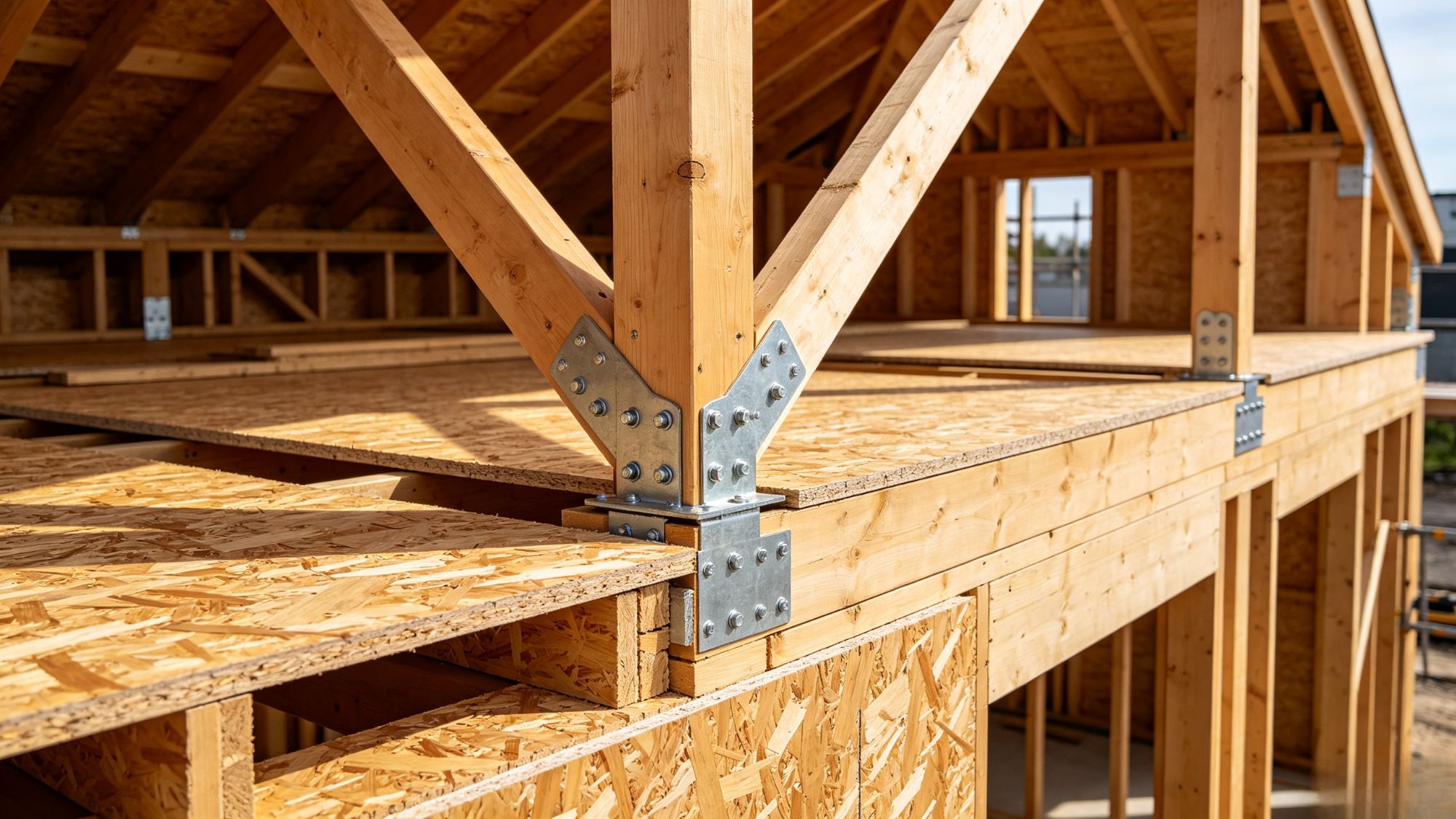
The layered structure of mass timber allows it to perform as a structural system rather than simply a finishing material. Cross-laminated timber panels, for example, can provide load-bearing walls, floor systems, and roof structures in multi-story buildings.
One of the primary advantages of mass timber is its relatively high strength-to-weight ratio. Compared with heavier materials such as reinforced concrete, timber components are lighter, which can reduce transportation demands and decrease foundation requirements in certain projects.
The lighter construction process also allows many components to be prefabricated in controlled factory environments, improving installation efficiency and reducing material waste on construction sites.
A common concern surrounding structural wood is fire resistance. However, properly designed mass timber behaves differently from thin wood products. When exposed to fire, the outer layer of a large timber element can form a protective char layer that slows heat penetration into the remaining structural section.
This predictable charring behavior allows engineers to design mass timber structures with specific fire performance requirements. As with all building materials, actual performance depends on factors such as thickness, connections, protective systems, and building codes.
Bamboo has been used as a construction material for centuries, but modern processing techniques have transformed it into engineered products suitable for more advanced applications.
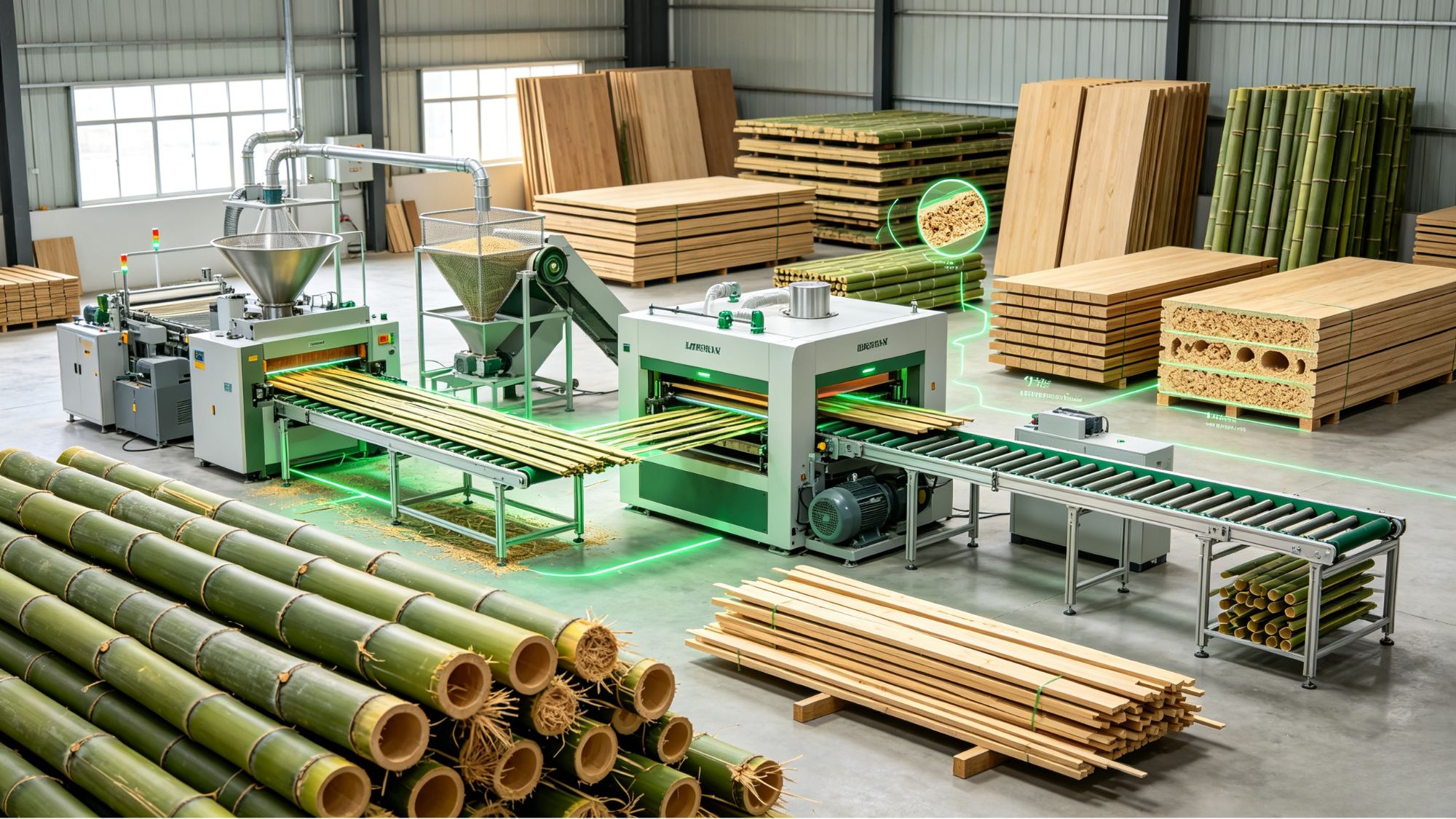
Unlike traditional bamboo poles, engineered bamboo products are manufactured by processing bamboo strips or fibers, removing impurities, drying the material, and bonding layers together under controlled pressure and temperature.
Bamboo naturally contains long, aligned fibers that provide strong tensile properties. Through engineering processes, these fibers can be rearranged into laminated panels, beams, and structural boards with improved consistency compared with untreated bamboo.
Engineered bamboo can achieve mechanical performance comparable to some hardwood products, making it suitable for flooring, panels, furniture, and selected structural applications.
However, performance depends heavily on manufacturing quality, adhesive selection, moisture control, and the specific bamboo species used. Not all bamboo varieties are appropriate for structural applications.
Bamboo grows significantly faster than many conventional timber species, allowing some varieties to reach harvest maturity within several years. This rapid regeneration cycle is one of its major environmental advantages.
However, renewable growth alone does not determine total environmental impact. Manufacturing engineered bamboo requires energy for processing, drying, and bonding. The final sustainability profile depends on factors such as factory energy sources, transportation distance, and binder chemistry.
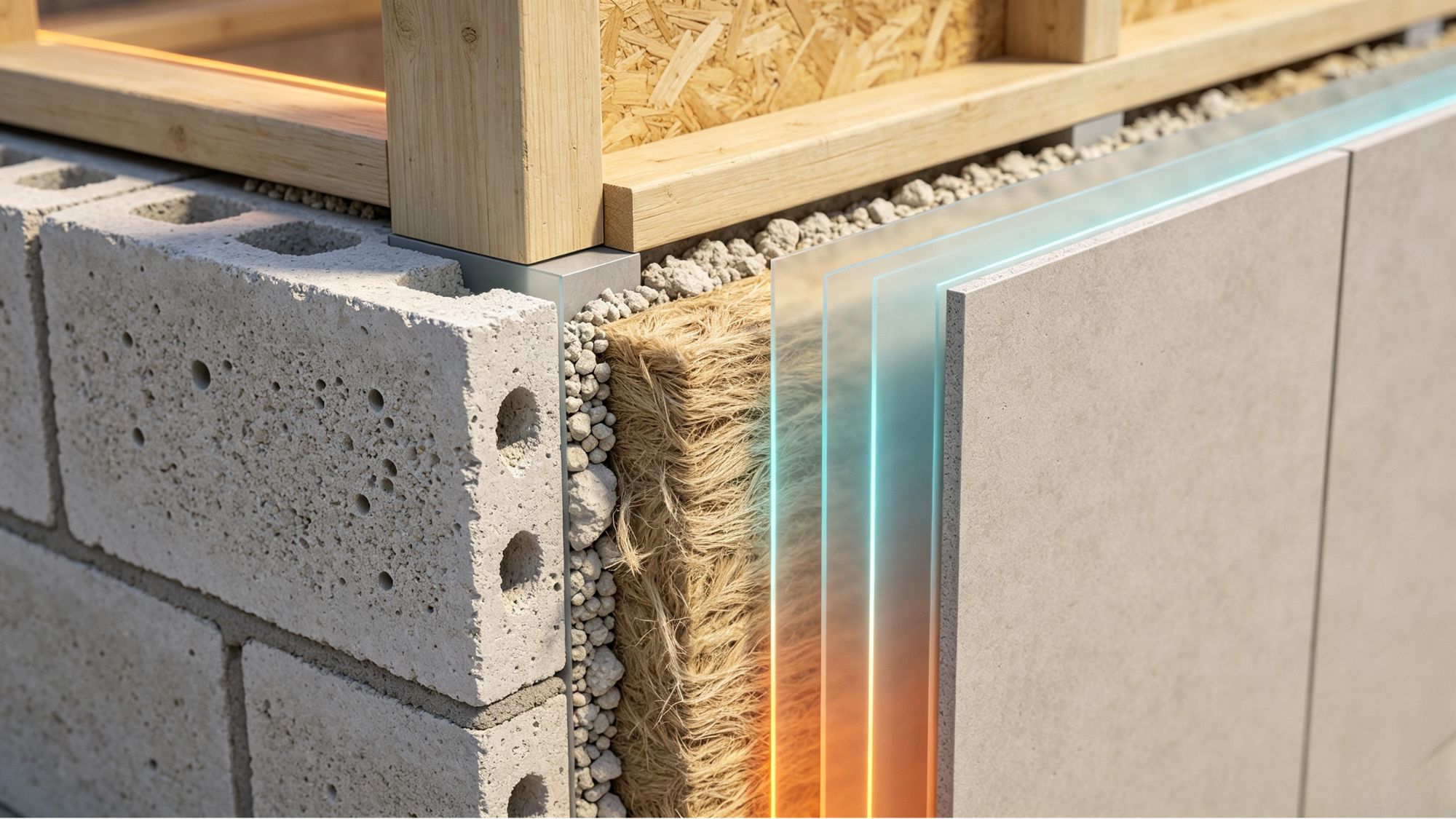
Hemp-lime, commonly known as hempcrete, serves a different purpose from structural materials such as mass timber and engineered bamboo. Rather than carrying major building loads, it is primarily used as a lightweight wall infill and insulation material.
The material combines hemp hurd—the woody inner portion of the hemp plant—with lime-based binders and water. Over time, the mixture hardens through carbonation, creating a porous composite with unique thermal and moisture properties.
One of hemp-lime’s key characteristics is its ability to regulate moisture movement. Its vapor-permeable structure allows water vapor to pass through the wall assembly, helping moderate indoor humidity when properly integrated into a building envelope.
Its combination of insulation and thermal mass can also reduce temperature fluctuations inside buildings, potentially lowering heating and cooling demand.
However, hemp-lime has relatively low compressive strength compared with structural materials. It is typically installed around a separate structural frame made from timber, steel, or other load-bearing systems.
Because hemp-lime relies on a slower curing process rather than rapid chemical hardening, construction schedules may require additional planning. Proper detailing is also necessary to protect the material from prolonged exposure to excessive moisture.
When correctly designed, hemp-lime can contribute to energy-efficient building envelopes, but it is not intended to replace primary structural systems.
Agricultural composites represent another category of bio-based materials that use waste streams from farming and food production. Common raw materials include rice husks, wheat straw, coconut fibers, and sugarcane bagasse.
Instead of allowing these materials to be burned or discarded, manufacturers can process them into panels, boards, and insulation products.
The main advantage of agricultural composites is their ability to convert underused biomass into functional construction products.
Typical applications include:
Interior wall panels
Acoustic materials
Decorative surfaces
Lightweight insulation products
Furniture components
These applications allow agricultural residues to replace some conventional materials while reducing demand for newly extracted resources.
The environmental performance of agricultural composites depends strongly on the materials used to bind plant fibers together.
Products manufactured with petroleum-based resins may reduce some sustainability benefits, while emerging bio-based binders and mineral-based alternatives can improve overall environmental performance.
As the technology develops, agricultural composites are likely to expand into more specialized construction applications, although many current products remain focused on non-structural uses.
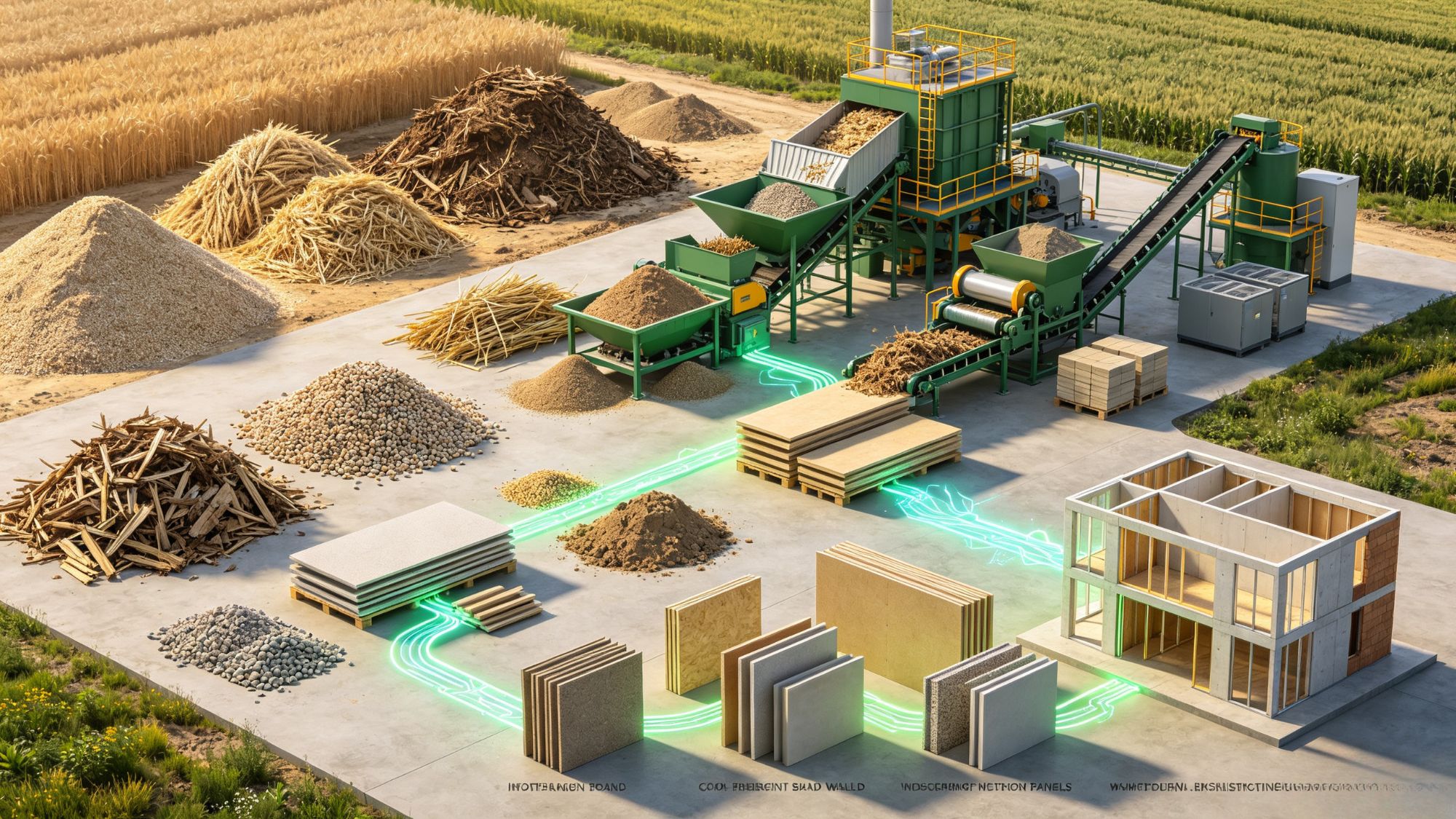
Mass timber, engineered bamboo, hemp-lime, and agricultural composites are not direct competitors. Each material provides advantages in different parts of a building system.
Mass timber and engineered bamboo are primarily valued for structural applications where strength and load capacity are important. Hemp-lime contributes to insulation, thermal regulation, and moisture management. Agricultural composites are often used for interior applications and lightweight building components.
A successful sustainable building design typically combines multiple materials rather than relying on a single solution. By matching each material’s physical characteristics with the correct application, architects and engineers can improve both environmental performance and long-term building reliability.
Bio-based building materials represent a diverse group of technologies rather than a single category of sustainable construction solutions. Mass timber offers structural capability for large-scale buildings, engineered bamboo provides high-strength renewable fibers, hemp-lime improves building envelope performance, and agricultural composites create value from agricultural waste streams.
Understanding the strengths and limitations of each material allows designers to move beyond simple sustainability labels and make decisions based on engineering performance, lifecycle impact, and practical construction requirements.
