Modern plumbing fixtures are designed to do much more than simply move water from a supply pipe to a faucet, shower, or toilet. Inside many everyday fixtures are small but carefully engineered components that manage flow rate, compensate for pressure changes, shape the water stream, and control how much water is released during use. Aerators, flow regulators, pressure-compensating devices, and dual-flush mechanisms all solve different parts of the same challenge: delivering enough water to perform a task while avoiding unnecessary consumption.
For homeowners, understanding these technologies can make it easier to select efficient fixtures, identify performance problems, and understand why two products that look similar can behave very differently. A faucet that produces a comfortable stream, a showerhead that maintains a consistent spray, and a toilet that uses different flush volumes all rely on internal designs that carefully control water movement.
Water delivery in a home depends on several factors, including incoming supply pressure, pipe dimensions, fixture design, and the internal components that regulate flow. Without any form of control, a fixture connected to a high-pressure system could release more water than necessary, while pressure fluctuations elsewhere in the building could affect how another fixture performs.
Manufacturers address these issues by combining different mechanical solutions. Some components focus on limiting the amount of water that passes through a fixture, while others improve the way water feels during use or maintain more consistent performance when conditions change. These technologies are widely used in residential and commercial plumbing because they improve efficiency without requiring users to change normal daily habits.
Although these components are often discussed together, they perform different functions. An aerator primarily changes the character of a faucet stream. A flow regulator controls maximum water volume. A pressure-compensating device helps maintain consistency when supply conditions vary. A dual-flush mechanism changes the amount of water used during each toilet flush.
A faucet aerator is a small device installed at the end of a faucet spout. Many people assume it is only a filter screen, but modern aerators typically contain multiple layers of mesh, flow channels, and air-mixing structures designed to control the exiting water stream.
The main purpose of an aerator is to mix air with water as it leaves the faucet. By adding air, the aerator creates a fuller-feeling stream while using less water than a larger solid stream would require. This allows users to maintain a comfortable experience for tasks such as washing hands, brushing teeth, or rinsing dishes without relying solely on higher water volume.
Aerators also improve stream control. A fast, narrow stream can strike a sink basin with enough force to create splashing, while an aerated stream is usually softer and more evenly distributed. This improves everyday usability while reducing wasted water caused by overspray.
Many low-flow faucets use aerators designed to meet water-efficiency standards. The U.S. Environmental Protection Agency’s WaterSense program is a voluntary certification program that identifies products meeting specific efficiency and performance requirements. WaterSense-labeled bathroom faucets, for example, must meet flow-rate criteria while still providing acceptable performance under standardized testing conditions.
However, an aerator does not increase the actual water pressure supplied to a home. It changes how the water stream behaves after it leaves the faucet. If a faucet has weak flow because of low household pressure, a blocked supply line, or a plumbing issue, replacing the aerator may not solve the underlying cause.
Mineral buildup can also affect aerator performance, especially in areas with hard water. Deposits may restrict the small openings inside the device, causing uneven spray patterns or reduced flow. Cleaning or replacing an aerator is often one of the simplest maintenance steps for restoring normal faucet performance.
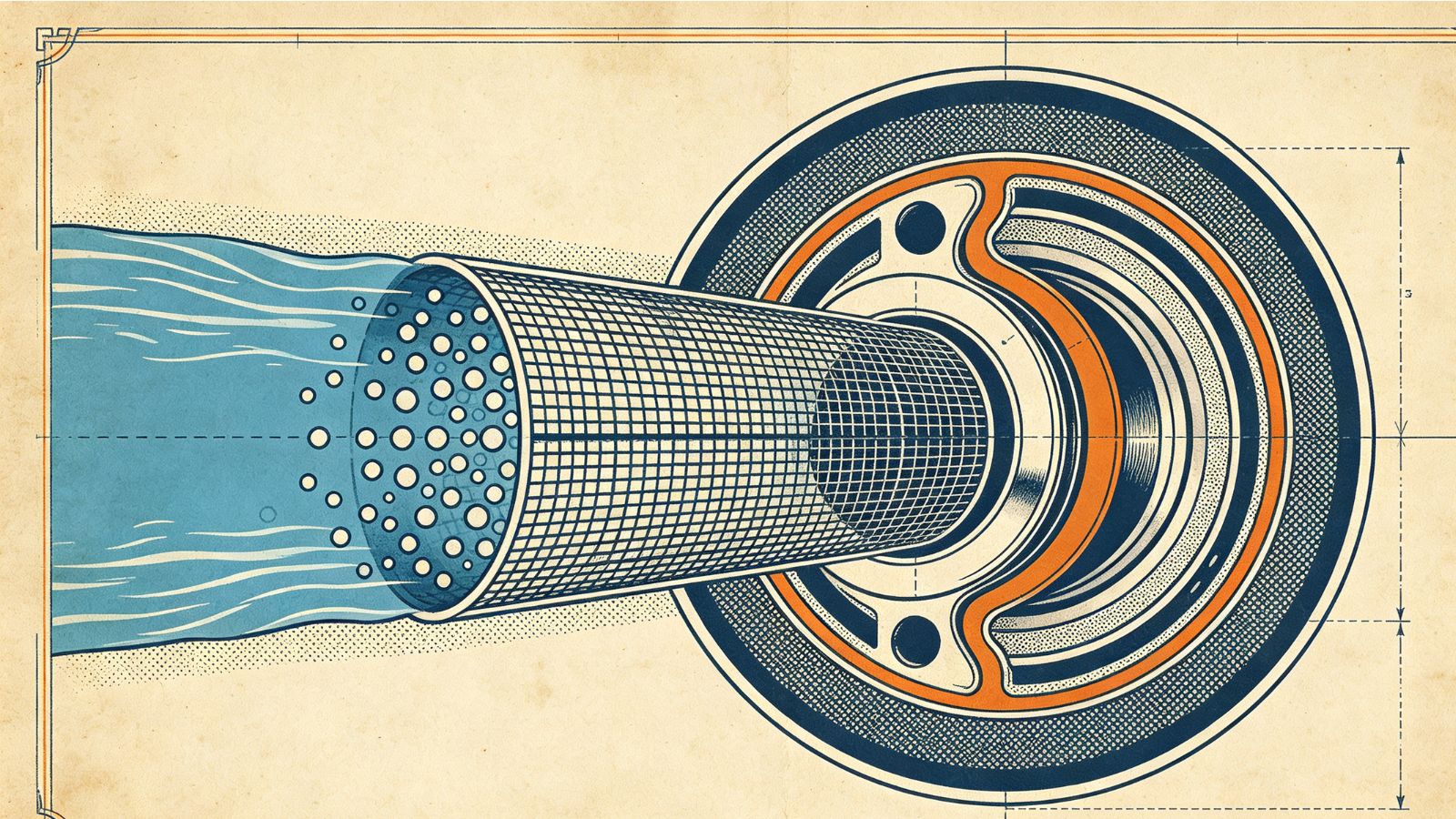
A flow regulator is designed to control the volume of water passing through a fixture. Unlike an aerator, which mainly changes the feel and shape of the stream, a regulator directly limits how much water can move through the fixture under operating conditions.
Flow regulators are commonly used in showerheads, faucets, and other plumbing equipment. They typically work by creating a controlled restriction inside the water pathway. This prevents fixtures from delivering excessive flow, particularly in systems where supply pressure is higher than the fixture requires.
For example, a showerhead connected to a high-pressure plumbing system could potentially deliver a stronger flow than intended. A regulator helps keep the output closer to the fixture’s designed flow rate, usually measured in gallons per minute (GPM). A fixture’s rated flow represents performance under testing conditions, but actual household results may vary depending on plumbing configuration and available pressure.
A common misconception is that a low-flow fixture automatically means poor performance. In reality, modern fixture design often combines flow regulation with stream engineering, improved spray patterns, and pressure management to maintain user comfort while reducing unnecessary water use.
Water pressure inside a building is not always constant. It can change when multiple fixtures operate at the same time, when municipal supply conditions fluctuate, or when demand increases during certain periods of the day.
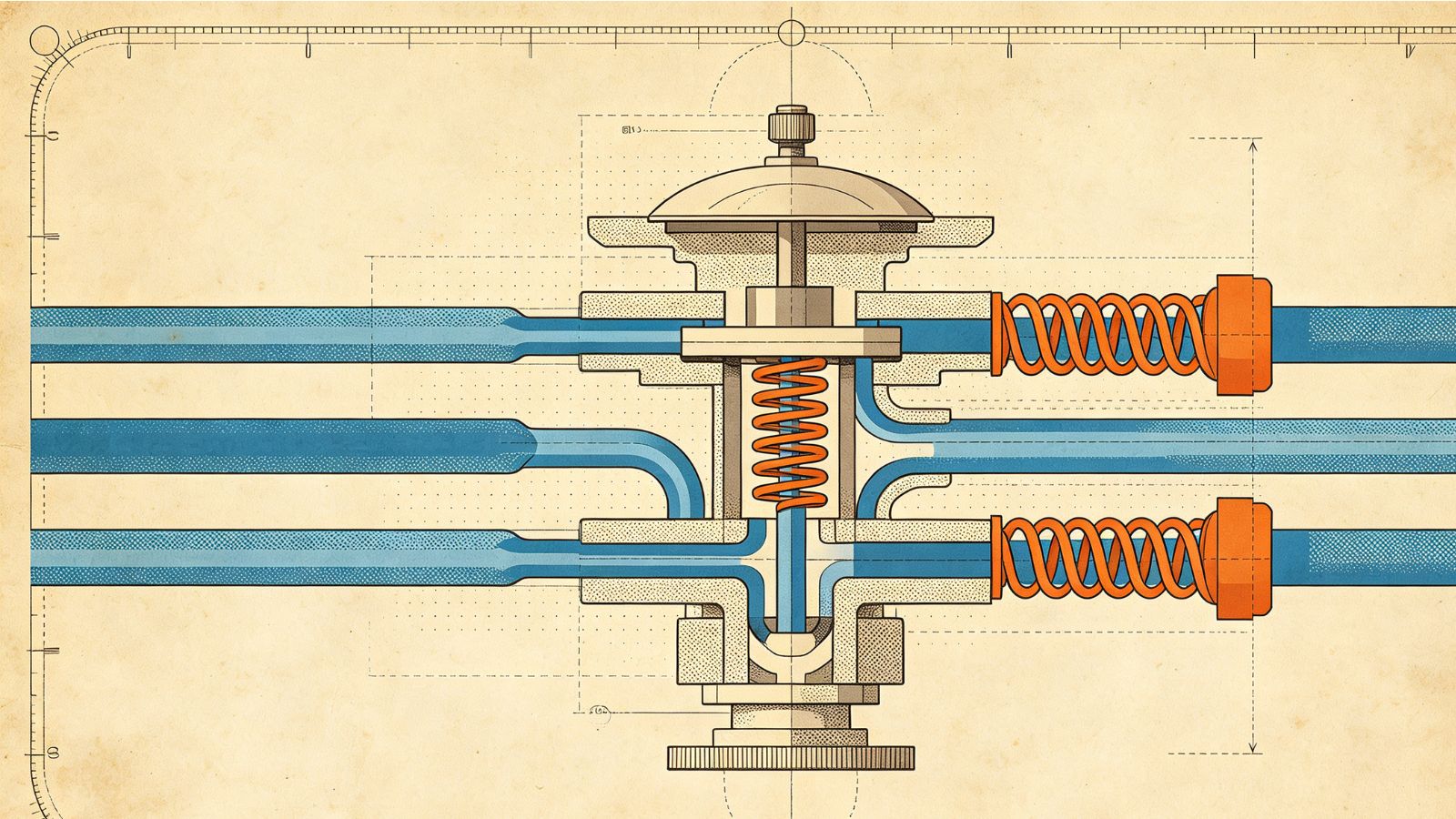
Pressure-compensating devices are designed to reduce the impact of these changes by adjusting how water moves through the fixture. Instead of allowing flow to rise and fall directly with pressure variations, these mechanisms modify the available flow path to maintain a more stable output.
Depending on the product design, pressure compensation may involve flexible flow-control materials, internal pistons, or regulating valves that respond to pressure changes. When incoming pressure increases, the mechanism can reduce the opening available for water movement. When pressure decreases, it can allow more passage area. The goal is a more consistent experience rather than maximum flow at all times.
This technology is particularly useful in shower systems because users often notice sudden changes in spray strength. A pressure-compensating showerhead can help maintain a more predictable flow when another fixture in the home is turned on or when supply conditions change.
It is also important to distinguish pressure compensation from temperature control. Pressure-compensating devices primarily manage water delivery consistency. Preventing sudden hot or cold temperature changes requires separate components, such as pressure-balancing valves or thermostatic mixing valves, which are designed to manage the relationship between hot and cold water supplies.
Toilets are one of the largest indoor uses of household water, which is why improvements in flushing technology have become a major focus of water-efficiency standards. Dual-flush toilets address this issue by allowing users to choose between different flush volumes depending on the type of waste being removed.
A dual-flush toilet typically provides a lower-volume flush for liquid waste and a higher-volume flush for solid waste. The idea is simple: not every flush requires the same amount of water. By matching water volume to the task, the system can reduce unnecessary consumption over time.
Inside the toilet tank, the flush button or lever connects to a mechanism that controls how much water leaves the tank. The partial flush releases less water, while the full flush activates a larger release. Exact flush volumes vary by model and design, so performance depends on the specific toilet.
Modern high-efficiency toilets must balance water savings with reliable flushing performance. WaterSense-labeled toilets are certified to use at least 20% less water than standard models while meeting performance requirements established through testing. This approach recognizes that efficiency is not only about reducing volume but also about ensuring the fixture works properly in everyday conditions.
Although aerators, regulators, pressure compensation, and dual-flush systems use different methods, they all represent a broader approach to intelligent water management. A kitchen faucet may combine a flow-control device with an aerator to reduce consumption while maintaining a comfortable stream. A showerhead may use both flow regulation and pressure compensation because users are sensitive to changes in spray strength. A toilet uses a different strategy by adjusting the amount of water released during each flush.
The most effective water-efficient fixtures do not simply remove water volume. Instead, they use engineering to deliver water more precisely. The goal is not to make every fixture use the least possible amount of water, but to provide the right amount for the specific task.
This distinction explains why fixture quality matters. A poorly designed low-flow product may feel inadequate, while a well-designed efficient fixture can provide similar or improved everyday performance with less water.
When selecting plumbing fixtures, homeowners should consider more than just the lowest flow rating. Efficiency ratings, product design, household water pressure, and intended use all affect whether a fixture will perform well.
For example, a faucet used mainly for hand washing may benefit from a well-designed aerator, while a frequently used shower may require better pressure management. A household replacing an older toilet may see more noticeable water savings from a modern high-efficiency model with reliable flushing technology.
Maintenance also plays an important role. Mineral deposits, worn valves, damaged seals, and clogged screens can change how fixtures operate. Cleaning faucet aerators, inspecting shower components, and maintaining toilet mechanisms can help preserve both efficiency and performance.
Understanding the technology inside plumbing fixtures allows homeowners to make better decisions instead of judging products only by appearance. Small internal components often determine whether a fixture wastes water, performs inconsistently, or delivers a reliable experience for years.
Aerators, flow regulators, pressure-compensating devices, and dual-flush mechanisms each solve a different water-delivery challenge. Aerators improve the feel and control of faucet streams, regulators limit unnecessary flow, pressure compensation helps maintain consistency, and dual-flush systems adjust toilet water use according to need.
Together, these technologies show how modern plumbing combines engineering and efficiency. Rather than simply reducing water use, well-designed fixtures aim to deliver the appropriate amount of water for each task while maintaining the performance people expect from everyday plumbing systems.
