Water systems have traditionally followed a mostly linear path: water is collected from rivers, reservoirs, or groundwater sources, treated for use, delivered to homes and businesses, collected after use, treated again, and returned to the environment. This model has supported communities for generations, but population growth, aging infrastructure, drought conditions, and changing climate patterns have made water management increasingly complex.
An integrated water system takes a broader approach by connecting supply management, conservation, reuse, treatment, and monitoring into a coordinated framework. Rather than managing each function separately, this approach recognizes that decisions in one area influence the performance of the entire system.
The purpose of integrated water management is not to replace traditional water sources. Rivers, reservoirs, and groundwater remain essential parts of modern water supplies. Instead, the goal is to combine different strategies so communities can use available resources more efficiently, maintain reliable service, and adapt to changing environmental conditions.
Traditional water systems often divide responsibilities among separate operations. One group may focus on securing enough source water, another may manage wastewater treatment, and conservation programs may operate independently from infrastructure planning. Each function is necessary, but treating them separately can limit opportunities to improve overall efficiency.
A connected water system considers the full cycle. Conservation can reduce demand on supply sources and treatment facilities. Improved treatment can make water reuse possible. Monitoring provides the information needed to understand changing conditions and determine where adjustments are needed.
This approach is particularly valuable in regions facing water shortages. A community experiencing drought may not be able to solve future challenges simply by developing a new source of water. Instead, it may combine conservation programs, infrastructure improvements, recycled water projects, groundwater management, and detailed monitoring to create a more balanced strategy.
By linking these components together, water managers can build systems that are more flexible and less dependent on any single resource.
Reliable water supply remains the foundation of any community water system. Most regions depend on a combination of surface water, groundwater, reservoirs, rainfall capture, and, in some areas, alternative sources such as desalination or recycled water.
The challenge is not only finding available water but also managing different sources over time. A community that relies too heavily on one supply may face greater risks if that resource is affected by drought, contamination, environmental restrictions, or rising demand.
Diversification can help reduce those risks. Groundwater may provide additional capacity during dry periods, while surface water supplies may be more available during wetter years. However, each source requires careful planning. Excessive groundwater withdrawals, for example, can create long-term problems if extraction exceeds natural recharge.
Effective supply management depends on accurate information about current conditions and future needs. Population growth, environmental requirements, infrastructure limitations, and climate variability all influence how communities should plan their water resources.
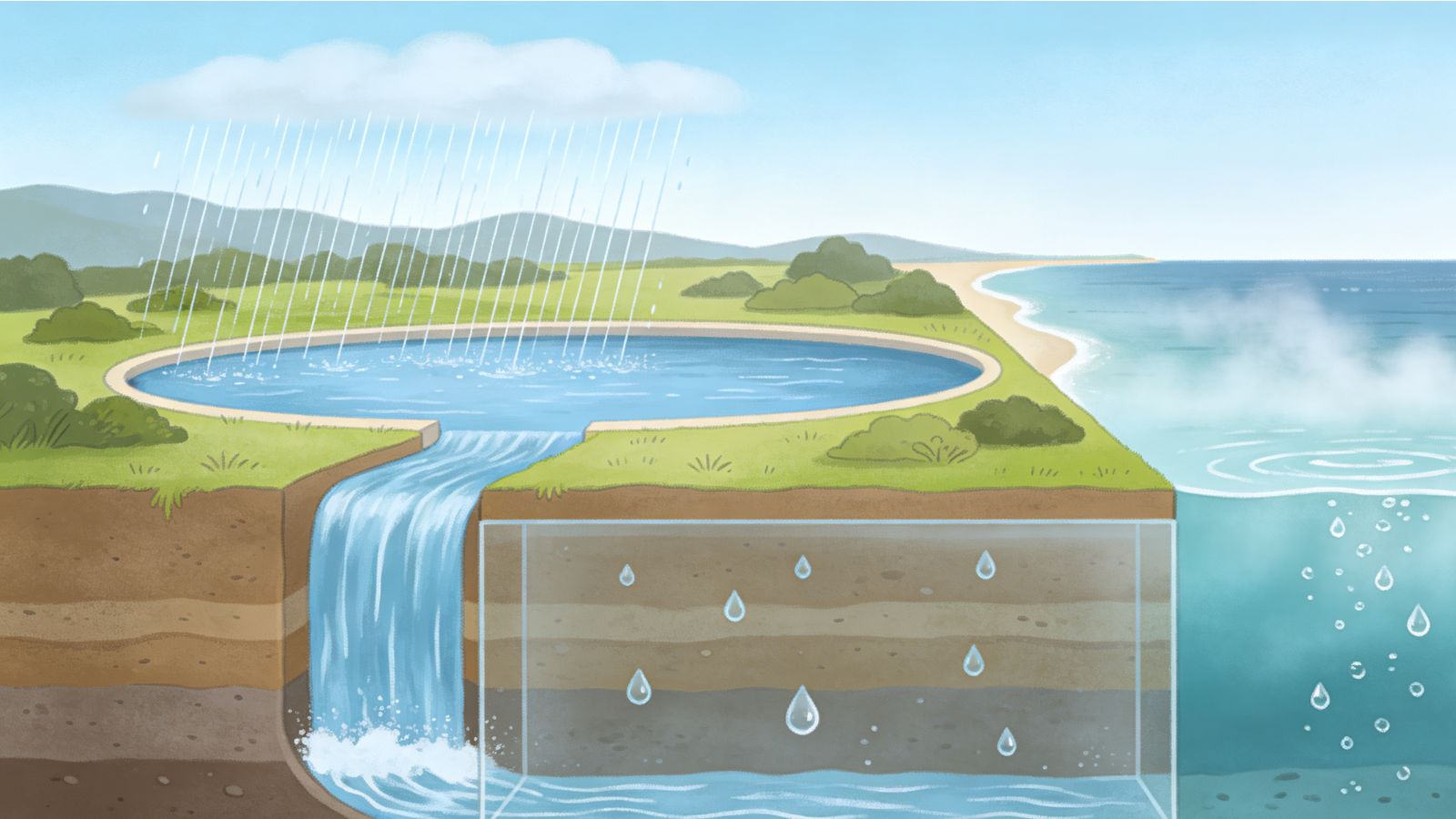
Conservation plays a role far beyond short-term drought response. When households, businesses, and industries reduce unnecessary water use, the entire system experiences less pressure.
Residential conservation may include repairing leaks, installing efficient fixtures, improving irrigation practices, and selecting landscapes that require less water. Commercial and industrial users may reduce consumption through improved processes, equipment upgrades, and more efficient water management practices.
The benefits extend throughout the water cycle. Lower demand can reduce withdrawals from rivers, reservoirs, and aquifers while also decreasing the amount of wastewater requiring treatment. Over time, conservation can help utilities operate infrastructure more efficiently and delay the need for costly expansions.
Reliable information is essential for successful conservation programs. Monitoring water consumption patterns allows utilities to identify where improvements are possible and evaluate whether conservation efforts are producing meaningful results.
Few parts of integrated water management illustrate this shift more clearly than water reuse. Instead of viewing wastewater only as something that must be treated and discharged, communities can recover water resources and use them again for appropriate purposes.
Recycled water is commonly used for landscape irrigation, industrial operations, agricultural applications, and groundwater recharge. In some regions, advanced treatment systems allow highly purified recycled water to become part of drinking water supplies after meeting strict regulatory requirements.
Water reuse does not involve using untreated wastewater. Modern recycling systems rely on multiple treatment barriers designed to reduce specific contaminants and meet standards established for the intended application. The required treatment level depends on whether the water will support irrigation, industrial use, environmental restoration, or potable reuse.
Successful reuse programs require more than advanced technology. Public communication, regulatory oversight, and continuous monitoring are necessary to maintain confidence and ensure systems operate as intended.
California provides an example of how integrated strategies are being applied in areas facing long-term water challenges. Regional water providers in Southern California have invested in recycled water programs, groundwater recharge efforts, and conservation initiatives as part of broader water reliability planning. These approaches are designed to diversify supplies and reduce pressure on traditional freshwater sources rather than eliminate the need for them.
Treatment and monitoring work together to protect water quality and support reliable operation. Treatment processes prepare water for different uses, while monitoring provides the information needed to confirm that systems continue to perform properly.
Drinking water treatment removes or reduces contaminants before water reaches consumers, while wastewater treatment reduces pollutants before water is released into the environment or reused. Treatment systems typically involve several stages, including physical processes that remove solids, biological processes that reduce organic matter, and additional treatment steps that address specific water quality concerns.
The appropriate treatment level depends on the intended use of the water. Water returned to the environment may require different standards than water prepared for industrial reuse or potable reuse. Because of this, treatment decisions must be connected to regulations, operational goals, and ongoing quality assessments.
Monitoring provides the data that links every part of the system. Utilities track factors such as reservoir conditions, groundwater levels, water quality indicators, treatment performance, pipeline losses, and customer demand. This information allows operators to identify issues earlier and make better management decisions.
Modern water systems increasingly use digital sensors, automated equipment, and data analysis tools to improve oversight. However, technology is only one part of effective monitoring. Accurate measurements, regular maintenance, and trained professionals remain essential for reliable operation.
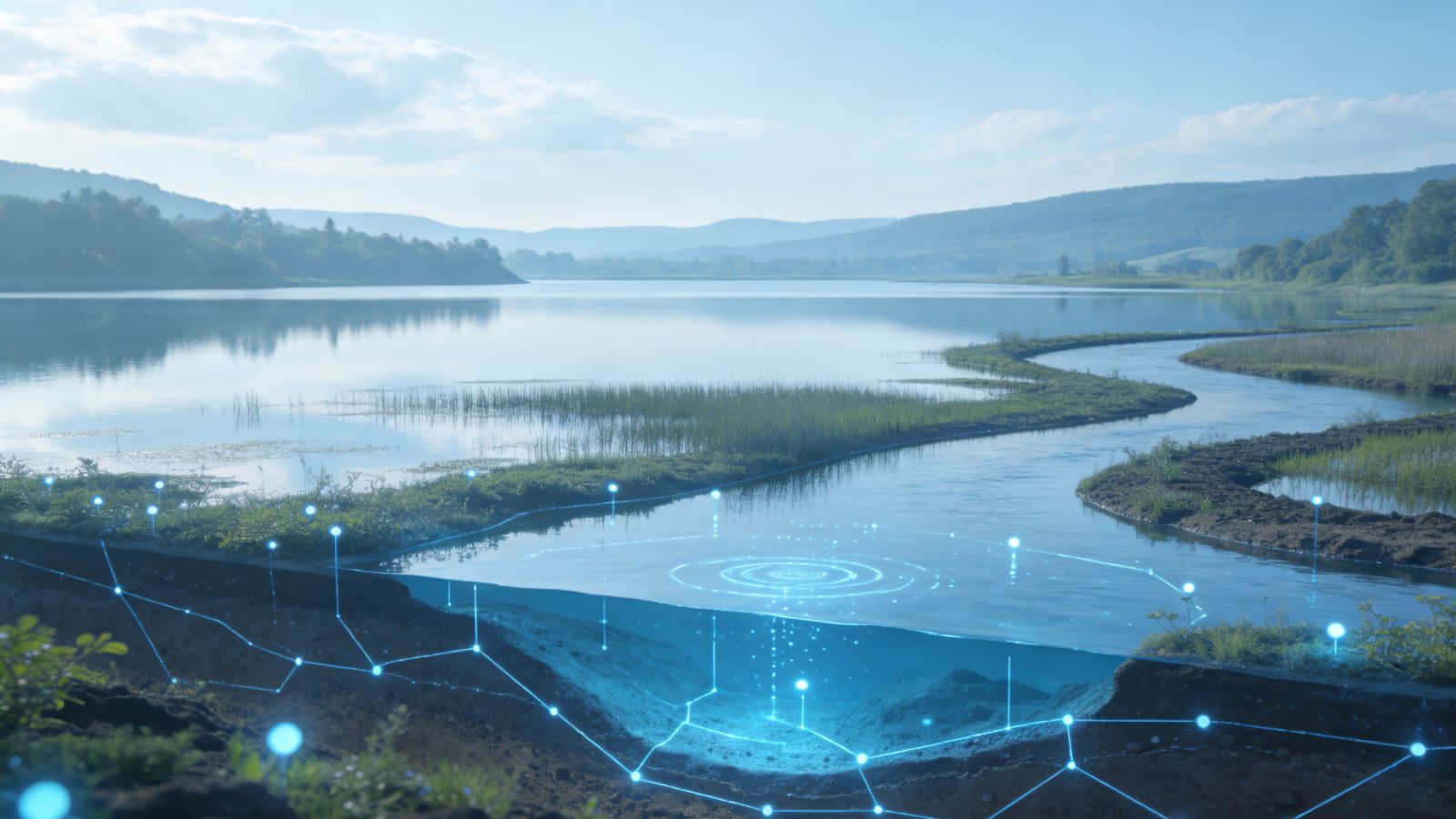
The strength of an integrated water system comes from coordination. These elements do not operate independently. A reliable system depends on how well communities balance supply decisions, efficiency measures, treatment capacity, and real-time information.
For example, conservation can reduce demand enough to delay expensive supply expansion. Reuse can provide additional resources while reducing pressure on freshwater sources. Treatment makes recycling possible, and monitoring helps confirm that every stage continues to meet safety and performance requirements.
This coordinated approach also prevents communities from relying on one-dimensional solutions. Building new infrastructure without improving efficiency may not address long-term challenges. Expanding reuse without proper treatment and monitoring may create unnecessary risks. Effective water management requires balancing reliability, efficiency, environmental protection, and public confidence.
Although integrated water management offers significant advantages, creating these systems requires careful planning. Infrastructure improvements can involve major investment, and communities must consider local water availability, environmental conditions, regulations, and public expectations.
Public understanding is especially important for advanced reuse projects. Some communities may have questions about recycled water, particularly when it is considered for drinking water applications. Clear explanations of treatment processes, safety requirements, and monitoring practices help people understand how these systems are designed to protect water quality.
Future water management will likely depend on flexible systems that can respond to uncertainty. Improvements in conservation technology, treatment methods, digital monitoring, and long-term planning will help communities manage changing conditions more effectively.
A resilient water system is not created by one project or one technology. It depends on connecting multiple strategies so water resources can be managed efficiently throughout their entire cycle.
An integrated water system changes the way communities approach water management. Instead of focusing only on developing additional supplies, it combines resource planning, conservation, reuse, treatment, and monitoring into a coordinated approach.
Each component serves a specific role, but the greatest benefits come from how these parts work together. By managing water as a connected resource, communities can improve reliability, protect water quality, and prepare for future challenges while making better use of existing resources.
