As electric vehicle (EV) adoption grows across the United States, apartment communities and shared parking garages face a practical infrastructure challenge: how can one building support multiple EV charging stations without overwhelming its existing electrical system?
The solution is not simply adding more charging outlets. Multifamily EV charging requires coordination between electrical capacity, charging equipment, building design, utility requirements, and energy management systems. A successful installation must provide convenient charging access for residents while keeping the building’s electrical infrastructure operating safely and efficiently.
Unlike a single-family home where one owner controls the garage and electrical service, apartment buildings rely on shared systems that already support many essential services. Before adding EV chargers, property owners must understand how much additional power the building can provide, when electricity demand is highest, and whether existing infrastructure can support future charging growth.
A homeowner installing an EV charger typically works with a single electrical service dedicated to one residence. Apartment buildings are more complex because electricity is distributed across many units and shared facilities.
A multifamily property may already use significant electrical capacity for elevators, lighting, heating and cooling systems, water pumps, laundry rooms, security systems, and other common-area equipment. EV charging introduces a new type of demand because many residents may want to charge at similar times, especially in the evening after returning home.
The important question is not simply whether electricity is available. The real issue is whether the building has enough capacity during periods when normal building operations and EV charging demand occur at the same time.
For example, an apartment garage with multiple charging stations may operate efficiently overnight when many building loads decrease. However, the same system may require careful management during evening hours when residents return home, use appliances, and begin charging vehicles simultaneously.
Before installing multiple EV charging stations, property owners typically begin with an electrical capacity assessment performed by qualified professionals. This evaluation examines how the building’s existing electrical infrastructure compares with expected charging demand.
A typical assessment may review:
The building’s main electrical service rating
Historical electricity consumption patterns
Available capacity during peak demand periods
Electrical panels and distribution equipment
Transformer limitations
Utility connection requirements
The goal is to determine whether the existing electrical system can safely support additional EV charging loads.
Some newer buildings may have sufficient capacity for multiple chargers without major modifications. Older properties, however, often face greater challenges because their electrical systems and parking layouts were not designed with EV charging in mind.
In many cases, the difficulty is not the charging hardware itself but the connection between parking spaces and existing electrical infrastructure. A garage located far from the main electrical room may require longer wiring routes, additional distribution equipment, or more extensive construction work.
Older multifamily buildings often require a different approach to EV charging because their electrical systems were designed decades before widespread electric vehicle adoption. While newer apartment developments may include EV-ready infrastructure during construction, older properties frequently need to adapt existing systems built around traditional residential energy needs.
One of the biggest challenges is available electrical capacity. Many older apartment buildings were designed around household electricity use, elevators, lighting, and mechanical systems but may not have enough unused capacity for many EV chargers operating simultaneously. A professional evaluation helps determine whether the property needs electrical upgrades, load management, or a phased charging plan.
Parking location is another important factor. Older properties often have garages or outdoor parking areas that were positioned without future charging requirements in mind. Parking spaces may be far from the building’s main electrical equipment, making installation more complex and increasing the amount of wiring and infrastructure required.
The distance between parking areas and electrical distribution equipment can influence the entire charging strategy. Some buildings may find that a centralized charging area is more practical than installing dedicated chargers throughout every parking space.
For many older properties, phased deployment provides a more flexible approach. Instead of installing a large number of chargers immediately, owners can begin with a smaller charging area, monitor resident demand, evaluate electricity usage, and expand the system as EV adoption grows.
Property owners should evaluate both current EV demand and future adoption rates before selecting charging infrastructure. A well-planned system should support present needs while allowing room for future expansion.
One of the most important technologies in multifamily EV charging is load management, sometimes called smart charging or energy management.
Without load management, every charger could attempt to operate at maximum power at the same time. In a building with limited electrical capacity, this could create unnecessary demand during peak periods.
A managed charging system monitors electricity use and adjusts EV charging activity based on available capacity. The system manages charging demand rather than changing the building’s existing electrical loads, allowing available power to be distributed more efficiently among vehicles.
For example, a garage with 20 charging stations may not need enough electrical capacity for all 20 vehicles to charge at full power simultaneously. A smart system can distribute available electricity among vehicles, temporarily reduce charging rates when building demand increases, and schedule charging during periods when more capacity is available.
This approach does not replace proper electrical design, but it can allow buildings to support more EV drivers without immediately investing in major infrastructure upgrades.
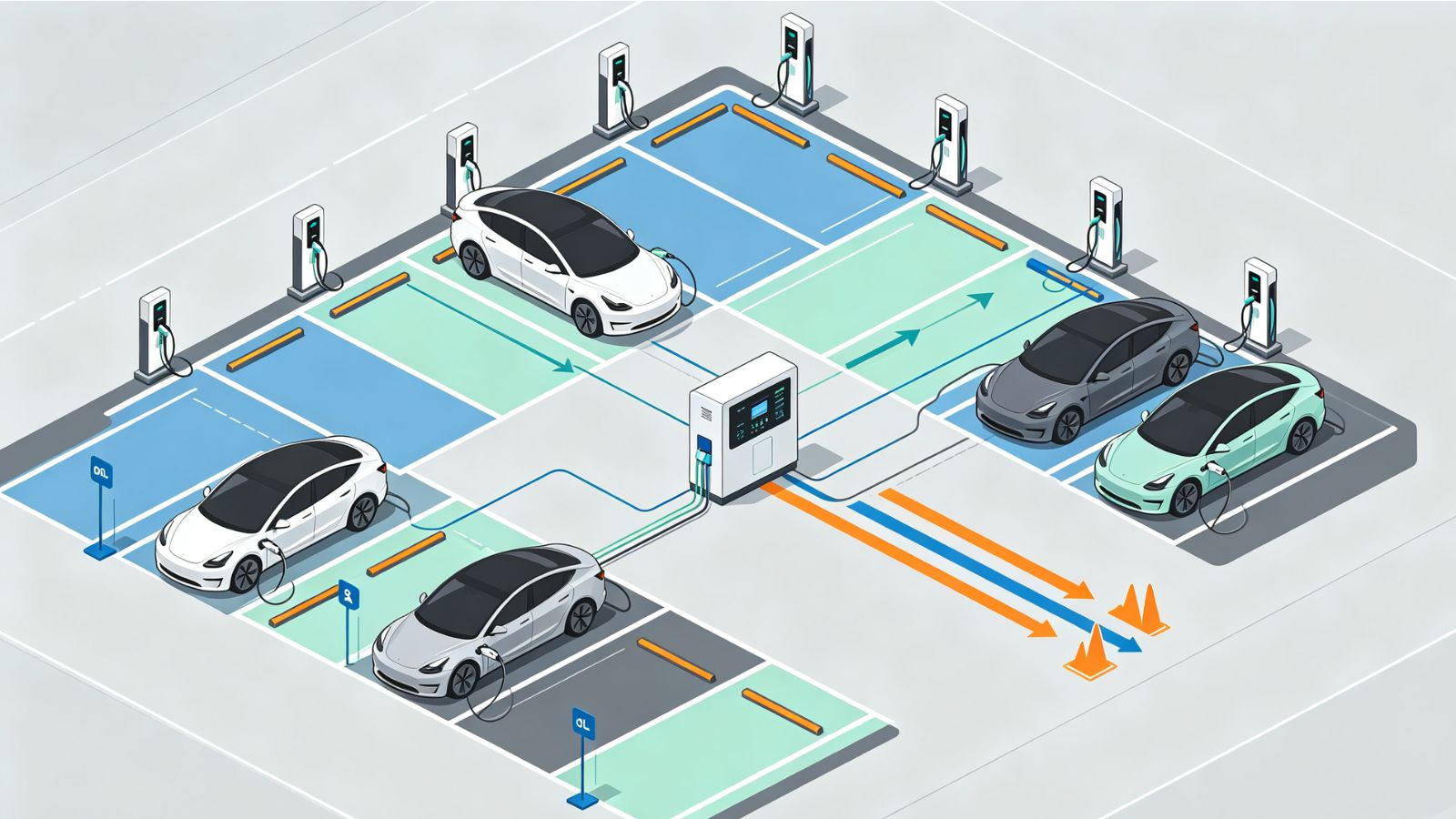
Many apartment and workplace charging projects use Level 2 charging equipment because it provides a practical balance between charging speed and electrical demand.
Level 2 chargers use alternating current (AC) electricity and typically require dedicated electrical circuits. They provide faster charging than standard household outlets while generally requiring less infrastructure than high-powered DC fast charging systems.
A shared apartment charging system usually includes more than the charging stations residents see in the parking area. Behind the chargers, the system may include:
A connection to the building’s electrical service
Dedicated EV charging distribution equipment
Multiple charging stations throughout the parking area
Software for user access, energy monitoring, and billing
The chargers may appear independent, but many modern systems operate as part of a coordinated network that manages electricity use, charging availability, and user access.
Large EV charging installations may require communication with the local electric utility. Utilities help determine whether existing neighborhood infrastructure can support additional electrical demand and may establish requirements for service upgrades or equipment connections.
Some utilities also offer managed charging programs designed to encourage charging during periods when electricity demand is lower. These programs are intended to help utilities manage demand more efficiently while allowing customers to charge vehicles.
Requirements vary across the United States because utilities, permitting processes, and local regulations differ by location. A charging solution that works well for one apartment community may not be suitable for another property with different electrical limitations or parking conditions.
Some larger developments may also consider additional technologies such as renewable energy systems, battery storage, and advanced building energy management platforms. These solutions may help certain properties manage electricity use more effectively, although they are not necessary for every charging project.
EV charging equipment must be installed according to applicable electrical codes and local regulations. In the United States, EV charging installations are addressed in the National Electrical Code (NEC), including Article 625, which covers electric vehicle power transfer systems.
Local authorities commonly require permits and inspections before new charging infrastructure becomes operational. These processes help ensure that equipment is properly installed and safely integrated with the building’s electrical system.
Important installation considerations include:
Proper circuit protection
Correct equipment ratings
Protection from physical damage in parking areas
Weather-resistant equipment for outdoor locations
Compliance with local electrical requirements
Professional installation is especially important in shared garages because these systems serve multiple users and must operate reliably over many years.
Electrical capacity is only one part of apartment EV charging. Property managers must also determine how residents will access chargers and how electricity costs will be allocated.
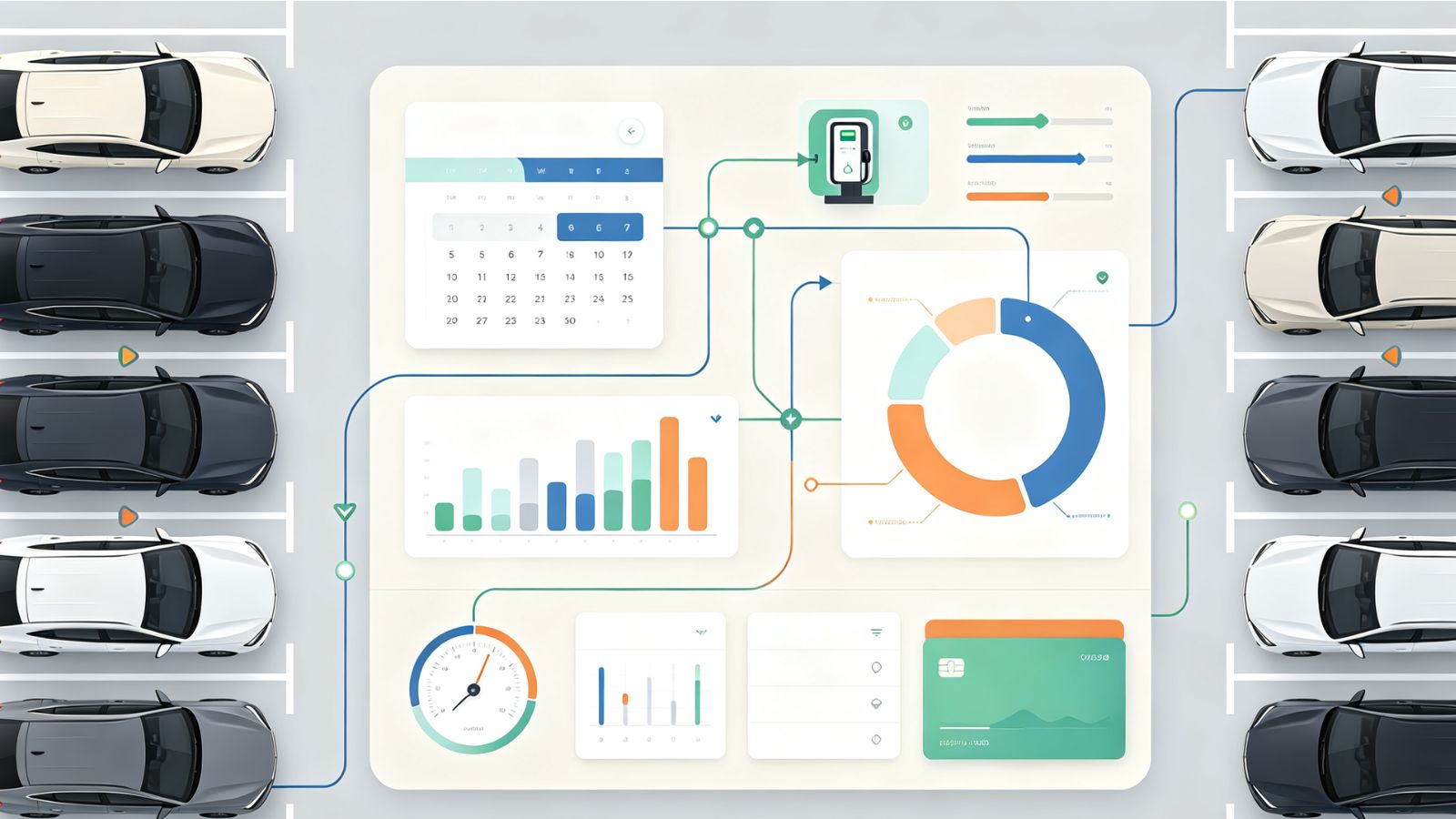
Many shared charging systems include software platforms that allow residents to reserve charging spaces, monitor charging status, track energy consumption, and pay according to usage.
These management features help solve common problems in shared parking environments. For example, a vehicle may remain parked in a charging space after the battery is full, preventing another resident from using the equipment. Reservation systems and usage tracking create a more organized approach to shared charging.
Some properties assign specific chargers to individual residents, while others create shared charging pools where drivers use available stations as needed. The best approach depends on factors such as the number of residents, parking availability, and expected EV adoption.
A common misconception is that every EV owner needs a dedicated charger permanently assigned to their parking space. In reality, shared charging systems can support many drivers through scheduling, access controls, and energy management.
Another misconception is that adding EV chargers always requires a complete electrical upgrade. Some buildings do require additional infrastructure, but others can support new charging stations by using existing capacity more efficiently.
It is also incorrect to assume that EV chargers automatically create a risk of overloading a building. Proper engineering assessments, equipment selection, and load management systems are designed to keep charging demand within safe operating limits.
Multifamily EV charging is likely to become a standard feature of many residential developments as more drivers transition away from gasoline-powered vehicles. However, successful projects will depend on more than simply adding charging stations.
The most effective systems will consider current electrical limitations, future resident demand, charging behavior, and the building’s long-term energy strategy. Properties that plan early will have more flexibility when expanding charging access in the future.
For apartment owners, the most important decisions happen before installation begins: understanding available electrical capacity, evaluating parking conditions, and selecting infrastructure that can adapt as demand changes.
Apartment and shared-garage electrical systems can support multiple EV charging stations when they are designed around real-world usage patterns. Through careful capacity planning, smart charging technology, utility coordination, and proper installation practices, buildings can expand EV access while maintaining safe and reliable electrical operation.
Supporting multiple EV charging stations in an apartment or shared garage requires more than installing charging equipment. It requires a coordinated approach that considers electrical capacity, building infrastructure, resident behavior, and long-term energy demand.
With proper planning and modern energy management solutions, multifamily properties can provide reliable EV charging access without unnecessarily overbuilding their electrical systems. As electric vehicles become more common, shared charging networks will play an increasingly important role in the future of residential transportation.
