Installing an electric vehicle charger at home often involves more than selecting equipment that matches a vehicle. Many households begin planning a garage charging installation and discover that the charger must operate within an electrical system already supporting heating and cooling equipment, water heaters, kitchen appliances, lighting, and other daily loads.
For many properties, especially older homes or those undergoing renovations, EV charging becomes part of a larger conversation about future electricity use. A garage remodel, electrical panel update, heat pump installation, or replacement of traditional appliances with electric alternatives can change how a home uses power over time. The charger itself may be only one part of a broader decision about how the property will handle increasing electrical demand.
Automated charging controllers help address these challenges by monitoring electrical conditions and adjusting charging behavior when necessary. Rather than allowing vehicle charging to operate independently from other household demands, these systems coordinate charging with the way electricity is being used throughout the property.
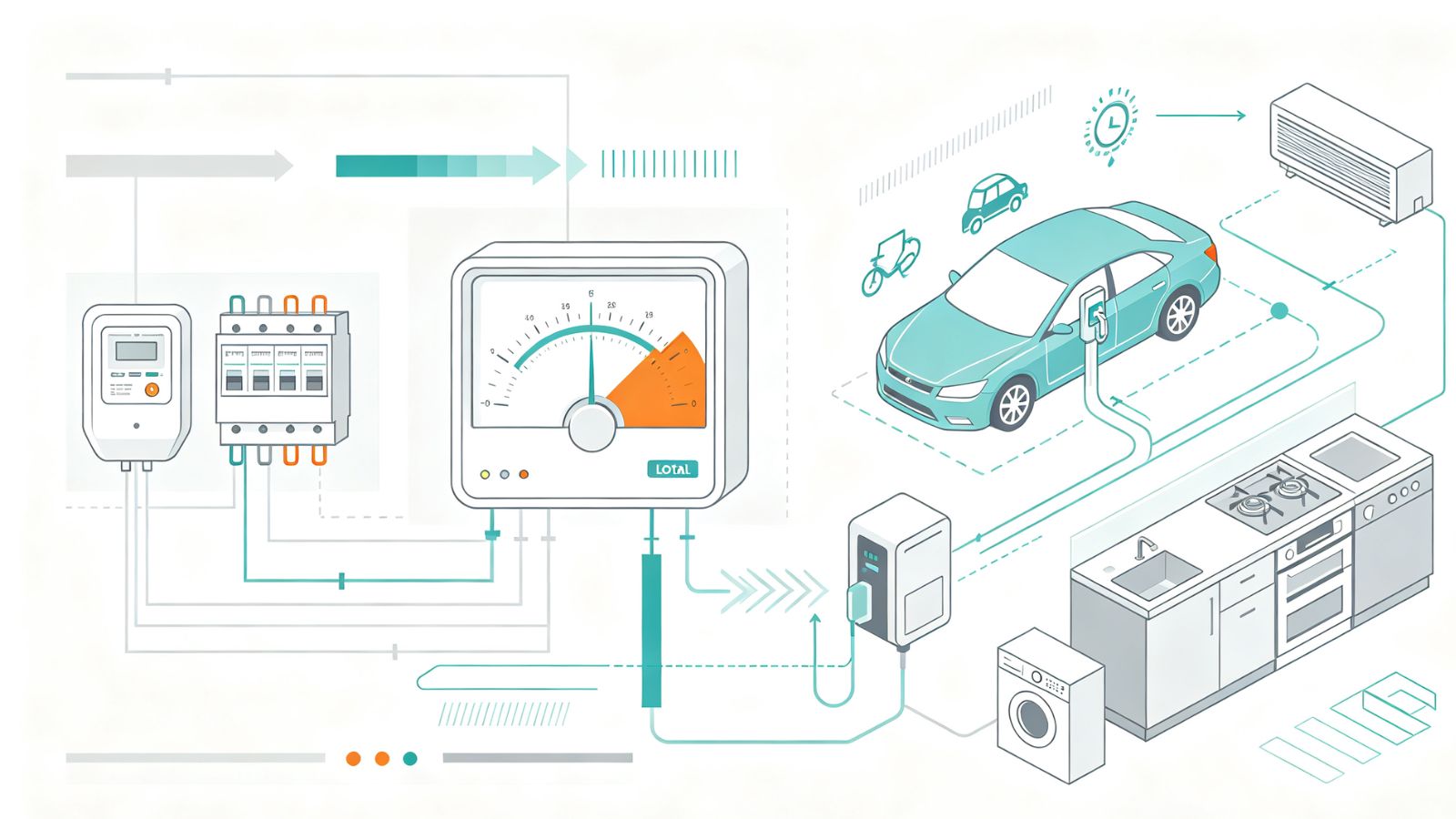
Every home electrical system has practical operating boundaries. The service connection, electrical panel, wiring, and circuits are designed around the equipment already installed in the property. Adding an EV charger introduces another significant electrical load that must work alongside existing appliances and systems.
A Level 2 EV charger can operate for an extended period while a vehicle is connected. In many homes, this works well because charging often happens when overall electricity use is lower. Challenges are more likely when charging overlaps with other demanding activities, such as running air conditioning during hot weather, using electric heating equipment, operating a water heater, or powering several appliances at the same time.
This means EV charging decisions are not only about charging speed. They also involve understanding how electricity moves through the home during normal daily activities. A property with predictable energy use may only need basic scheduling, while a household with competing electrical demands may benefit from automatic coordination.
Automated charging controllers do not add electrical capacity or replace necessary upgrades. Their role is to help use existing capacity more effectively by adjusting charging behavior when household conditions change.
Smart chargers and automated charging controllers are often discussed together because both involve connected EV charging technology. However, they address different parts of the charging process.
A smart charger generally focuses on controlling an individual vehicle’s charging experience. It may allow residents to create charging schedules, monitor charging activity, or start and stop charging remotely. For many single-EV households with predictable routines and sufficient electrical capacity, these features may solve the practical need without requiring additional load management.
An automated charging controller takes a broader approach. Instead of only following a preset schedule, it considers how EV charging interacts with other electrical demand in the home. Depending on the equipment, it may work with monitoring devices, energy management platforms, or utility programs to adjust charging when conditions change.
The difference becomes more noticeable in everyday situations. A resident may plug in an EV in the garage after returning home while the air conditioner is operating. Later, another major appliance may turn on. A standard charger continues based on its settings, while a load management system can temporarily adjust charging until more electrical availability returns.
For many single-vehicle households, scheduled charging may be enough. Automatic coordination becomes more relevant when the property itself has competing electrical demands, such as multiple EVs, large electric appliances, remodeling projects, or plans to add additional electric systems.
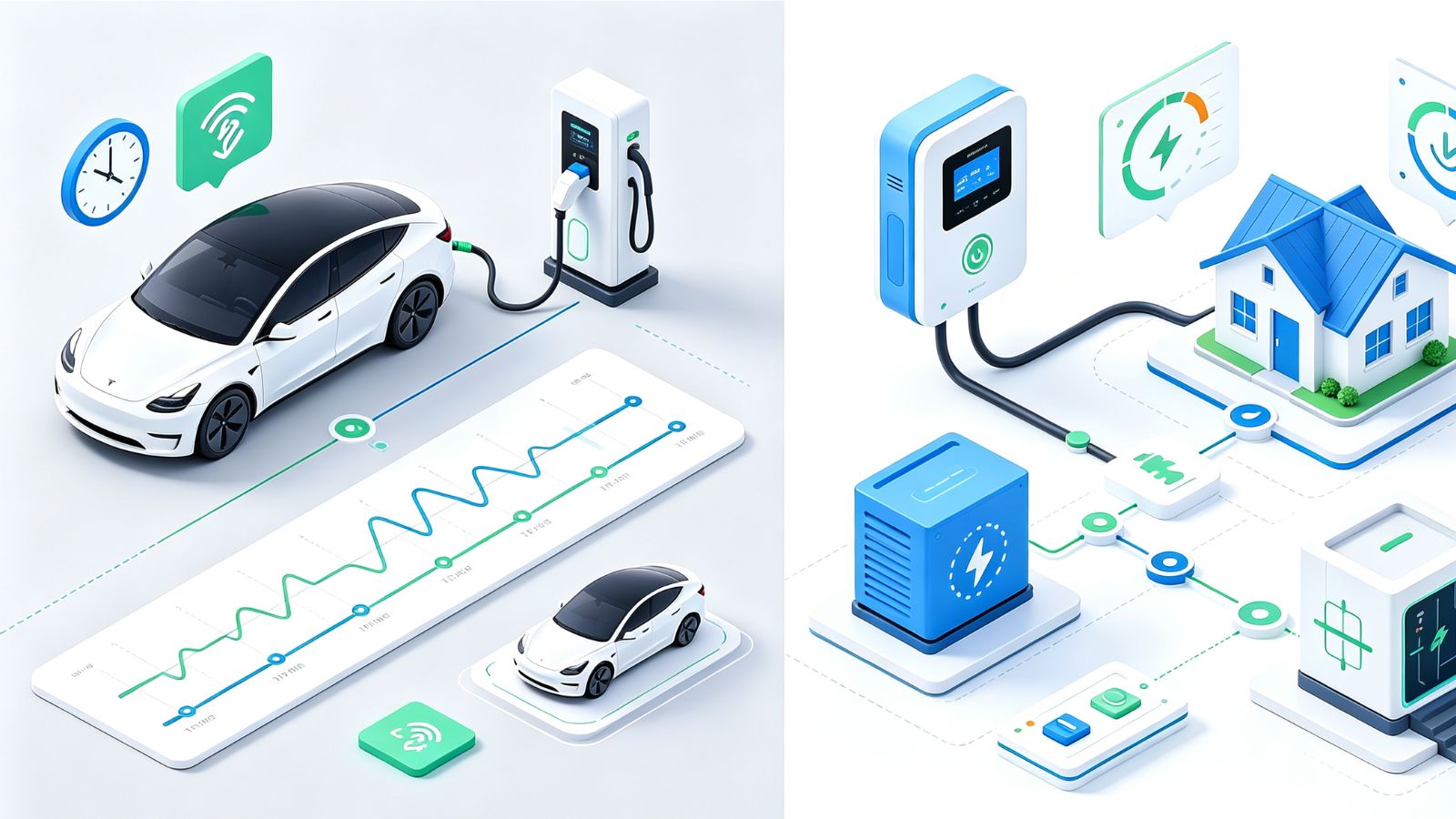
Automatic charging control is not necessary for every EV installation. Its value depends on the property’s electrical setup, vehicle usage patterns, and future changes planned for the home.
It can be especially useful for households with limited electrical capacity, multiple EVs, several major electric appliances, or plans to expand electrification. This consideration often appears during larger home projects, such as garage renovations, electrical system updates, or replacing traditional heating equipment with electric alternatives.
A newer property with predictable driving habits and enough electrical capacity may operate effectively with a standard smart charger. In contrast, an older home with a shared garage charging area, multiple vehicles, or upcoming remodeling work may have stronger reasons to consider automatic load coordination.
The right charging setup depends on the existing home environment, including electrical equipment, driving habits, and planned changes to household energy use. The decision is less about choosing the most advanced equipment and more about selecting technology that addresses an actual need within the property.
One of the main advantages of automated charging controllers is their ability to respond to changing household demand rather than relying only on fixed schedules.
A typical example involves overnight charging. A vehicle may begin charging after a resident returns home. Later, another appliance may operate, increasing overall electricity demand. Without load management, both systems continue according to their individual settings. With automated control, EV charging can be temporarily adjusted until additional capacity becomes available.
The driver usually does not need to make manual changes. The vehicle continues receiving energy, but charging is adjusted around the actual conditions inside the home.
This type of coordination can be valuable in properties where electricity use changes throughout the day or where several large loads compete for available capacity.
Residential EV charging is increasingly connected with other energy decisions. Compatible vehicles, home energy equipment, and utility programs can exchange information to make electricity use more adaptable.
Some managed charging programs supported by utilities and energy organizations encourage flexible charging when residents have room to adjust. These programs aim to maintain vehicle availability while helping coordinate electricity demand more effectively.
For individual households, the practical benefit is straightforward: EV charging should fit naturally into everyday home operation. Solar systems, battery storage, and other energy technologies may become part of the same planning process, but their usefulness depends on compatible equipment and the specific needs of the property.
As homes adopt more electric technologies, charging decisions increasingly connect with other projects, including heating upgrades, appliance replacements, and electrical improvements. Planning these changes together can help avoid conflicts between new and existing household loads.
Automated charging controllers improve coordination, but they cannot overcome physical limitations in a residential electrical system. A controller cannot repair damaged wiring, replace unsuitable equipment, or provide additional capacity where the existing infrastructure cannot support the desired charging setup.
Some properties may require professional evaluation before installing certain charging equipment, especially when older electrical components, remodeling projects, or major changes in energy use are involved. The condition of the electrical system, daily driving requirements, and future household plans all influence which charging approach is appropriate.
Smart charging also works best when the system has reliable information about how the home uses electricity. Residents with unpredictable schedules or frequent urgent charging needs may have fewer opportunities to adjust charging without affecting convenience.
A charging solution that fits the home’s electrical environment today is more likely to remain practical as energy needs change over time. For some properties, basic scheduling is sufficient. For others, automatic load coordination provides a useful way to integrate EV charging with a more complex household electrical system.
