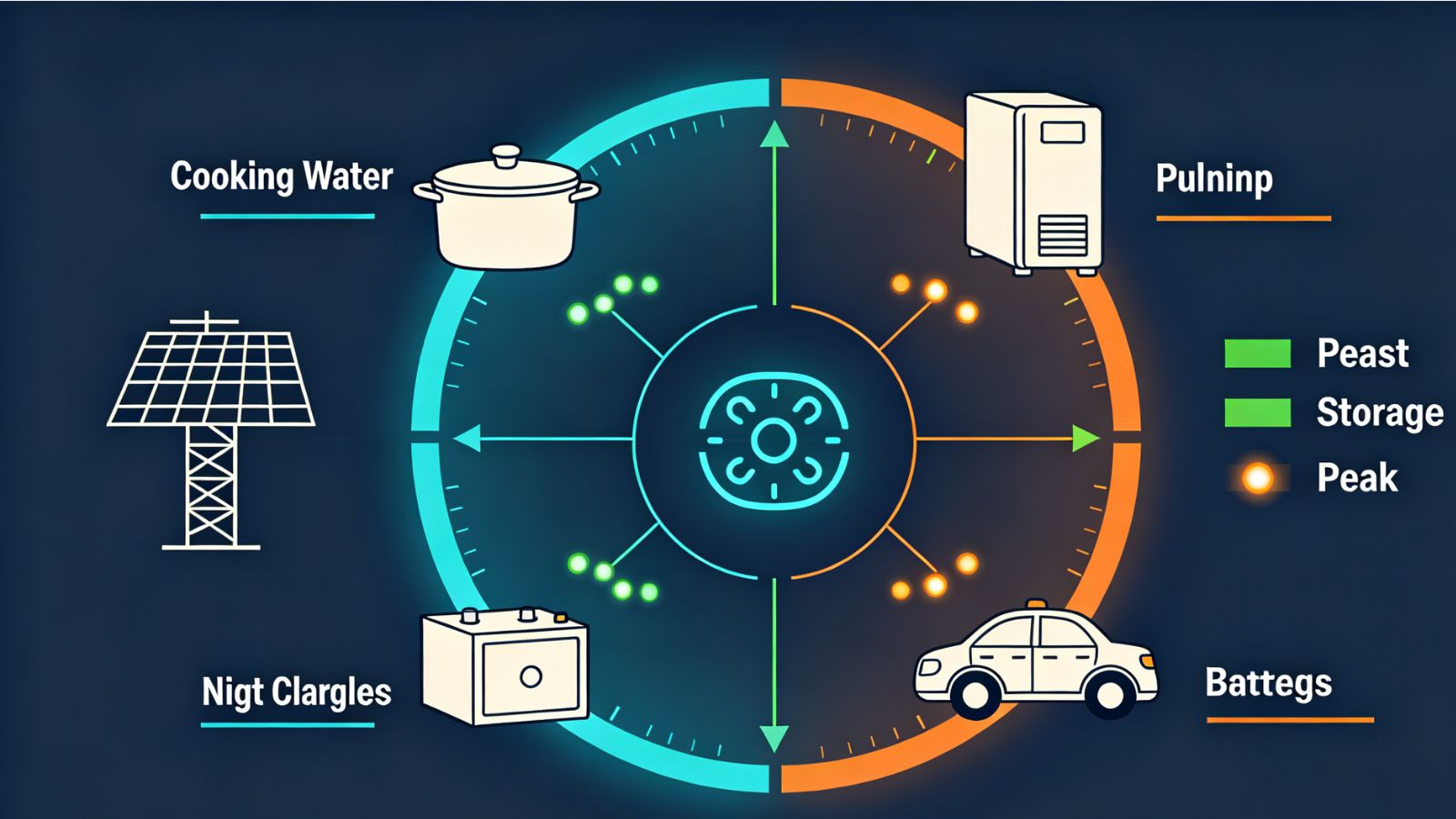
Electrification is changing the way many homes use electricity. A house that once relied mainly on lighting, household appliances, and traditional heating systems may now also support electric vehicles, heat pumps, induction cooking equipment, home energy storage, and other modern technologies. These additions can make daily life more efficient and flexible, but they also create new patterns of electricity use that require homeowners to think differently about how devices operate together.
For many households, the challenge is not simply adding another electric device. The larger question is how different technologies fit into the same home. A property’s electrical service is designed to handle a certain level of usage, and several high-demand devices operating during the same period can place greater demand on the existing setup.
In some situations, expanding the home’s electrical infrastructure may be the right solution. In other cases, improving how existing electricity is managed can provide a practical alternative. Automatic load management systems help address this issue by monitoring household conditions and adjusting selected equipment when needed.
These systems do not increase the physical ability of a home’s electrical service. Instead, they help organize when certain devices operate so modern electric technologies can function within the available resources. As EV chargers, heat pumps, and other electric equipment become more common, understanding load management can help homeowners make better decisions about future changes.
Electricity in a home moves from the utility connection through the service equipment, into individual circuits, and finally to appliances and devices that consume power. In traditional homes, many electrical loads operated independently because fewer major systems were drawing electricity during the same periods.
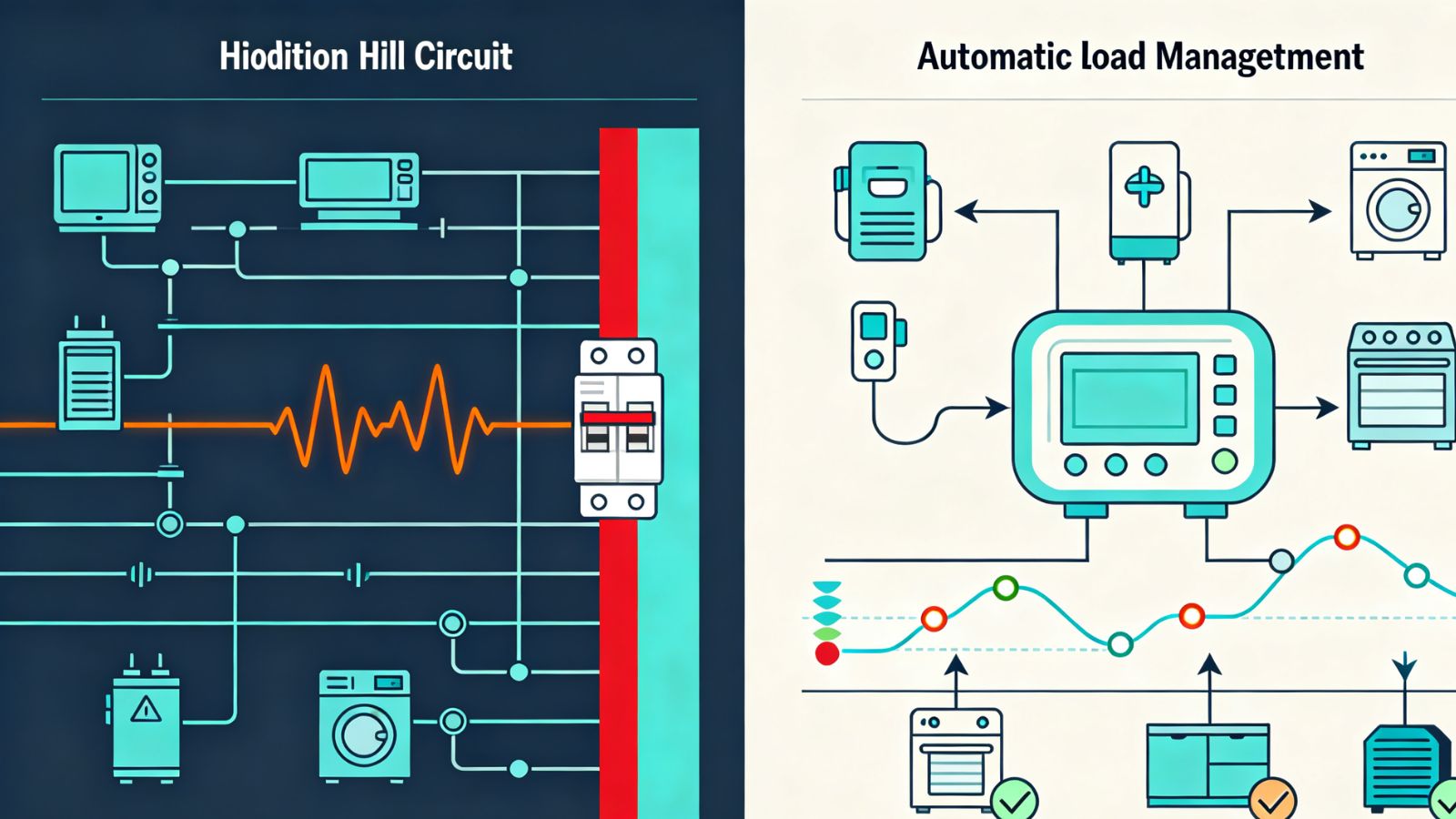
Automatic load management adds a control layer that allows connected devices to respond to changing conditions. A typical setup includes monitoring components that track electricity use, a control unit that processes information, and compatible equipment that can adjust operation when necessary. Some systems focus on individual devices such as EV chargers, while others manage several household loads through broader energy management controls.
An electric vehicle charger is one of the most common examples. If an EV is charging while other major appliances are operating, the system can adjust charging activity to reduce combined demand during that period. When other equipment finishes its cycle or overall electricity use decreases, charging can continue more actively.
The purpose of this technology is not to reduce energy consumption permanently. Instead, it focuses on timing. By shifting when certain devices operate, homeowners can make better use of the electrical resources already available in the home.
Load management also serves a different role from traditional electrical protection devices. A circuit breaker protects wiring and equipment by stopping electricity flow when unsafe conditions occur. A load management system works before that point by helping connected devices avoid creating unnecessary strain on the available service.
This difference matters because load management is not a replacement for proper electrical design. A home with damaged wiring, outdated equipment, or other infrastructure concerns may still require professional electrical improvements before adding new technologies.
The growing adoption of electric vehicles and electric appliances has changed household energy patterns. Many homes now have several devices that may require significant electricity during overlapping periods, especially when heating, cooling, cooking, and vehicle charging happen during the same part of the day.
Electric vehicle charging is one of the clearest examples. Many EV owners prefer charging at home because it fits naturally into daily routines. A vehicle may remain connected overnight while other household systems continue operating, creating a situation where several electrical needs occur together.
A common example is a homeowner adding an EV charger to a garage while already relying on electric heating and other major appliances. During colder months, heating equipment may operate during the same period that the vehicle is charging and other household devices are active. Load management can adjust charging activity so the vehicle receives energy without unnecessarily competing with other household needs.
The location of charging equipment can also affect installation decisions. A charger positioned close to the home’s electrical equipment may involve a different approach from one installed farther away in a detached garage, outdoor parking area, or shared parking location. Wiring routes, physical access, and property layout can all influence the final setup.
Older homes are often part of this discussion because many were built before today’s wider range of electric devices became common. However, the age of a property alone does not determine whether it can support modern equipment. The more important factor is how new technologies fit with the home’s existing electrical design and everyday usage patterns.
Electric vehicle charging is one of the most visible uses for automatic load management, but the same idea applies to other household technologies. Heat pumps, electric cooking appliances, and energy storage equipment can all affect how electricity is used throughout the home.
For homeowners, one advantage is flexibility. Instead of manually watching when different devices are operating, automated controls can make certain adjustments based on current conditions. This can make it easier to add new electric technologies without immediately changing every part of the home.
Smart charging features are one example. Some charging systems can adjust vehicle charging activity based on household electricity use, allowing the vehicle to recharge while reducing conflicts with other electrical needs.
A common misunderstanding is that load management allows a home to add unlimited electrical equipment without considering infrastructure. In reality, these systems help manage available resources more effectively; they do not increase the physical ability of the home to receive or distribute electricity.
A service upgrade solves a different problem. It changes the physical capability of the electrical infrastructure, while load management focuses on deciding when certain connected devices operate. The two approaches address different needs and may sometimes be used together depending on the home’s situation.
Compatibility is another consideration. Different systems support different devices, and not every appliance can automatically respond to load management controls. Homeowners need to understand how the equipment connects with existing technology and whether it matches normal household routines.
The right choice depends on practical details such as where the vehicle is parked, which appliances are already in use, and how residents normally consume electricity throughout the day. A household adding one EV may have very different needs from a home introducing several electric technologies at the same time.
As homes become more dependent on electric technologies, managing when equipment operates is becoming an important part of residential energy use. Automatic load management systems provide one way for homeowners to add new devices while keeping daily electricity use organized.
For many households, the value of load management is not about adding another piece of technology to the house. It is about helping EV chargers, appliances, and other electric systems operate in a way that matches everyday life.
The best solution depends on the relationship between the vehicle, the home’s electrical layout, existing appliances, and daily routines. When these factors are considered together, homeowners can create a more flexible electric home without treating every new technology as a separate challenge.