Most electric vehicles spend their time doing one main job: storing electricity for driving. Bidirectional charging changes that relationship by allowing certain EVs to share stored energy with a home electrical system.
A bidirectional EV charger creates a two-way connection between an electric vehicle battery and a residential energy system. Electricity can move from the grid into the vehicle during charging, and under suitable conditions, energy stored in the battery can move back to the home.
This technology is often discussed through two applications: vehicle-to-home (V2H), which focuses on supplying electricity to a residence, and vehicle-to-grid (V2G), which connects EV batteries with the broader electrical system. While the concept sounds simple, making it work requires compatible vehicles, specialized equipment, communication between devices, and careful electrical management.
For homeowners, the important question is not only whether an EV can store energy. It is whether using a vehicle battery as part of a home energy system fits their daily habits, electrical setup, and energy needs.
Traditional EV charging is designed around a one-way process. Electricity moves from the grid or home electrical system into the vehicle battery, where it is stored for transportation. Most standard chargers are built only for this purpose.
A common misunderstanding is that an EV charger should be able to send electricity back simply because it can already deliver electricity to the vehicle. In reality, charging a battery and releasing stored energy back into a home require different functions.
A bidirectional charging system needs additional power conversion equipment and control technology. The system must manage energy leaving the vehicle, maintain safe operating conditions, and coordinate with the home electrical system.
This is why bidirectional charging is not a simple charging cable upgrade. A compatible vehicle, a bidirectional charger, and a properly configured home connection are all required. Without these components working together, an EV cannot safely supply electricity to household circuits.
The concept also changes how people think about EV batteries. Instead of being used only for transportation, a compatible vehicle battery can become a temporary energy storage resource. However, the vehicle’s main purpose remains transportation, which means energy use must be balanced with driving needs.
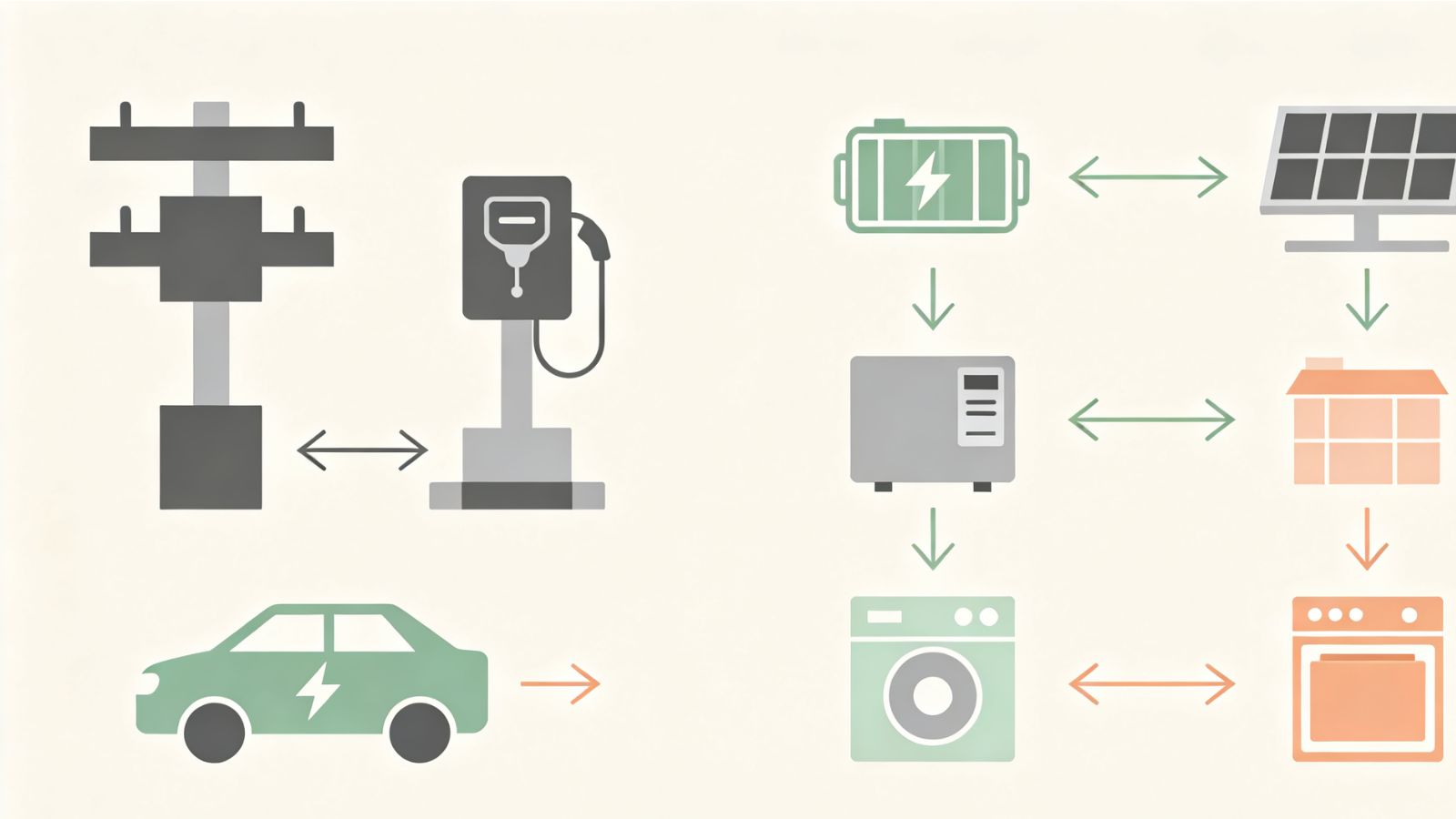
The main challenge behind bidirectional charging is controlling electricity as it moves between two different systems: the vehicle battery and the home electrical network.
When an EV charges normally, electricity enters the vehicle and is stored in the battery. When the vehicle provides power to the home, the energy flow is reversed. The charging equipment manages this process by converting and regulating electricity so that household devices receive stable power.
A complete system includes several connected elements:
A vehicle designed to support bidirectional energy transfer
A charging unit capable of handling two-way electricity flow
A connection to the home electrical system
Software that manages charging, energy use, and safety conditions
The control system plays an important role because energy transfer cannot happen without coordination. It monitors factors such as battery condition, household demand, and operating limits before allowing electricity to move.
Safety is also a major consideration. During a power outage, a properly installed system must separate the home from the utility grid before supplying electricity from the vehicle. This prevents power from flowing into external lines and protects utility workers who may be repairing the electrical network.
For this reason, bidirectional charging should be viewed as part of a complete home energy system rather than a feature that works through a simple connection between a car and a wall outlet.
The most practical benefit of bidirectional charging is giving homeowners another option for managing electricity.
One common example is backup power during an outage. A compatible EV can potentially provide electricity to selected household circuits, helping support important equipment when the grid is unavailable. This does not mean every EV can replace a traditional backup solution, but it can provide additional flexibility for households that need temporary power.
Another possible use is energy management. In areas where electricity costs vary throughout the day, a bidirectional system may allow homeowners to store energy at one time and use some of it later. The goal is not guaranteed savings, because the value depends on local electricity conditions, equipment, and personal usage patterns.
Homes with solar panels may also find the technology useful. Instead of using solar energy only when it is produced, a household could potentially store some energy in an EV battery and use it later when electricity demand increases.
For example, a homeowner with solar panels may charge an EV during the day while renewable energy is available, then use stored energy in the evening when household activities increase. However, this approach requires planning because the same battery is also needed for driving.
The best use case depends on the household. A family that experiences frequent outages or already manages home energy carefully may see more value than someone who mainly needs an EV for transportation and rarely requires backup power.
Choosing a bidirectional charging system requires more than selecting a compatible vehicle. Homeowners need to consider how the technology fits their property and lifestyle.
Vehicle compatibility is the first factor. Not every EV supports energy transfer back to a home, and not every charger can communicate with every vehicle. The entire system must be designed to work together.
The home electrical system is another important consideration. Installation requirements depend on the existing setup, available equipment, and local electrical conditions. A professional installation is necessary because the system must manage energy flow safely and operate correctly during normal use and power outages.
Daily driving habits also matter. A homeowner who depends on an EV for commuting may not want to use a large portion of the battery for household electricity. Someone with multiple vehicles or flexible transportation needs may find it easier to use one EV as an energy resource.
Energy goals should also influence the decision. A household focused on backup power, renewable energy use, or greater control over electricity consumption may find bidirectional charging more valuable than a household with fewer energy concerns.
The technology also involves practical trade-offs. A dedicated home battery stays in place and is always available, while an EV battery moves with the vehicle. The choice depends on whether a homeowner values mobility, energy flexibility, or a combination of both.
Using an EV battery for household electricity naturally raises concerns about long-term battery condition.
Battery aging depends on many factors, including charging habits, temperature management, battery design, and how frequently energy moves in and out of the battery. Using an EV occasionally for backup power is different from relying on it as a permanent household energy source.
Modern systems are designed with controls that help manage battery operation and reduce unnecessary stress. However, owners still need to consider how additional energy use fits into their overall vehicle ownership.
The technology also has practical limitations. Bidirectional charging is not available across all EV models, and installation can require specialized equipment. Differences in vehicle support, charger compatibility, and electrical requirements continue to affect adoption.
Another limitation is convenience. A vehicle connected to a home energy system may not always be available at the exact moment a driver needs to leave. Homeowners must balance energy storage goals with transportation needs.
These factors do not make bidirectional charging impractical, but they show why the technology is best considered as part of a broader energy strategy rather than a universal replacement for other solutions.
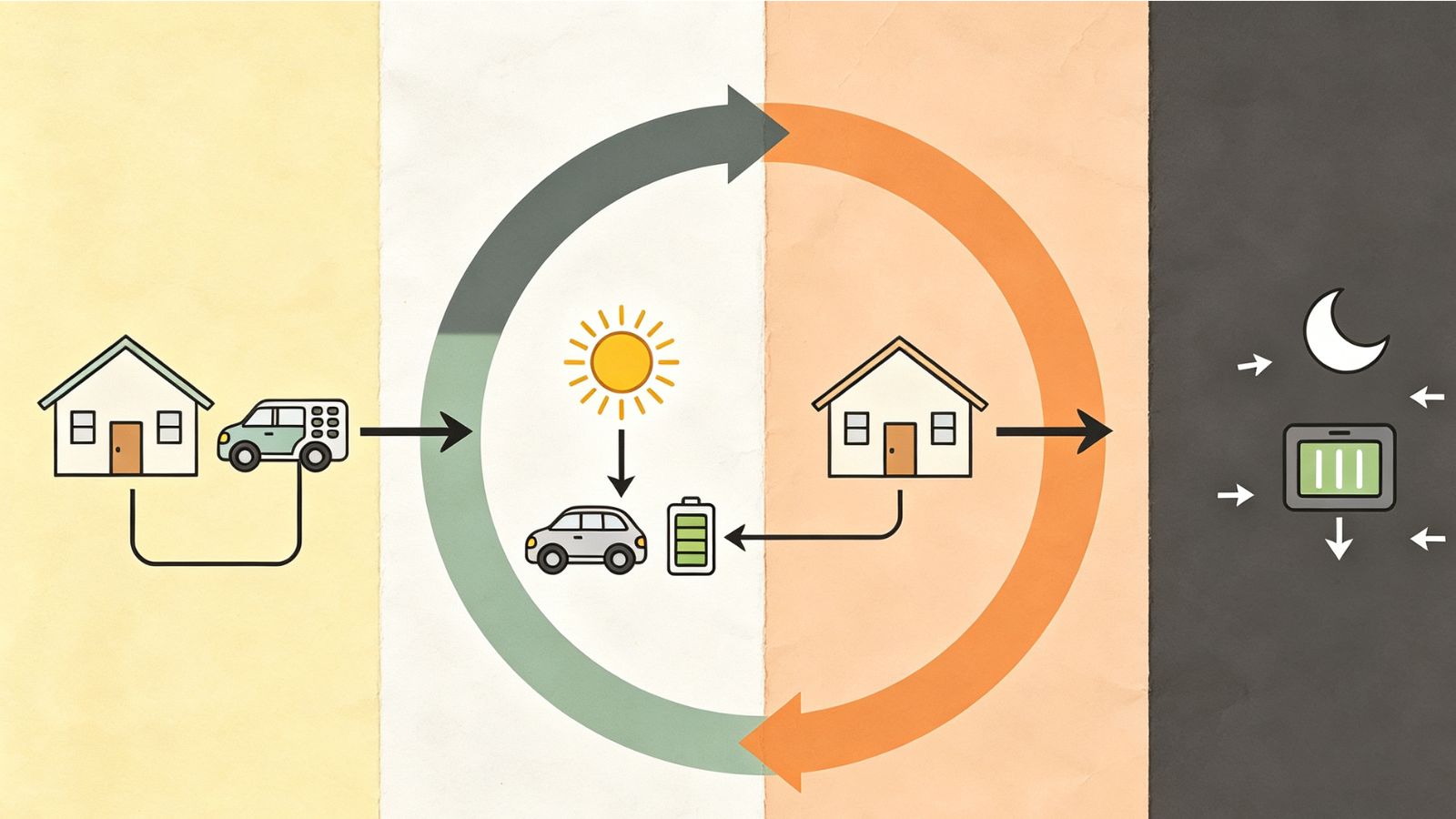
Bidirectional charging represents a broader shift in how electric vehicles interact with energy systems.
An EV has traditionally been viewed as an electricity consumer: energy enters the battery, and the vehicle uses that energy for transportation. With bidirectional technology, compatible vehicles can also participate in household energy management.
The technology does not mean every EV will become a home power source. Its usefulness depends on vehicle capability, installation conditions, energy habits, and transportation needs.
For some homeowners, a bidirectional charger may provide additional backup capability and energy flexibility. For others, a traditional charging system may remain the better choice.
As electric vehicles become more connected with residential energy systems, bidirectional charging may become one more option for managing electricity. Its long-term value will depend on how well the technology fits into everyday life rather than simply what it can do in theory.
