Residential electrical systems are being asked to support more demanding equipment than in previous generations. Homes that once used electricity mainly for lighting, appliances, and basic electronics are now increasingly adding electric vehicle chargers, heat pumps, induction cooking systems, electric water heaters, and home energy storage equipment.
This shift does not mean every home needs a major electrical upgrade. The actual impact depends on the existing electrical infrastructure, the type of equipment being installed, and how different systems may operate together. A home designed decades ago may have been perfectly suitable for its original purpose while still requiring careful evaluation when new electric technologies are added.
Many older properties were built when natural gas was commonly used for heating, water heating, and cooking. Their electrical systems were typically designed around a smaller range of electrical demands. As homeowners replace fuel-powered systems with electric alternatives, the question becomes whether the existing service, wiring, and protective equipment can support the new pattern of electricity use.
Understanding how high-power appliances affect residential electrical load requirements helps homeowners plan upgrades more effectively, avoid unnecessary work, and make informed decisions before installing major electrical equipment.
Electrical load describes the amount of power a building’s electrical system is expected to supply during normal operation. Power is measured in watts or kilowatts, while electrical current is measured in amperes. The relationship between these measurements is commonly expressed as:
Power (watts) = Voltage × Current (amps)
Most homes in the United States use 120-volt circuits for general lighting and household outlets, while larger appliances commonly use 240-volt circuits. High-power equipment often requires dedicated circuits because these devices operate differently from smaller household electronics and may draw substantial current while running.
A home’s electrical service rating indicates how much current the service equipment is designed to provide. However, available capacity is not determined only by the rating of the electrical panel or the number of unused breaker spaces.
One of the most common misunderstandings is assuming that an empty breaker slot means the home automatically has enough capacity for another major appliance. The panel is only one part of the electrical system. Service conductors, utility connections, protective devices, existing loads, and expected appliance operation all influence whether additional equipment can be supported.
Electrical load evaluations consider how equipment is likely to operate rather than simply adding together every appliance rating in the home. Some devices operate briefly, while others may create longer periods of demand. Understanding these patterns provides a more accurate picture of how the system will perform.
The National Electrical Code (NEC), published by the National Fire Protection Association, provides methods for calculating residential electrical loads and determining appropriate equipment sizing. Because local jurisdictions may adopt different versions or amendments, electrical requirements can vary depending on location.
The move toward electrification changes the way homes consume electricity. Adding one high-power appliance may have little impact in some properties, while adding several systems together can create a much different situation.
Homes that are more likely to require careful electrical evaluation often include older properties, homes replacing gas-powered systems with electric alternatives, houses adding multiple major appliances at the same time, and properties with limited existing electrical capacity.
The important factor is not simply whether a single appliance uses electricity. The larger issue is whether multiple systems may operate during the same period and whether the existing infrastructure was designed for that level of demand.
A home built many years ago may have successfully supported its original appliances for decades. However, adding electric vehicle charging, electric heating, and electric cooking can gradually change the overall electrical profile of the property. Planning ahead helps homeowners avoid discovering limitations after installation decisions have already been made.
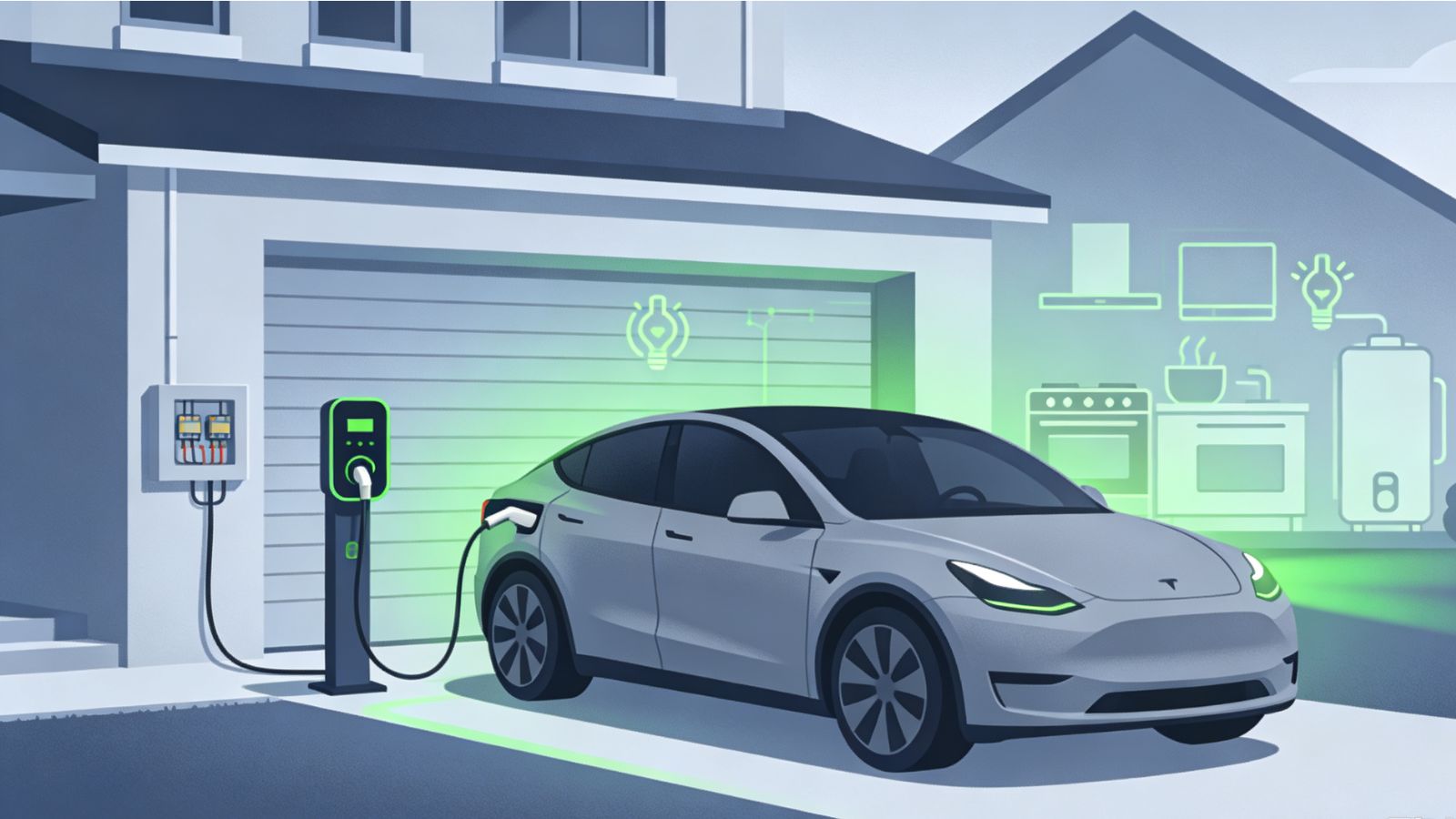
Home electric vehicle charging is one of the most common reasons homeowners review their electrical capacity. Level 2 chargers typically operate through 240-volt circuits and must be installed according to equipment requirements and applicable electrical regulations.
Unlike many household appliances that run for short periods, EV charging can create extended electrical demand. Because charging may continue for a significant portion of the day or night, it becomes an important part of the overall electrical load evaluation.
Older homes provide a useful example of why planning matters. A property originally designed around gasoline-powered transportation and gas-based heating systems may have had limited electrical demand beyond normal household use. Adding an EV charger may be manageable, but combining it with electric heating, electric water heating, or other high-demand equipment requires a broader review.
The appropriate solution depends on the home. Some properties may benefit from additional electrical capacity, while others may support new equipment through careful planning, improved energy management, or adjustments to how certain systems operate.
Heat pumps are becoming more common in residential heating and cooling because they transfer heat instead of relying on traditional fuel combustion. Their effect on electrical demand depends on system design, home characteristics, climate conditions, and whether additional electric heating is used.
A transition from gas heating to a fully electric heating system can significantly change a home’s electricity requirements. However, installing a heat pump does not automatically mean that a service upgrade is necessary. The existing electrical system should be evaluated based on the specific equipment being installed and the conditions in which it will operate.
Cold-weather operation can require additional consideration because some systems may rely on supplemental electric heating during periods of increased demand. Proper equipment selection and electrical planning help ensure that heating systems perform effectively without placing unnecessary stress on the home’s infrastructure.
For homeowners converting from traditional heating systems, evaluating electrical capacity before installation can provide a clearer understanding of whether modifications are needed.
Changes in water heating and cooking systems can also influence residential electrical requirements. Traditional electric resistance water heaters use heating elements that draw significant power during operation. Heat pump water heaters generally use electricity differently by transferring heat from surrounding air, but they still require appropriate circuit planning.
Kitchen upgrades can introduce similar considerations. Induction cooktops and electric ovens often require dedicated circuits because they operate at higher power levels than many smaller kitchen appliances.
When several parts of a home are electrified together, evaluating each appliance separately may not provide a complete picture. The interaction between different systems matters because household equipment may operate at overlapping times.
A homeowner replacing a single appliance may have a very different electrical planning situation from someone upgrading heating, transportation, cooking, and water heating systems as part of a broader transition.
When additional electrical capacity is needed, several parts of the system may require review. The electrical panel, service conductors, meter equipment, and main disconnect all contribute to the home’s overall capability.
Replacing or enlarging a panel does not automatically increase the amount of electricity available to the property. A new panel may provide more physical space for circuits, but the overall service capacity may still limit how much additional equipment can be supported.
At the same time, a service upgrade is not always required when adding high-power appliances. Modern equipment may replace older systems while keeping demand within acceptable limits. The correct approach is to evaluate the complete electrical system rather than assuming that every new technology requires major infrastructure changes.
A licensed electrician familiar with local electrical codes and the specific characteristics of the home can review existing conditions, planned equipment, and expected usage patterns to determine whether additional capacity, load management, or other modifications are appropriate.
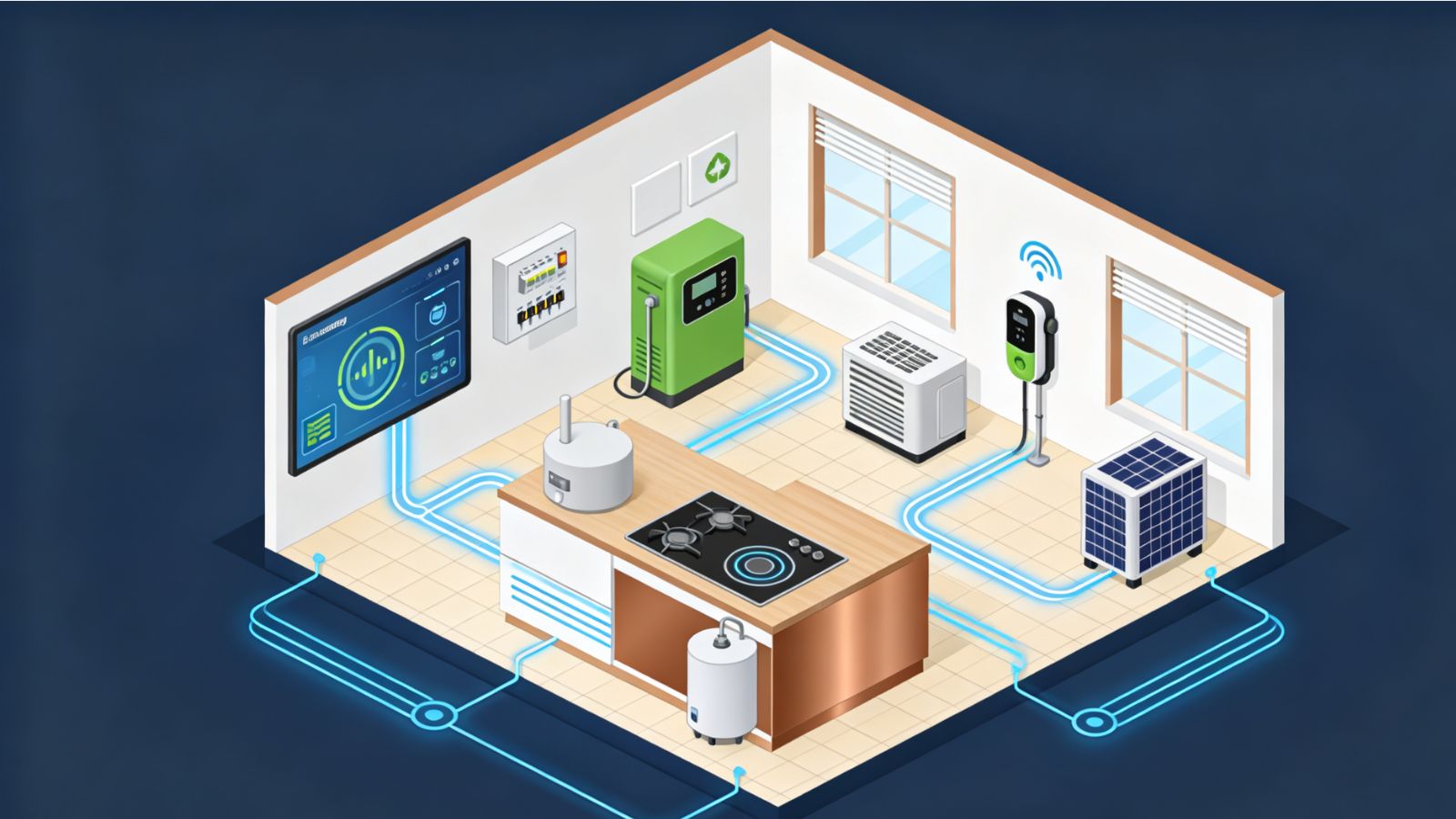
Load management offers another approach for homeowners adding more electric equipment. Instead of immediately increasing electrical service capacity, these systems help coordinate how electricity is used throughout the home.
For example, energy management technology may adjust EV charging activity when other major appliances are operating. Smart electrical panels can monitor usage patterns and help manage situations where several high-demand devices operate at the same time.
Load management is not a replacement for proper electrical evaluation, but it can help some homes use existing capacity more effectively. As residential electrification continues, managing demand becomes an increasingly important part of electrical planning.
A common misconception is that higher voltage automatically means higher electricity consumption. Voltage is only one part of electrical demand. Actual energy use depends on the appliance’s power requirements and how long it operates.
Another misunderstanding is that every home moving toward electrification requires a complete electrical upgrade. In reality, requirements vary based on the existing system, appliance choices, operating patterns, and local regulations.
Homeowners should also remember that a modern electrical panel does not necessarily indicate unlimited capacity. The entire system must be considered, including the service connection, existing loads, and future plans.
Before installing major electric appliances, homeowners should consider both current requirements and future changes. A household adding an EV charger today may later add heat pumps, electric cooking equipment, or energy storage, and those decisions can affect future electrical planning.
A proper evaluation typically considers the existing service capacity, current major appliances, planned additions, local electrical requirements, and how different systems may operate together.
Professional evaluation does not always lead to larger upgrades. In many cases, understanding actual demand allows homeowners to choose targeted improvements instead of making unnecessary changes.
Residential electrical systems are evolving as homes adopt more electric technologies. The challenge is not simply increasing capacity but understanding how electricity is used and making improvements that match actual household needs.
High-power appliances can support greater efficiency, convenience, and energy flexibility, but they also change the way a home interacts with its electrical infrastructure. Careful evaluation before installation helps ensure that residential systems remain safe, reliable, and prepared for future changes.
For many homeowners, the best approach is not assuming that an upgrade is required or unnecessary. Instead, the right decision comes from understanding the existing system, evaluating new demands, and choosing solutions that fit the specific home.
