For many electric vehicle owners, home charging feels simple: connect the vehicle, leave it parked, and return later with additional energy available. Behind that everyday action, however, several layers of technology must coordinate. The connector design creates the physical link, charging standards define how power can be delivered, vehicle electronics manage energy flow, and communication protocols allow the vehicle and charging equipment to exchange information during the process.
Terms such as J1772, CCS, and NACS are often mentioned together, but they represent different parts of the EV charging ecosystem. Some describe the physical connection between a vehicle and charging equipment, while others represent broader approaches that support different charging methods. Communication protocols add another layer by allowing vehicles, chargers, and energy management equipment to share information about charging conditions and available capabilities.
Understanding these differences helps homeowners make better decisions when selecting charging equipment, comparing EV models, or considering how an electric vehicle fits into long-term household energy use. A connector alone does not determine the entire charging experience. The vehicle, charging equipment, and home setup all influence how practical a charging solution becomes in everyday use.
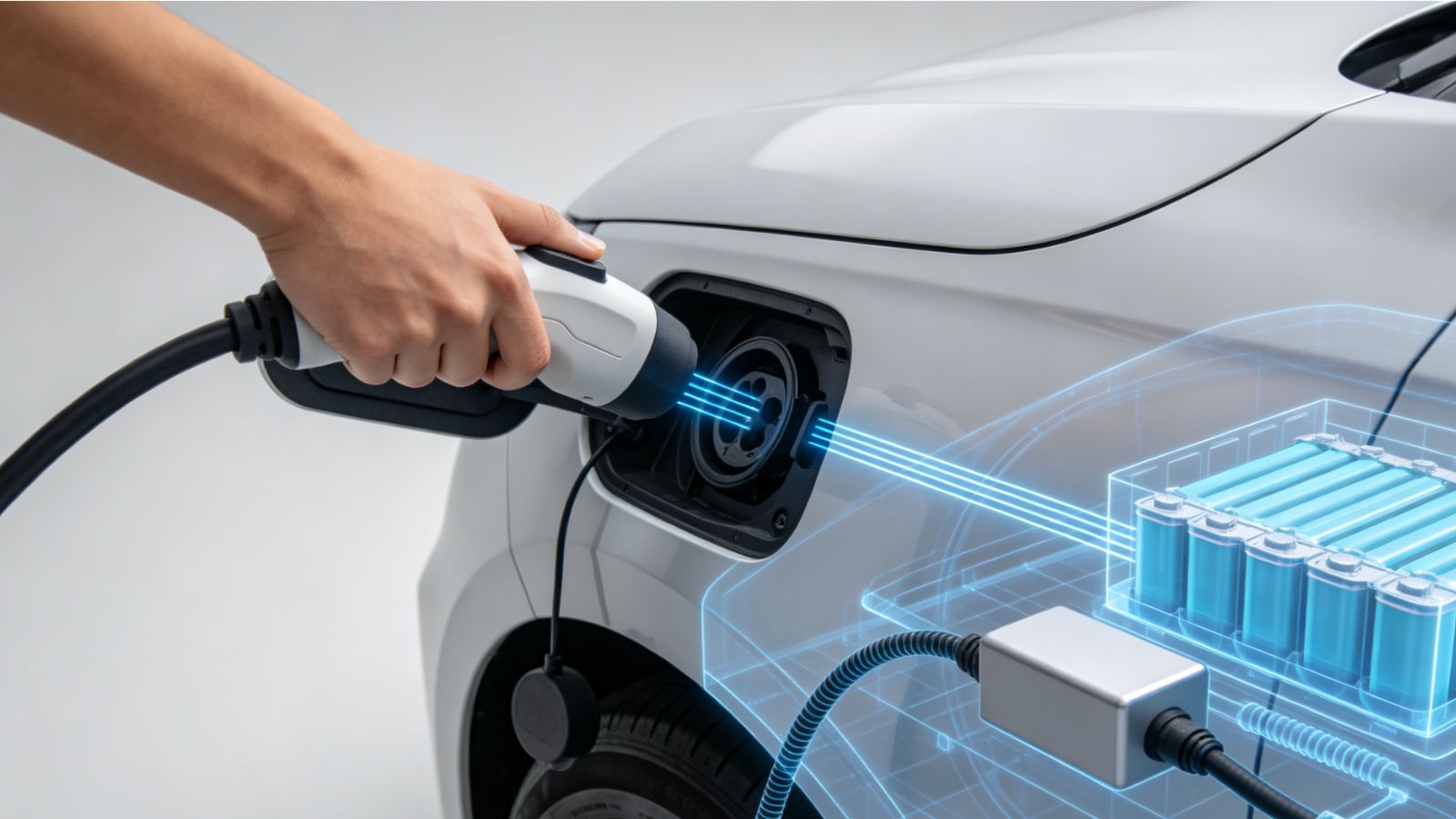
The first step in residential EV charging is creating a physical connection between the vehicle and the charging equipment. This is where connector standards become important. A connector provides the pathway for electricity and communication, but it does not independently determine charging speed, battery capability, or the complete charging experience.
In North America, the J1772 connector has traditionally been associated with AC charging for many electric vehicles. It became widely used for residential and workplace charging because it provided a common connection method between EVs and charging equipment.
A J1772 connection allows electricity from the home to reach the vehicle, but the process involves several components working together. Electricity supplied from the home reaches the EVSE, which manages the connection and communicates with the vehicle. Inside the vehicle, the onboard charger converts alternating current (AC) electricity into direct current (DC) energy that can be stored in the battery.
The connector itself does not force every vehicle to charge at the same rate. Actual charging performance depends on several factors, including the vehicle’s onboard charging capability, the available electrical supply, and the features supported by the charging equipment. Two vehicles using similar home charging equipment may therefore have different charging experiences.
This distinction matters because homeowners sometimes assume that a specific connector automatically determines charging performance. In reality, the connector establishes compatibility, while the vehicle hardware and charging setup determine how electricity is managed and how quickly energy can be added.
As EV technology developed, charging standards expanded to support different power delivery methods and additional capabilities. The Combined Charging System (CCS) was created to build on existing AC charging connections while adding support for DC fast charging.
CCS combines the AC charging connection with additional contacts that allow compatible charging equipment to deliver DC power directly to the vehicle battery. This differs from typical residential AC charging, where the vehicle’s onboard charger converts electricity before it reaches the battery. With DC fast charging, much of that conversion process happens within the external charging equipment.
CCS became widely used among many automakers and public charging providers, especially for fast-charging applications. However, the charging landscape in North America has continued to evolve. The North American Charging Standard (NACS), originally developed by Tesla, has gained broader attention as more manufacturers consider or adopt the connector design for future vehicles.
NACS supports both AC and DC charging through a single connector format. For EV owners, this change has created new questions about compatibility, adapters, charging equipment choices, and long-term vehicle ownership decisions.
For most homeowners, CCS differences are more noticeable when using public fast chargers rather than choosing a basic residential charging setup. At home, the main concerns are usually connector compatibility, charging equipment support, and how the vehicle fits the household routine. This is why connector discussions often create more confusion for EV buyers than for existing homeowners. Many residential charging decisions are based less on fast-charging capability and more on whether the vehicle and home equipment are compatible for daily use.
A homeowner who installed a J1772-compatible charger years ago may later purchase a vehicle using a different connector standard. In that situation, the charging question is no longer only about power delivery but also about compatibility and future flexibility. The physical connection, vehicle support, and available charging features all become part of the decision.
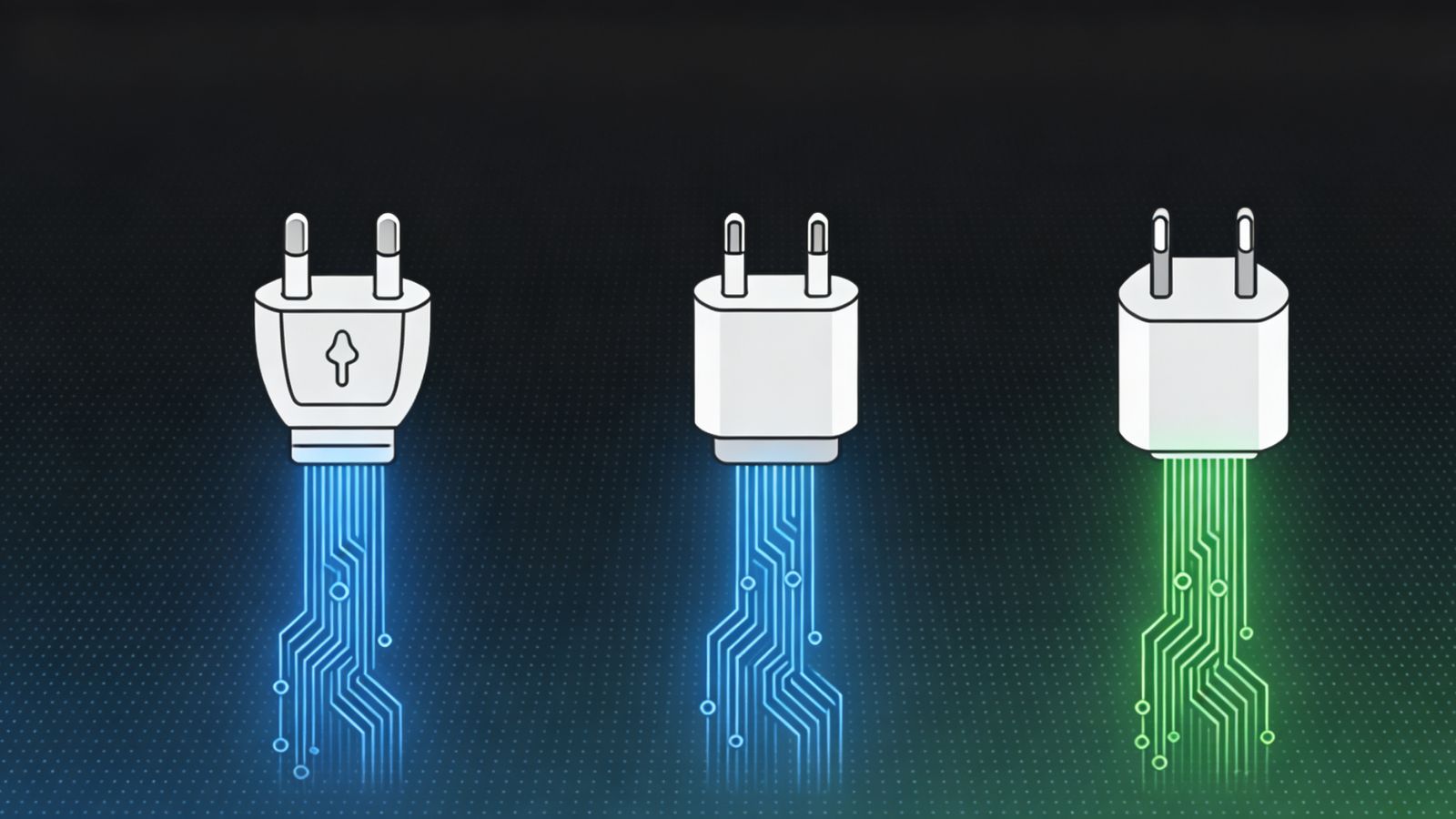
Electric vehicle charging is not simply a process of sending electricity through a cable. Before and during charging, the vehicle and charging equipment exchange information to coordinate how energy is delivered and managed.
The EVSE helps control the connection between the home and the vehicle by confirming that a compatible connection exists, communicating operating conditions, and supporting the charging process. The charger does not simply send electricity continuously after being plugged in. Instead, the vehicle and charging equipment work together to determine whether charging should begin, continue, adjust, or stop.
In a home setting, this communication helps the charger understand important information such as whether the vehicle is properly connected, how much power the vehicle can accept, and whether charging conditions remain appropriate. These exchanges allow charging equipment to respond to the vehicle’s requirements rather than operating as a simple power source.
Advanced communication standards, including ISO 15118, are designed to support more detailed interaction between EVs and charging equipment. Depending on vehicle support, charger capability, and manufacturer implementation, these technologies can provide functions beyond basic charging coordination.
These communication standards may become more relevant as homes adopt smarter energy management tools that coordinate EV charging with other electrical equipment, especially when multiple electric technologies operate within the same household. Smart chargers can interact with household energy management equipment to adjust charging activity based on electricity use patterns, helping integrate EV charging into normal residential routines.
Choosing home EV charging equipment involves more than matching a connector to a vehicle. The physical location of the charger, the way the vehicle is used, and the existing electrical layout of the property all influence the practical setup.
A charger installed near the home’s electrical panel may involve different installation considerations from one placed farther away in a detached garage or outdoor parking area. Cable routing, weather exposure, parking access, and whether the space is private or shared can affect how charging equipment is installed and used.
Connector compatibility becomes especially important for households with multiple vehicles. A family with different EV brands may need to consider whether one charging setup can serve all vehicles or whether adapters and different charging options are more suitable.
The vehicle itself remains one of the most important factors. A charger may support a specific connector or communication capability, but the vehicle’s internal hardware determines which functions are actually available. Advanced charging features provide limited value if the vehicle cannot use them.
This is why homeowners should look beyond the connector name printed on charging equipment. A practical charging setup depends on how the vehicle is used, where equipment can be installed, and what the home can realistically support.
Residential EV charging is becoming more connected with the broader way homes consume electricity. As homeowners add EVs alongside heat pumps, electric cooking appliances, and other electrical equipment, charging decisions become part of overall household energy use rather than an isolated vehicle-related choice.
Future charging setups are expected to place greater emphasis on communication between vehicles, charging equipment, and home energy management technologies. Features such as improved scheduling, smarter load management, and vehicle-grid interaction require reliable communication between different parts of the charging environment.
However, the basic purpose of home charging remains unchanged: creating a safe and effective connection between a residence and an electric vehicle. Whether a vehicle uses J1772, CCS, NACS, or another supported approach, successful charging depends on cooperation between the connector, vehicle electronics, communication features, and residential infrastructure.
For most homeowners, the more useful questions are how often the vehicle is driven, where it is parked, how the home already uses electricity, and whether the charging setup can support future changes. The best charging choice is usually the one that fits everyday use while remaining practical as transportation and household energy needs evolve.
