Many EV owners now begin and end their daily driving with a charging connection at home. A garage, driveway, or designated parking space has become part of the vehicle’s everyday energy routine, allowing electricity from the residential grid to move directly into the battery while the vehicle is parked.
Home charging has changed the relationship between transportation and residential electricity use. An electric vehicle is no longer powered only by energy purchased away from home; instead, the vehicle becomes connected to the same electrical environment that supports lighting, appliances, heating systems, and other household needs.
Two charging methods are commonly used in residential settings: Level 1 and Level 2 charging systems. Both deliver electricity from a home to an electric vehicle, but they serve different situations. The differences involve how power reaches the vehicle, how quickly energy is transferred, and how the charging setup fits into the household’s existing electrical environment.
For some drivers, a simple connection to a household outlet may be enough because the vehicle is parked for long periods and daily travel is limited. Other households may need faster charging because of longer commutes, multiple vehicles, or changing schedules. Understanding how these systems work helps homeowners choose equipment based on real needs rather than simply selecting the highest-powered option available.
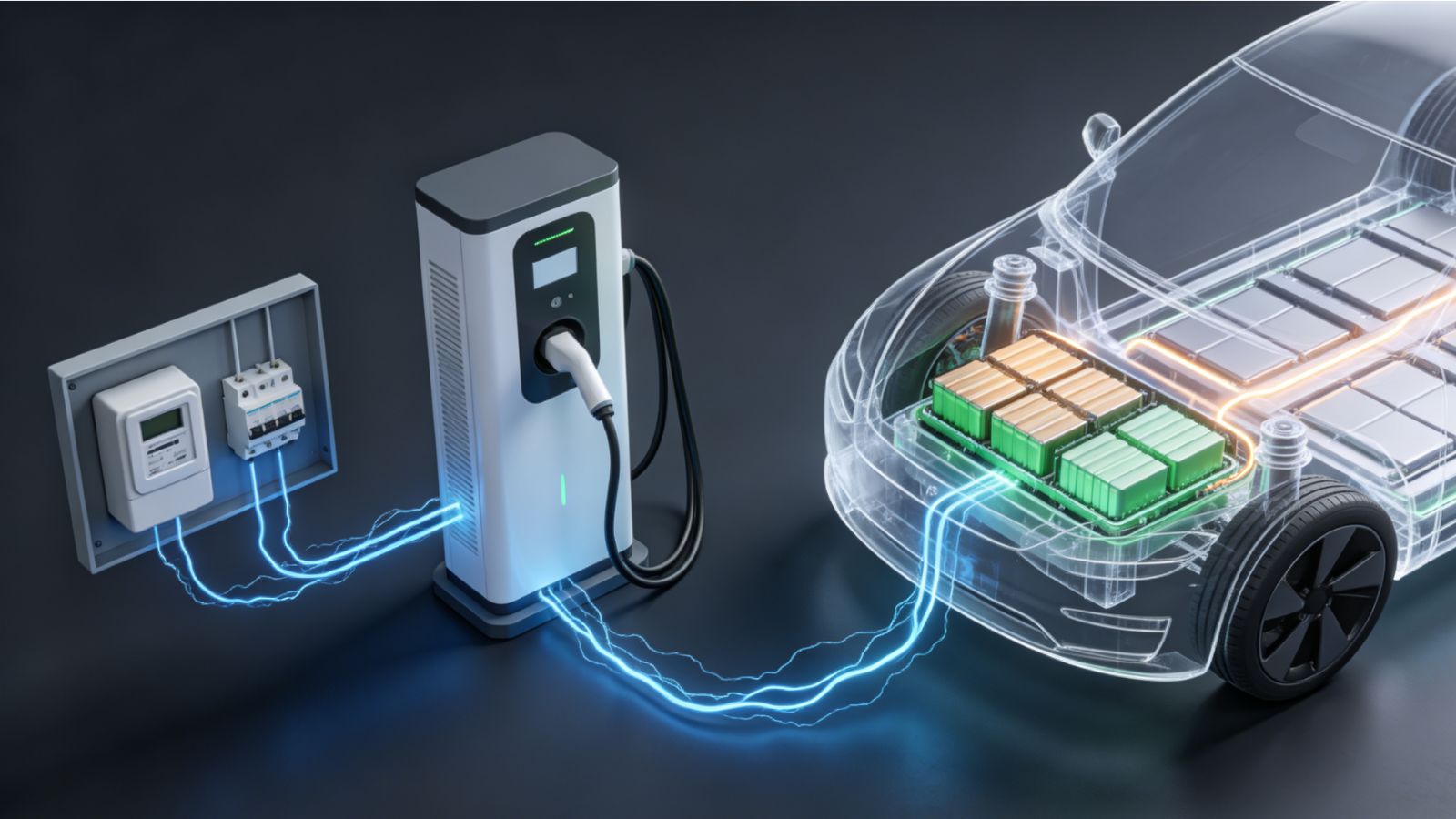
Residential EV charging involves a connected path that begins with the home’s electrical supply and ends with energy stored inside the vehicle’s battery. Electricity moves from the household electrical system to the EVSE, which manages the connection and communication between the home and the vehicle, before the vehicle’s onboard charger converts the incoming AC power into a form that the battery can store.
Most residential charging systems use alternating current (AC) electricity from the home. Inside the vehicle, the onboard charger converts that AC power into direct current (DC), which the battery can store. The equipment installed between the home and the vehicle is commonly known as electric vehicle supply equipment (EVSE).
EVSE is often misunderstood as the part that directly charges the battery. In reality, its role is to manage the connection between the vehicle and the electrical source, communicate with the vehicle, monitor operating conditions, and control the delivery of electricity. The conversion process required for battery storage takes place inside the vehicle’s onboard charger rather than inside the charging cable or wall-mounted equipment.
Charging performance depends on the relationship between the vehicle and the charging equipment. A charging unit may be capable of providing more power than the vehicle can accept, meaning the vehicle’s internal charging capability determines how quickly energy is stored. Battery temperature, software settings, and battery management systems can also influence charging behavior.
Because of this interaction, the most powerful available charging equipment is not always the most practical choice. A charging setup usually works best when it matches the vehicle’s charging capability, the property’s electrical layout, and the household’s daily driving routine.
Level 1 charging is the simplest residential EV charging method because it uses a standard household outlet. Its main advantage is accessibility. Many homeowners can begin charging without installing additional equipment or making significant changes to their property.
This approach can work well for households with predictable driving habits. A person who uses an EV mainly for local errands, shorter commuting distances, or occasional trips may find that charging while the vehicle is parked overnight fits naturally into daily life.
Level 1 can also be useful in situations where installation options are limited. Renters, residents with shared parking arrangements, or homeowners who prefer to avoid electrical modifications may find a slower charging method practical if their driving needs are moderate.
The limitation is that energy is added more gradually compared with Level 2 charging. A household with multiple EVs, longer daily travel, or frequent schedule changes may need more flexibility than Level 1 can provide.
Level 2 charging addresses this need by using a higher-capacity electrical connection. It is commonly installed through a dedicated circuit designed for the charging equipment, but the practicality of installation depends on more than the charger itself. The location of the parking area, the distance between the vehicle and the home’s electrical equipment, outdoor installation conditions, and whether the parking space is private or shared can all influence how easily a Level 2 system can be added. A charger located close to the electrical panel may present different installation considerations from one placed farther away in a detached garage or outdoor parking area.
The main benefit of Level 2 charging is flexibility. It allows vehicles to receive energy more quickly during the same parking period, which can be valuable for families with more demanding transportation routines or less time available between trips.
A common misunderstanding is that installing Level 2 charging automatically requires a major electrical upgrade. In reality, the outcome depends on the existing residential setup. Some homes already have suitable capacity, while others may need adjustments before adding new equipment.
For example, a household replacing a gasoline vehicle with an EV may already use electricity for heating, water heating, cooking, or other major appliances. In that situation, charging becomes another part of the home’s overall electricity use. A home with fewer electrical demands may have a different starting point.
Older properties should not automatically be viewed as unsuitable for Level 2 charging. Many older homes can support EV charging when the equipment fits the existing electrical design. The important consideration is how the new charging system works alongside the rest of the home.
The difference between Level 1 and Level 2 charging is not only about speed. It also affects how electricity is supplied and managed throughout the home.
Level 1 charging generally places a smaller demand on residential circuits because it uses standard household electrical infrastructure. Even with a simple installation, the outlet condition, wiring, and circuit suitability should match the intended use of the charging equipment.
Level 2 charging creates a different situation because it can maintain a higher electrical demand while the vehicle remains connected for an extended period. Since many EV owners charge while sleeping, working from home, or during other long parking periods, charging becomes part of the home’s normal electricity pattern.
A household that already uses electric heating, electric water heating, or other major appliances may have different considerations from a home with fewer electrical loads. The charging equipment is only one part of the picture; the vehicle, existing appliances, and residential power infrastructure work together as one system.
The physical location of charging also matters. A vehicle parked in an attached garage may have different installation options from one parked in a detached garage, shared parking area, or outdoor location. These practical details influence how easily charging equipment can be added and used.
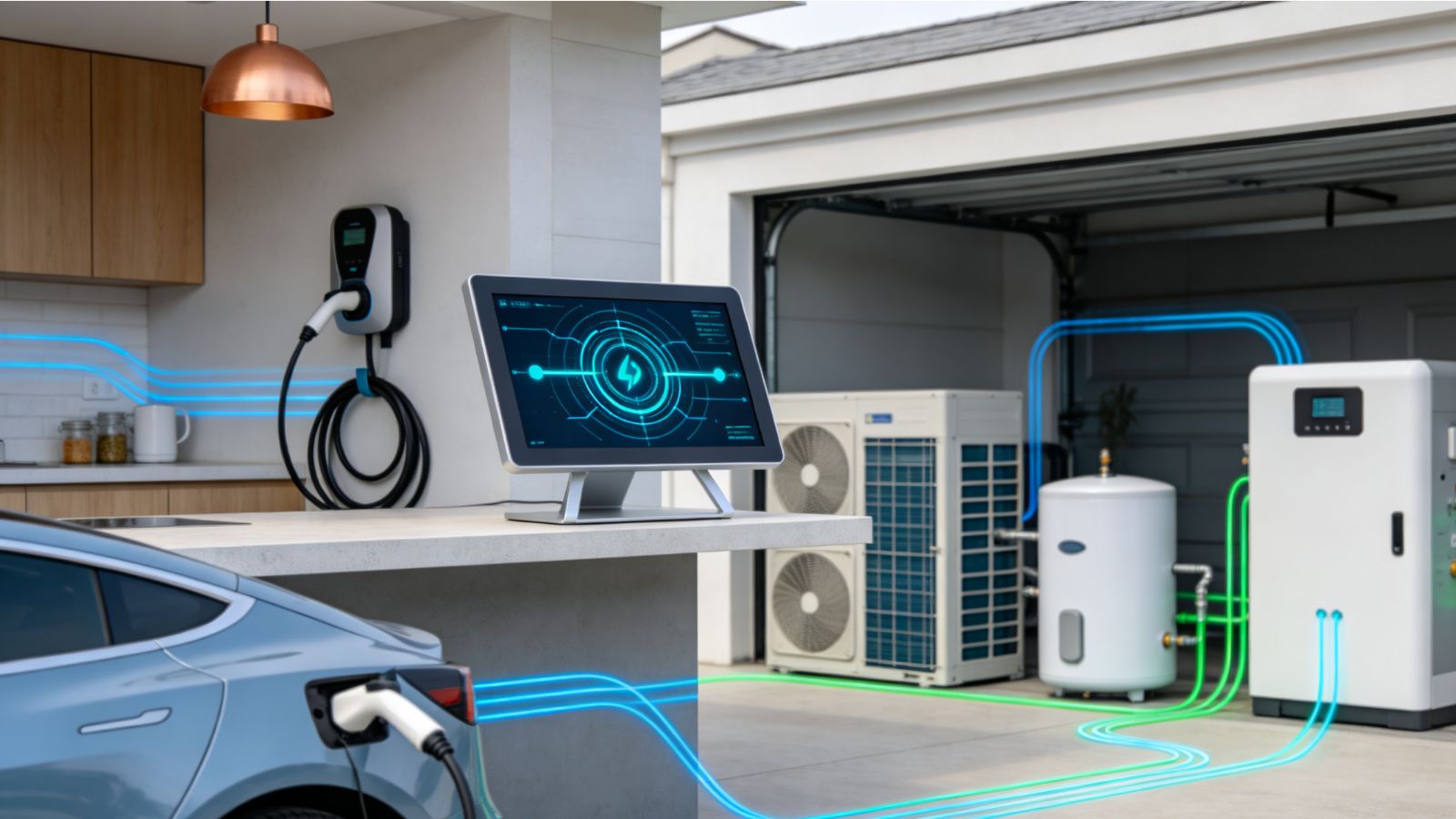
As homeowners add EVs alongside heat pumps, electric cooking appliances, and other electrical equipment, charging decisions become part of broader household electricity use. Smart charging systems can help coordinate when a vehicle receives power so that EV charging works more smoothly alongside other household activities.
Smart charging may adjust charging activity based on overall household electricity use, helping reduce situations where several major electrical demands occur during the same period. While it does not replace proper installation practices, it can help some households make better use of available electrical resources.
The best charging choice usually comes down to how the vehicle is used in everyday life rather than charging speed alone.
A homeowner who drives locally, has reliable access to home parking, and leaves the vehicle connected for long periods may find Level 1 charging completely practical. The slower charging process may not create any inconvenience because the vehicle has enough time to recharge between trips.
A household with longer travel requirements, several drivers, or less predictable schedules may prefer Level 2 charging because it provides additional flexibility. Faster charging can make it easier to prepare a vehicle for the next trip without changing normal routines.
Consider two different households. One driver may use an EV mainly for neighborhood travel, shopping, and weekend activities, returning home every evening with plenty of time for charging. Another family may have multiple vehicles leaving at different times each day and need more flexibility between trips. Although both households own electric vehicles, their charging needs are very different.
Future plans can also influence the decision. A household that expects to add another EV or introduce additional electric appliances may want a charging setup that supports those possibilities. At the same time, choosing a more powerful option is not always necessary if current transportation needs are already well supported.
Level 1 and Level 2 charging systems provide different ways for homeowners to support electric transportation. Level 1 focuses on simplicity and accessibility, while Level 2 provides faster charging for households that need greater flexibility.
Residential EV charging is becoming part of the broader way homes use electricity. The charger is not an isolated appliance; it operates within a relationship between the vehicle, the electrical infrastructure, and the daily habits of the people using it.
For most households, choosing between Level 1 and Level 2 is less about finding the most powerful option and more about finding a charging method that fits the way the vehicle is actually used every day. A driver who mainly takes short local trips may value simplicity, while a household with longer travel routines may appreciate the added flexibility of faster charging. For many homeowners, the right charging choice becomes clear after looking at how often the vehicle is driven, where it is parked, and how the home already uses electricity.
