A building enclosure is not simply a collection of walls, roofs, insulation materials, and exterior finishes. It is a control system that manages the movement of heat, air, liquid water, and water vapor between indoor and outdoor environments. Because those environmental forces change dramatically from one region to another, a wall assembly that performs well in one part of the United States may create durability problems when copied into a different climate without modification.
A high-performance enclosure designed for a cold northern climate must deal with long heating seasons, large temperature differences, and outward moisture movement from conditioned interiors. A coastal southern home faces a very different challenge: hot, humid outdoor air, cooling-driven indoor conditions, wind-driven rain, and inward moisture movement. The difference is not simply about adding more insulation or choosing different materials. The entire assembly—including air barriers, vapor control layers, insulation placement, and drainage strategies—must respond to the environmental conditions it will experience.
This is why modern building science emphasizes climate-specific design rather than universal construction solutions. Organizations such as the U.S. Department of Energy (DOE) and the International Code Council (ICC) classify regions using climate zones based on factors including temperature patterns, heating and cooling requirements, and moisture conditions. These classifications help builders select enclosure strategies that manage local risks instead of relying on approaches developed for completely different environments.
Every building enclosure must manage four fundamental control challenges: water, air, vapor, and heat. The way these forces interact depends heavily on location, season, and building operation.
Temperature differences drive heat flow through walls and roofs. Humidity differences influence vapor movement. Wind and rainfall determine how aggressively exterior moisture challenges the enclosure. Indoor conditions created by heating, cooling, ventilation, and occupant activities also affect how much moisture stress a building experiences.
For example, during winter in a cold climate, warm indoor air contains more moisture than cold outdoor air. This creates conditions where moisture can move toward colder parts of the wall assembly. If that moisture reaches a surface below the dew point and the assembly cannot dry effectively, condensation may occur inside the wall. In contrast, during hot and humid summers, the direction of moisture movement often reverses because humid outdoor air is pushed toward cooler interior spaces by temperature and pressure differences.
A common mistake in construction is assuming that a successful wall design can simply be copied from one region to another. The same insulation material, vapor control layer, or air sealing strategy may perform very differently depending on where it is installed. Climate determines not only how much insulation is needed, but also where moisture control layers should be placed and how much drying potential the assembly requires.
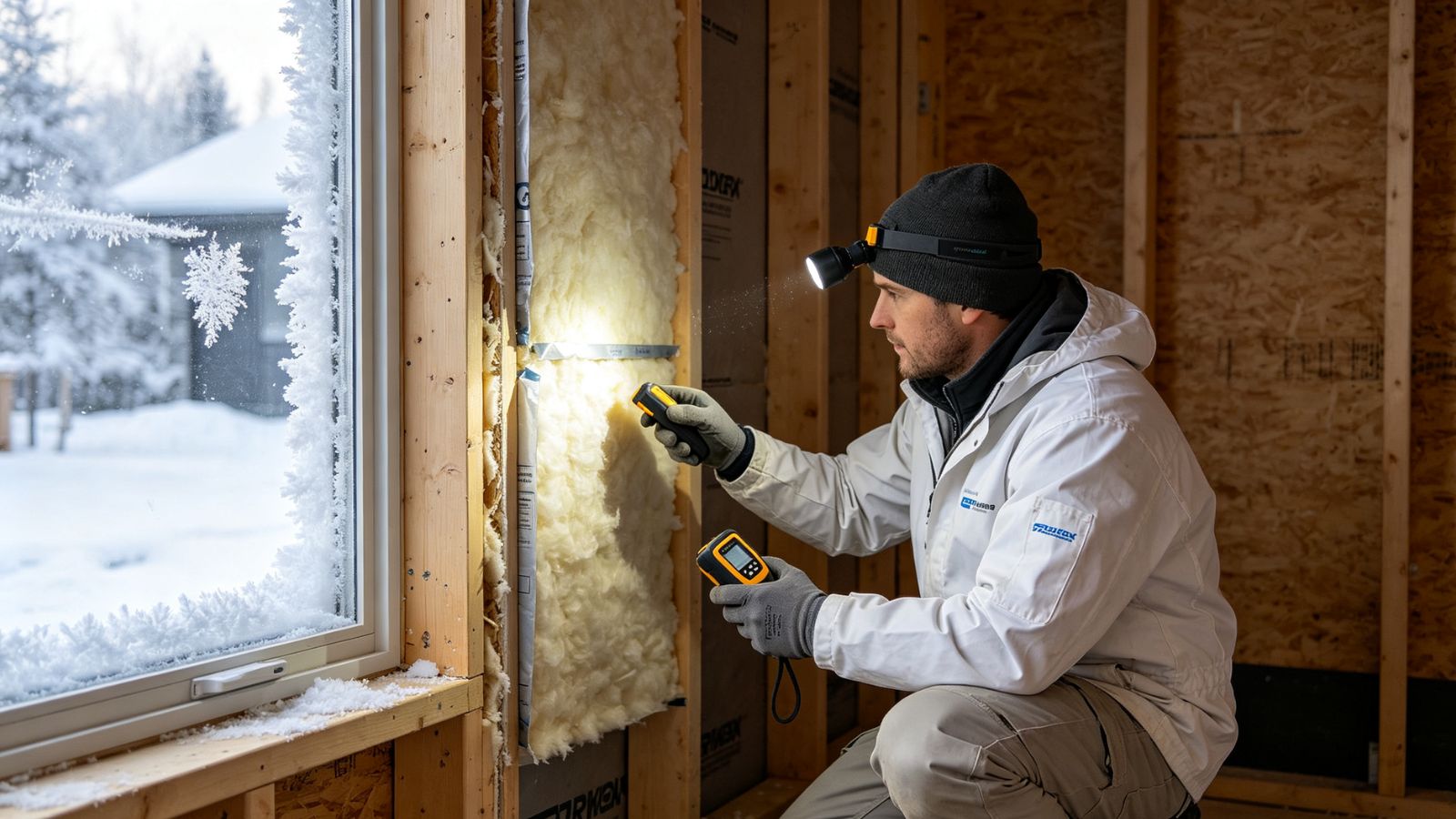
In northern regions with long heating seasons, such as parts of Minnesota, North Dakota, and Alaska, the primary building envelope challenge is protecting the structure from interior moisture moving outward during winter.
When indoor air is warmer and more humid than outdoor air, moisture can migrate toward exterior portions of the enclosure. Although vapor diffusion is one pathway, uncontrolled air leakage can transport much larger amounts of moisture because moving air carries water vapor directly through gaps and cracks in the assembly. For this reason, cold-climate buildings require both effective air control layers and appropriate vapor control strategies.
One major concern in cold climates is interstitial condensation. If warm indoor moisture reaches cold exterior sheathing, the surface temperature of the sheathing may fall below the dew point, allowing condensation to form. Over time, repeated wetting events can contribute to wood decay, reduced insulation performance, and other durability problems if the assembly cannot dry properly.
Traditional cold-climate construction often relied on interior polyethylene vapor barriers to reduce moisture movement into walls. Modern building science has refined this approach by recognizing that vapor control requirements depend on climate zone, wall design, and drying potential. In many cases, smart vapor retarders or carefully selected vapor control materials provide a better balance because they can limit winter moisture movement while still allowing some drying when conditions change.
Thermal bridging is another major concern in colder regions. Wood studs, steel framing, and other structural components conduct heat more easily than insulated cavities, creating areas where interior surfaces become colder. Continuous exterior insulation is often used to reduce these temperature differences by keeping the structural components warmer and lowering the risk of condensation at critical locations.
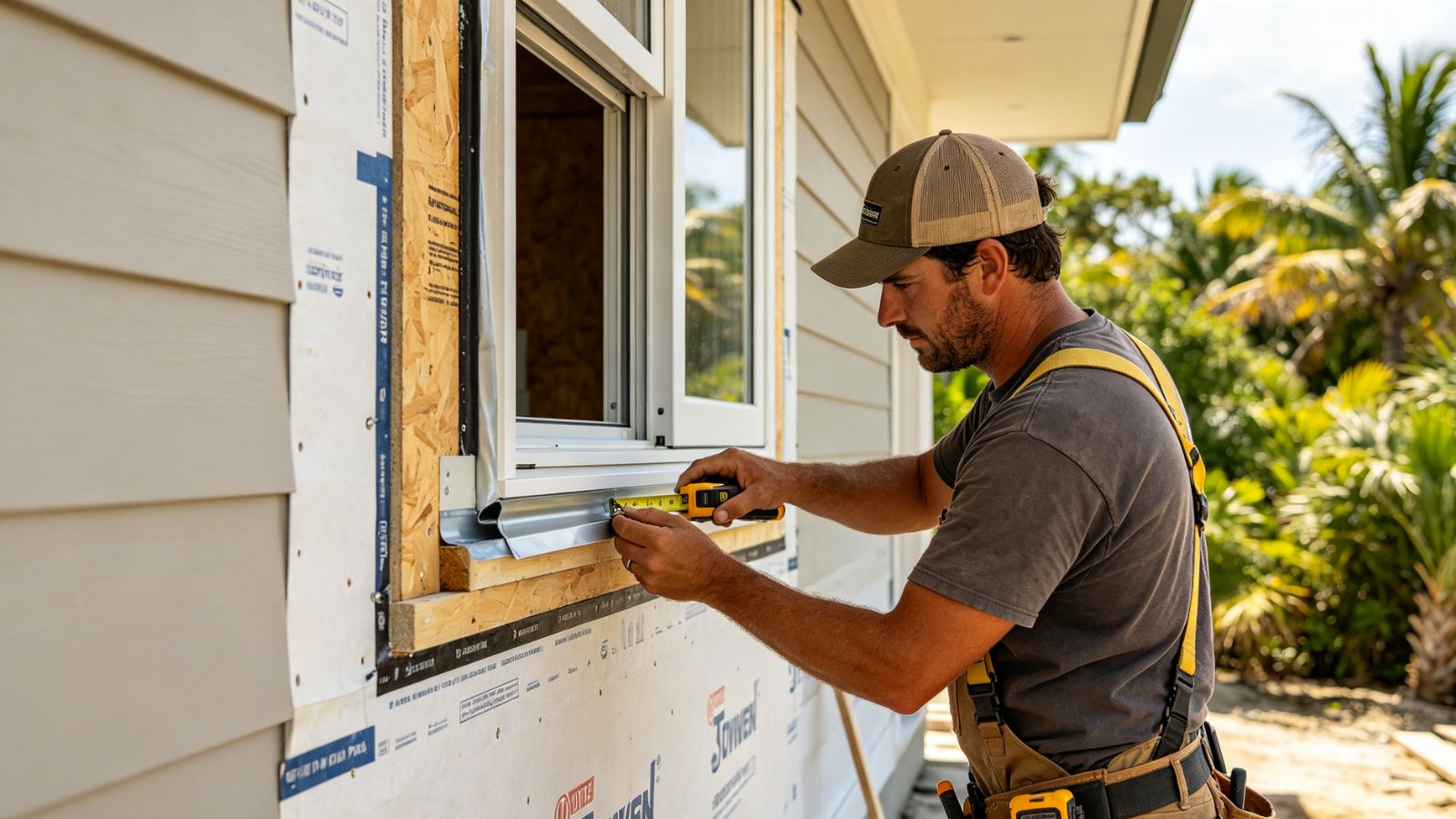
Hot-humid regions, including much of the Gulf Coast and parts of the Southeast, create almost the opposite building science challenge. Instead of protecting against severe outward winter moisture movement, these buildings must manage hot outdoor air, high humidity, solar heat gain, and frequent rain exposure.
During summer, air conditioning cools interior surfaces such as drywall and framing members. At the same time, outdoor air may contain significant amounts of moisture. If humid outdoor air enters the wall assembly or reaches cold interior surfaces, condensation risks can develop.
For this reason, hot-humid construction generally requires careful attention to interior vapor control. Installing highly impermeable interior vapor barriers without considering the complete wall design can reduce the ability of assemblies to dry and may trap moisture under certain conditions. The correct approach depends on the entire enclosure system, including insulation location, exterior materials, air control strategy, and interior humidity levels.
Rain management is equally important in humid climates. Regions exposed to hurricanes, tropical storms, or heavy rainfall require strong water management strategies. Exterior cladding systems must be designed with effective drainage planes, weather-resistant barriers, flashing details, and appropriate drying pathways so that small amounts of water entering behind siding or masonry can safely exit.
A durable hot-humid wall assembly is therefore not simply one that blocks moisture. It is one that controls where moisture can enter, limits unwanted air movement, and provides a reliable way for incidental moisture to dry.
Between the extremes of cold northern climates and hot southern climates are regions where buildings experience both heating and cooling seasons. These mixed climates include many areas of the eastern United States and parts of the Midwest, where assemblies must handle changing moisture patterns throughout the year.
The challenge in mixed climates is flexibility. During winter, moisture may move outward from the interior. During summer, moisture movement may reverse as outdoor humidity increases. A wall assembly that performs well in one season but prevents drying in another can accumulate moisture over time.
Successful designs in these regions often focus on balance: controlling air leakage, limiting excessive vapor movement, managing rainwater, and allowing drying in at least one direction. This is why building scientists frequently emphasize drying potential rather than simply trying to create an enclosure that is completely impermeable. A building that occasionally becomes wet must have a safe pathway to release moisture before long-term damage occurs.
Marine climates, such as parts of the Pacific Northwest, present another unique situation. These regions may not experience extreme heat or extreme cold, but persistent rainfall and limited drying conditions create their own risks. In these environments, controlling bulk water intrusion and maintaining drainage capacity are often more important than relying only on vapor control.
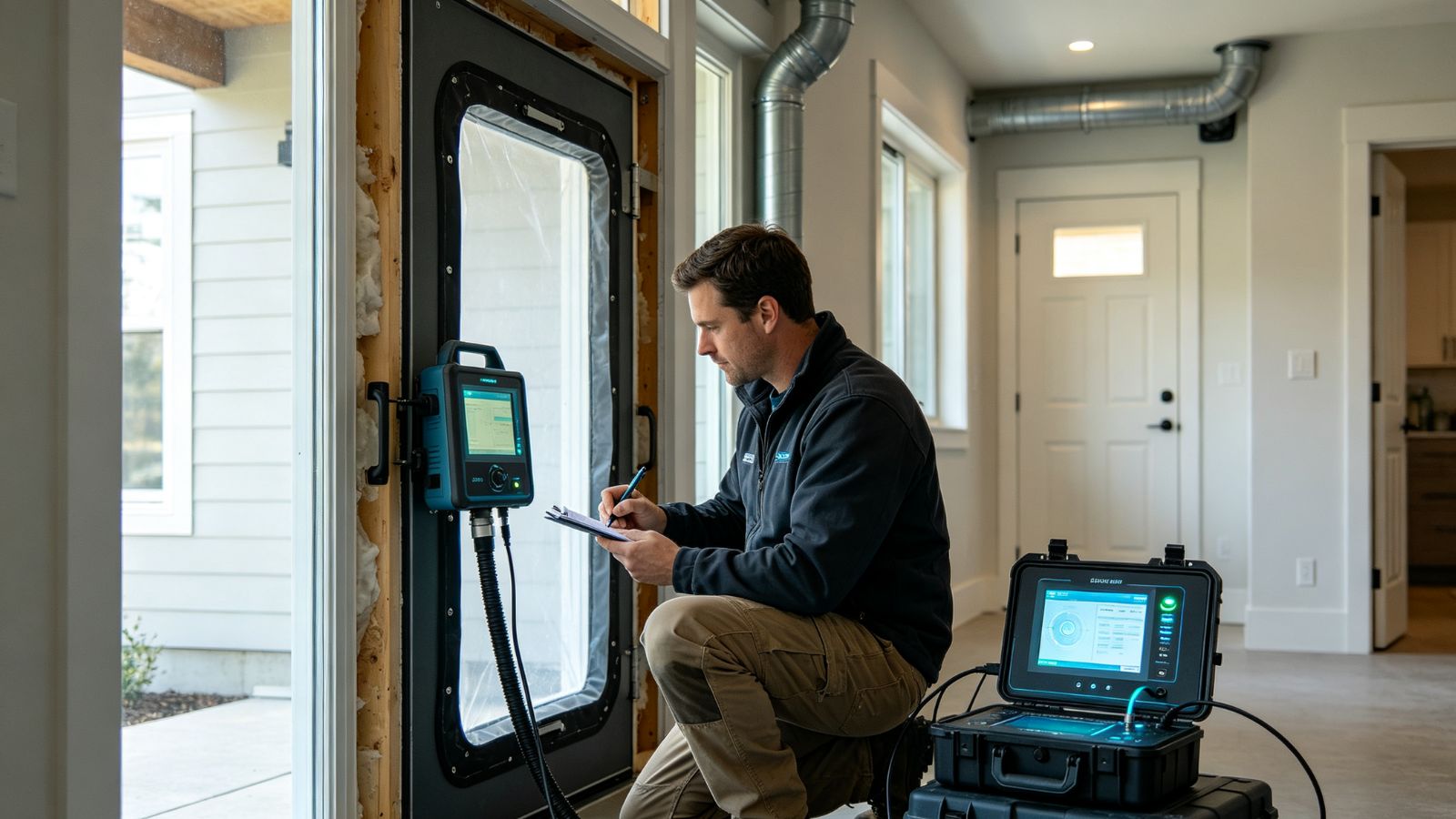
One of the most important lessons in building science is that location matters. A wall assembly is not just a collection of materials; it is a system designed around specific environmental loads.
Consider two homeowners upgrading insulation. One lives in Minneapolis, where winter temperatures regularly create strong outward drying pressures. The other lives near Houston, where summer humidity creates inward moisture challenges. Installing the same insulation package and vapor control strategy in both homes without evaluating climate conditions may produce very different outcomes.
This does not mean every region requires completely unique construction methods. Many principles apply everywhere: control bulk water, create a continuous air barrier, provide sufficient thermal resistance, and manage moisture movement. However, the location determines how those principles should be implemented.
Modern high-performance construction increasingly relies on climate-specific guidance rather than simple material selection. The goal is not to create the most sealed or most insulated wall possible. The goal is to create an enclosure that remains durable, energy efficient, and capable of managing moisture throughout the conditions it will actually experience.
A successful building envelope begins with understanding environmental forces before choosing materials. Temperature patterns determine heating and cooling demands. Humidity influences vapor movement. Rain exposure affects drainage requirements. Indoor conditions influence how much moisture stress the enclosure experiences.
Cold climates typically prioritize protection against interior moisture movement and thermal bridging. Hot-humid climates focus heavily on exterior moisture control, drainage, and careful vapor management. Mixed and marine climates require assemblies that can adapt to changing seasonal conditions while maintaining drying potential.
The most durable buildings are not created by using the same construction approach everywhere. They succeed because their walls, roofs, and foundations are designed around the climate they occupy.
A well-designed enclosure does more than reduce energy consumption. It protects structural materials, improves indoor comfort, and allows the building to perform reliably for decades. Understanding regional temperature and humidity conditions is therefore not a specialized engineering concern—it is one of the foundations of durable, efficient, and resilient construction.
