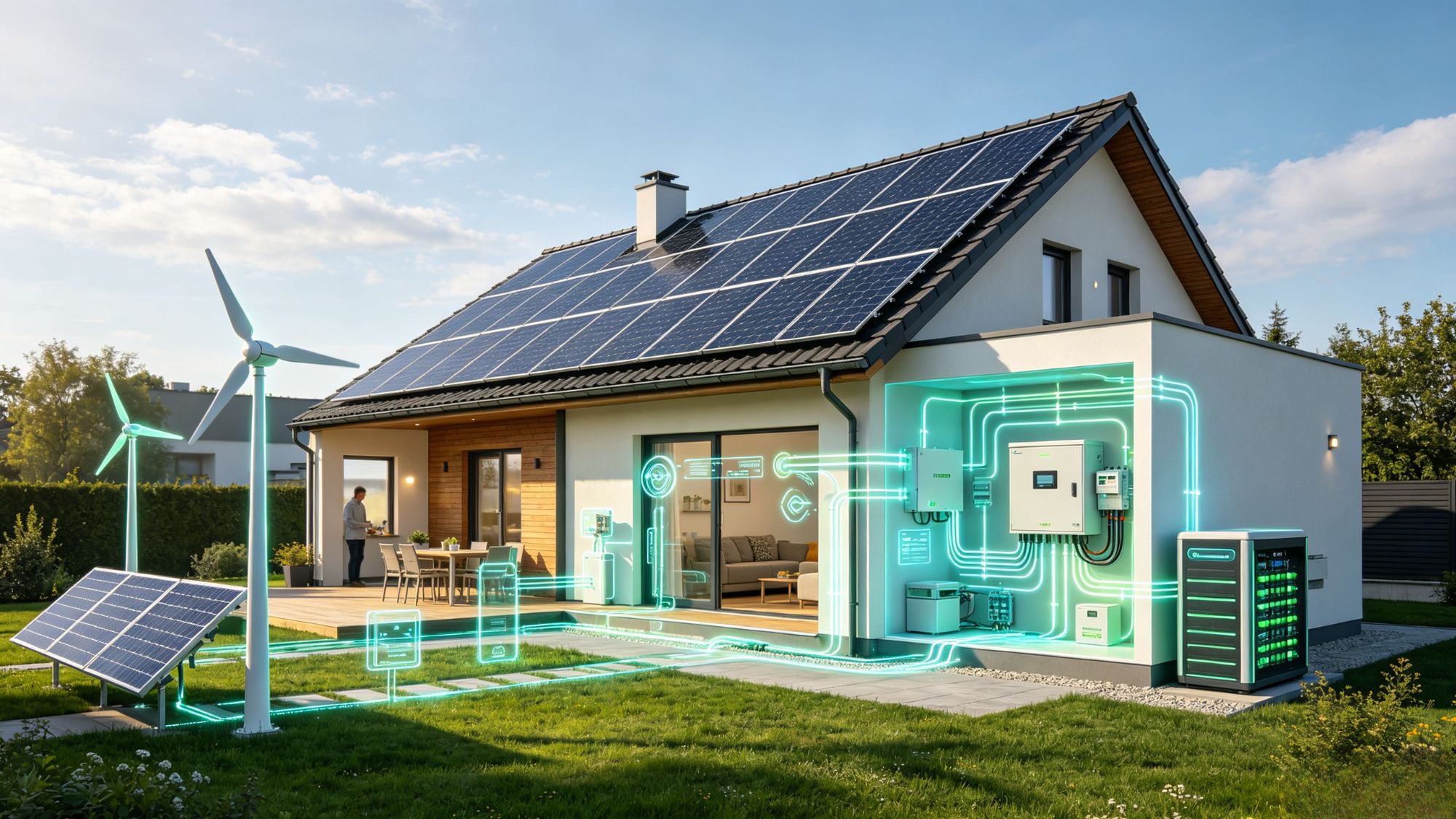
Traditional electricity systems rely on large power plants that generate energy and distribute it through centralized grids. However, renewable technologies are changing this model by allowing individual homes to produce electricity from local resources such as sunlight and wind.
Residential energy systems do more than simply capture natural energy. Solar panels and small wind turbines generate electricity in forms that cannot be directly used by most household appliances. A complete system must convert, regulate, and sometimes store this energy before it becomes reliable household power.
Understanding how these systems work reveals the technology behind the growing shift toward decentralized energy generation.
Every residential generation system begins with a process that converts a natural resource into electricity. The method depends on the energy source being used.
Solar panels produce electricity through the photovoltaic effect. Inside solar cells, semiconductor materials such as silicon respond to sunlight by releasing and moving electrons, creating direct current (DC) electricity.
This electricity is the first stage of energy conversion, but it is not yet suitable for most household devices. Homes generally operate on alternating current (AC), so additional equipment is needed to convert and manage the power output.
Solar generation also changes throughout the day. The amount of electricity produced depends on factors such as sunlight intensity, weather conditions, and panel position. Because output is not constant, residential solar systems require technology that can adjust energy flow and maintain stable performance.
Residential wind systems use mechanical energy instead of direct sunlight conversion.
When moving air pushes against turbine blades, the blades rotate and create mechanical motion. A generator inside the turbine converts this movement into electrical energy through electromagnetic processes.
The electricity produced by wind systems can vary significantly depending on wind speed and local conditions. This makes energy management especially important for maintaining a stable household supply.
Although solar and wind technologies operate differently, both face the same challenge: natural energy sources must be converted into predictable electricity before they can support everyday use.
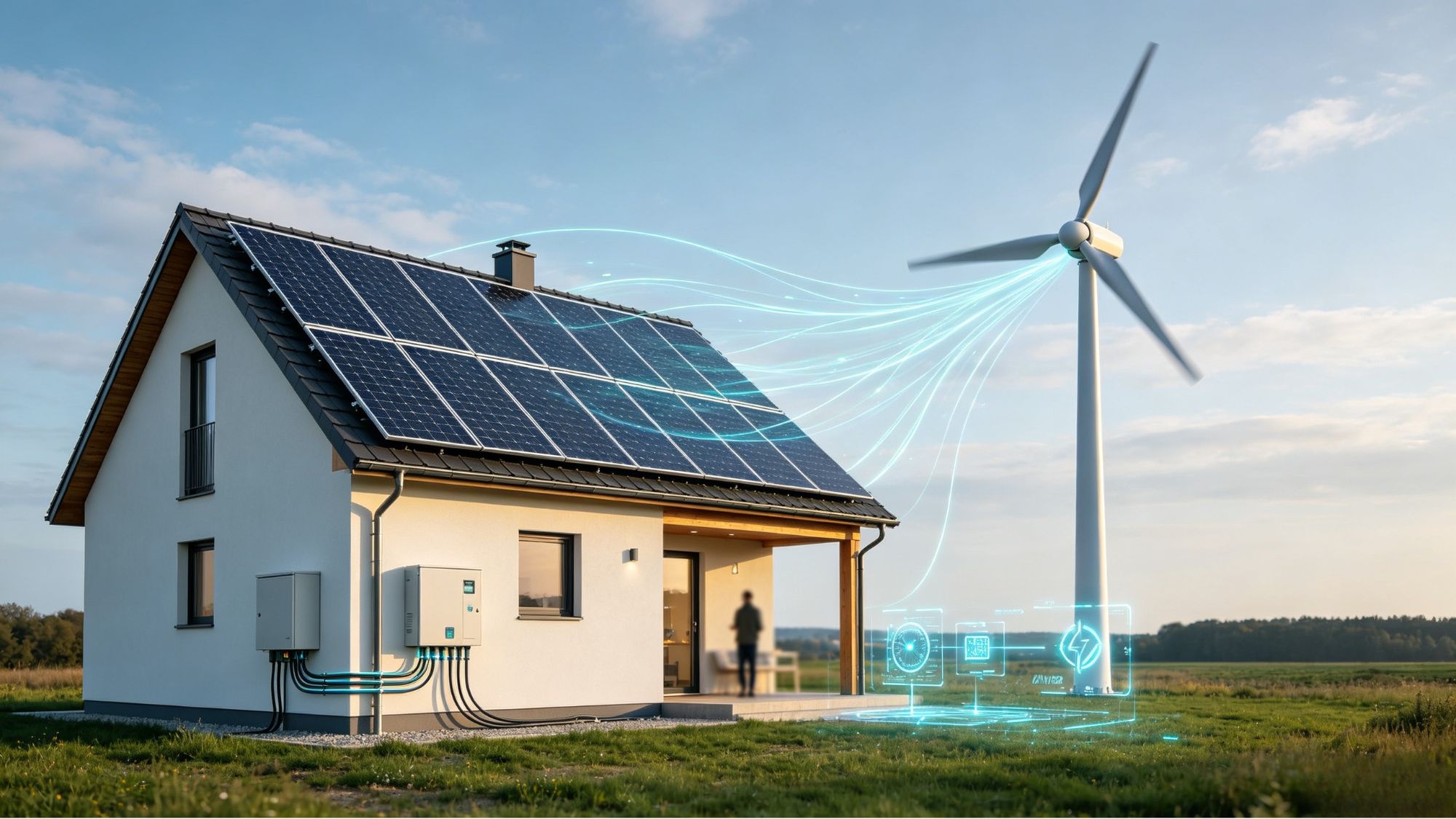
The electricity produced by renewable systems is often unstable or incompatible with standard household power systems. Power conversion equipment solves this problem by adjusting the energy output.
The inverter is one of the most important components in a residential renewable energy system.
Solar panels usually produce DC electricity, while household appliances typically require AC electricity. The inverter converts DC power into AC power that can safely operate household devices.
Modern inverters also help coordinate renewable systems with the electrical grid. They monitor important electrical conditions, such as voltage and frequency, to ensure that generated electricity matches the requirements of the home and utility network.
Without an inverter, electricity generated from sources like solar panels would not be practical for normal residential use.
Renewable energy production naturally fluctuates.
A solar system may produce less power during cloudy periods or at night. A wind turbine may experience changes caused by weather patterns and wind conditions.
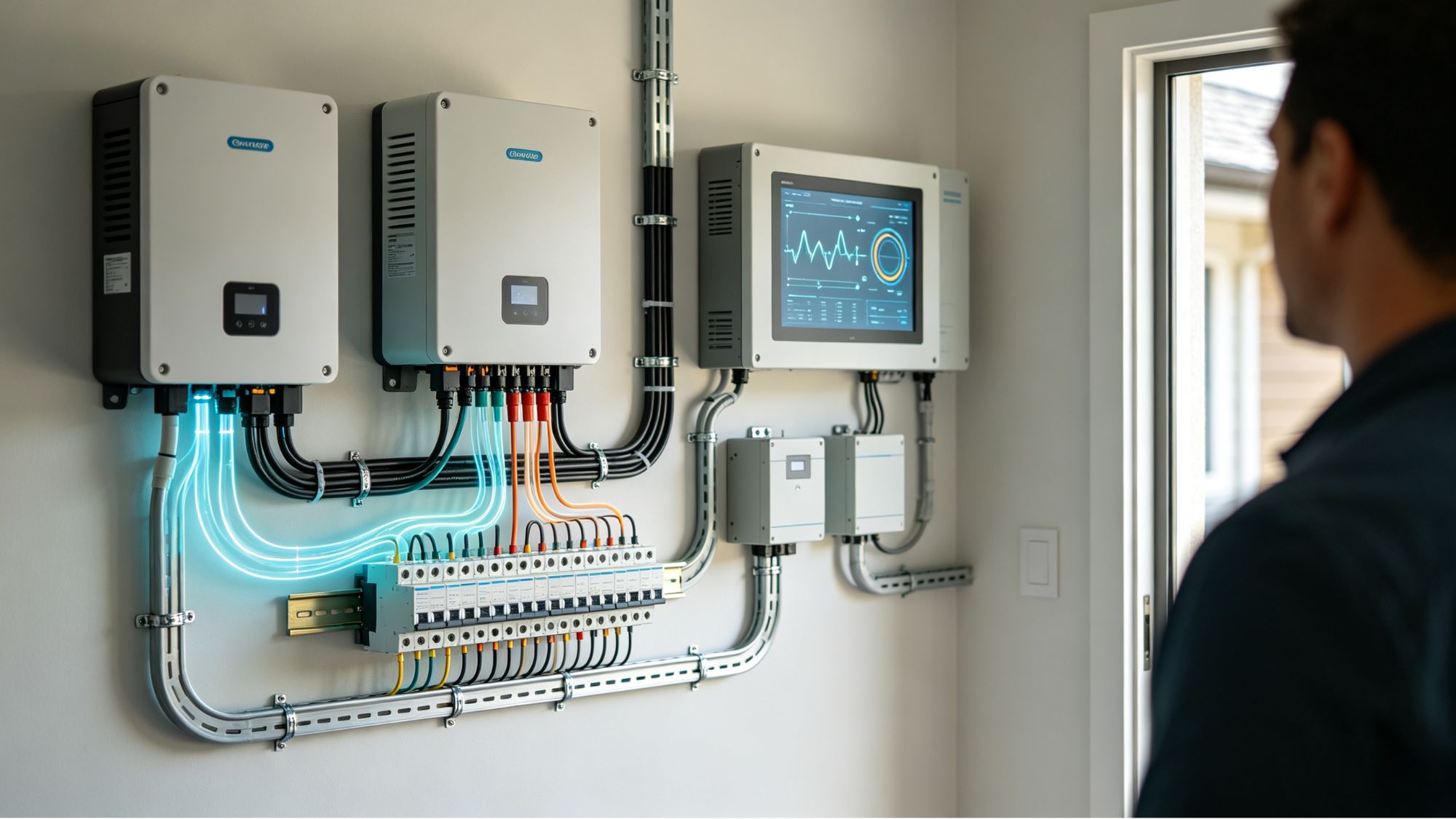
Energy management systems help balance these variations by controlling how electricity is distributed. They can prioritize immediate household use, store excess energy, or send additional power back to the grid.
This balancing process allows renewable energy systems to operate more reliably despite changing environmental conditions.
One major challenge of renewable energy is the difference between when electricity is produced and when it is consumed.
For example, solar panels often generate the most electricity during daylight hours, while household demand may increase in the evening. Battery storage helps solve this timing problem.
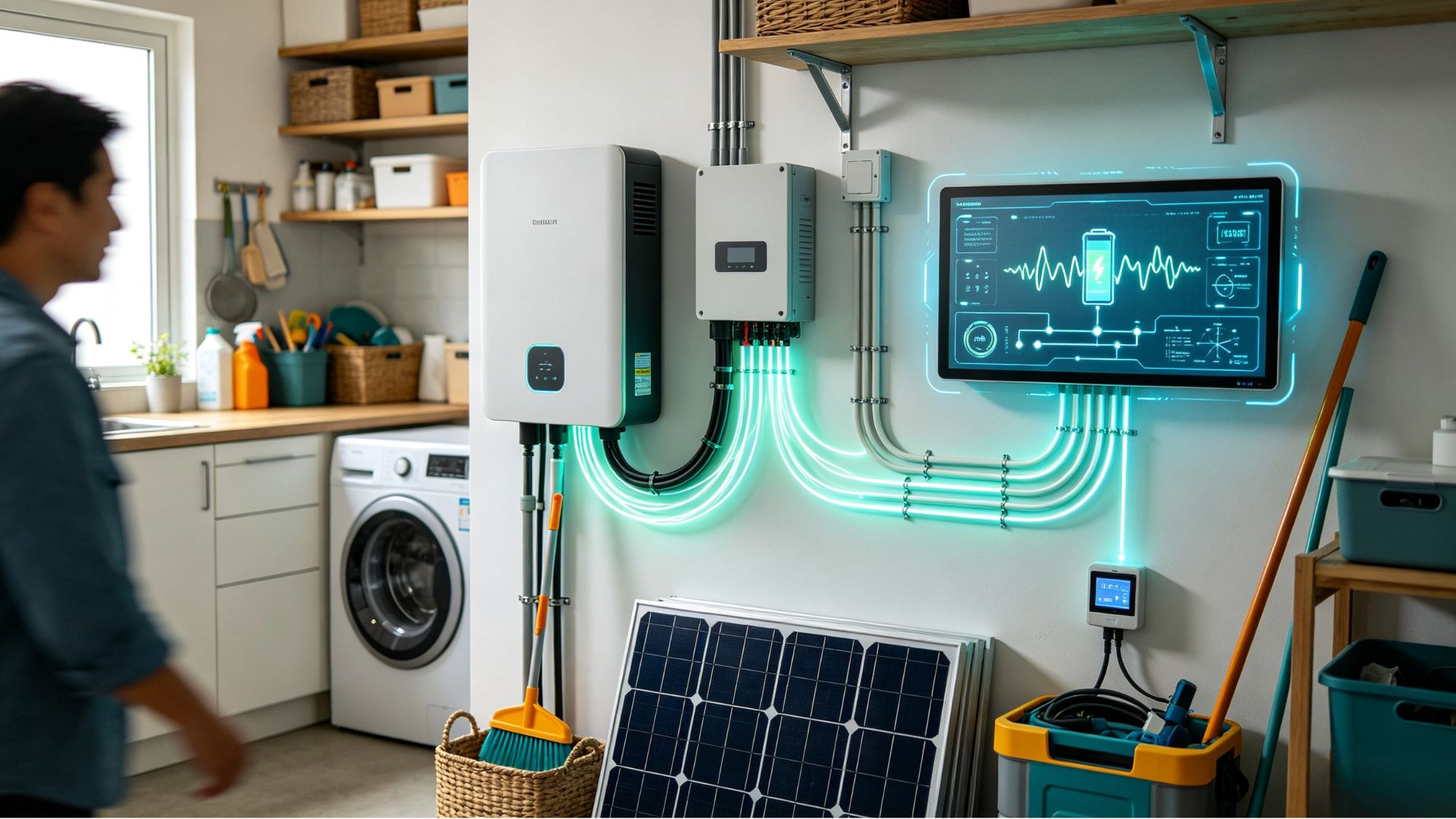
When a renewable energy system produces more electricity than a home currently needs, the excess power can be stored in batteries.
Later, when generation decreases, stored energy can be released and converted back into usable household electricity.
Modern residential batteries commonly use lithium-based technology because of their efficiency and ability to support repeated charging cycles.
Battery storage provides homeowners with greater energy flexibility and can reduce dependence on immediate power production from solar or wind systems.
Many residential renewable systems remain connected to the traditional electricity grid.
When a home produces more electricity than it consumes, the excess energy may be sent back to the grid. Depending on local regulations, utilities may provide credits or other compensation methods for exported electricity.
When renewable generation is insufficient, households can continue receiving electricity from the grid.
This two-way relationship changes the role of residential buildings. Instead of being only energy consumers, homes can become small-scale energy producers that contribute power back to the broader electricity network.
Although residential renewable systems have become more advanced, several practical challenges remain.
Solar and wind systems rely on natural resources, meaning energy production can change over time. Effective system design requires understanding local conditions and planning for periods of lower generation.
A residential energy system must match the needs of the property. Factors such as electricity consumption patterns, available installation space, and local regulations influence how effective a system can be.
A well-designed system balances energy production, storage capacity, and household usage rather than simply maximizing generation.
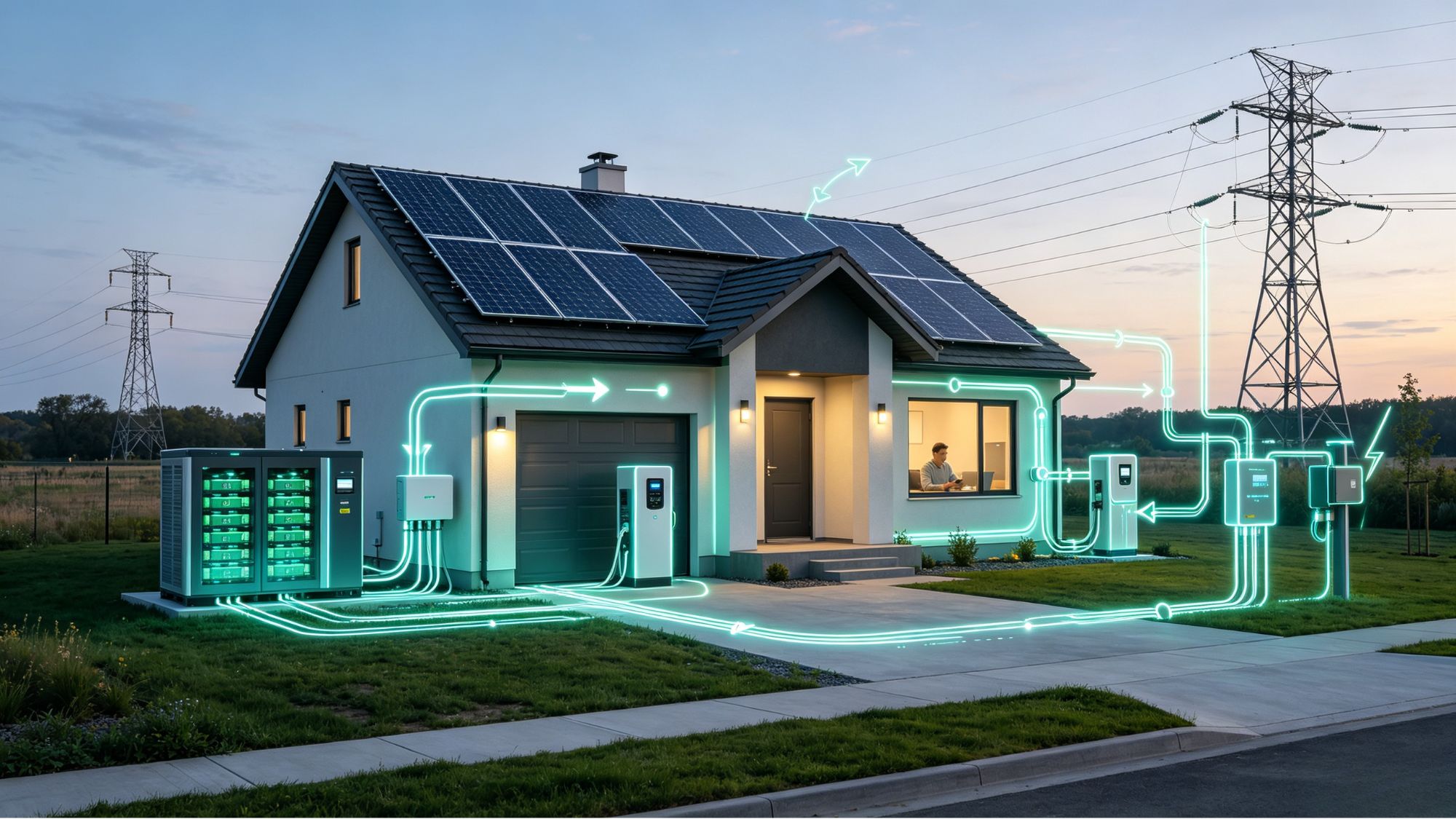
Residential energy systems represent a transition from traditional centralized electricity models toward more flexible and distributed power generation.
Solar panels and wind turbines capture energy from local resources, while inverters, storage systems, and grid connections transform that energy into practical household electricity.
Although renewable sources naturally fluctuate, modern energy management technologies make it possible to use these resources more effectively. As residential generation continues to develop, homes will play an increasingly important role in shaping a more decentralized and adaptable energy future.
