As more homeowners install solar panels, electric vehicles (EVs), and battery storage systems, residential electrical planning is becoming more complex. These technologies can work together, but they all interact with the same electrical infrastructure that powers the rest of the home.
The challenge is not simply whether a house produces enough electricity over time. A solar system may generate substantial energy during the year, and a battery may store excess power for later use, but the home’s electrical system still needs to handle the actual flow of electricity at any given moment.
Residential solar, EV charging, and battery systems share electrical capacity through a combination of electrical service design, equipment selection, and energy management. Understanding how these systems interact helps homeowners make better decisions about upgrades, equipment choices, and future energy needs.
Traditional residential electrical systems were designed around familiar household loads such as lighting, appliances, heating, cooling, and electronics. Solar generation, EV charging, and battery storage introduce a different pattern because they change both the amount and timing of electricity flow.
Solar panels produce electricity when sunlight is available, which may not always align with household demand. EV charging often occurs when drivers return home, a time when other household electricity use may also increase. Battery systems add another layer by moving electricity between different times of the day depending on how they are configured.
These technologies should be viewed as connected parts of one energy system rather than separate additions. A home may have enough annual solar production to offset some electricity consumption, but that does not automatically mean the electrical equipment can support every device operating at its highest demand at the same time.
Electrical capacity depends on how much power the system can safely manage at a specific moment, not only how much energy is produced or consumed over a longer period.
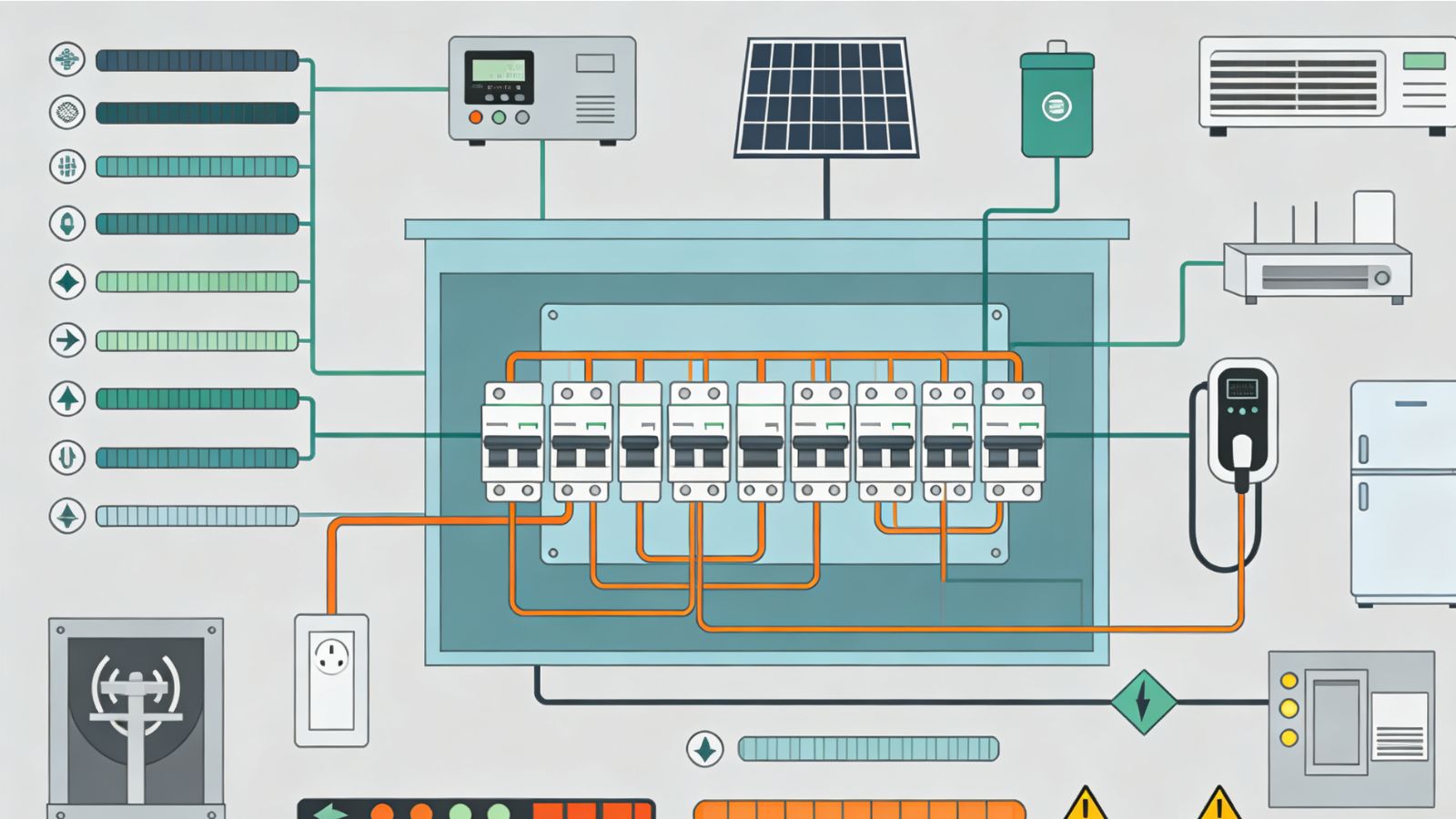
A common misunderstanding is that the size of a home’s electrical service alone determines whether it can support additional equipment. In reality, available capacity depends on how the entire electrical system is being used.
When evaluating a home for solar, EV charging, and battery installation, professionals typically consider the relationship between the electrical service, existing loads, and new equipment requirements. An electrical capacity evaluation may review the home’s service rating, existing electricity demand, major appliances, panel limitations, and the requirements of solar inverters, batteries, and EV chargers.
The purpose of this evaluation is to understand how much additional electrical demand the system can safely accommodate.
Electrical capacity calculations are not simply a matter of adding the maximum rating of every device together. Many household loads do not operate continuously or at full output at the same time. Professionals consider which electrical loads operate simultaneously, how often major equipment runs, whether energy management controls can reduce demand peaks, and how future electrification may affect the system.
The number of devices installed does not always determine whether a system will work; the way those devices operate together is often more important. A home with several connected technologies may function effectively when energy use is coordinated, while another property with fewer devices may require additional planning because of existing electrical limitations.
For example, an EV charger may not need to operate at full power overnight if charging can be scheduled during periods when other household demand is lower. Similarly, a battery system may store or release electricity at specific times to help balance household energy use.
Capacity calculations help determine whether a property needs additional infrastructure, smarter controls, or a combination of both.
Solar panels affect electrical planning because they introduce electricity production into the home rather than simply adding another demand.
During periods of strong sunlight, solar generation may directly power household appliances, charge a battery system, or send excess electricity back to the grid depending on the system design and utility arrangements. However, electricity production and electricity consumption do not always happen at the same time.
Many households generate the most solar power during the middle of the day, while electricity demand may increase later when residents return home and begin using appliances or charging vehicles. This difference between energy production and household demand is one reason battery storage and smart energy management have become important parts of residential electrification.
EV charging can significantly change a home’s electricity profile because vehicle charging may represent a large new demand compared with traditional household devices. Level 2 EV chargers are commonly used for residential charging because they provide faster charging than standard outlets. The actual charging performance depends on the charger’s specifications, the vehicle’s capability, and the electrical capacity available at the property.
The main consideration is not only how much power the charger can use, but also when charging occurs. If vehicle charging overlaps with other major household loads, total demand may increase during certain periods.
Smart charging technology helps manage this situation by adjusting charging schedules or power levels based on household conditions. Instead of charging at maximum output whenever the vehicle is connected, the system may delay charging or reduce charging intensity when other electricity needs are higher.
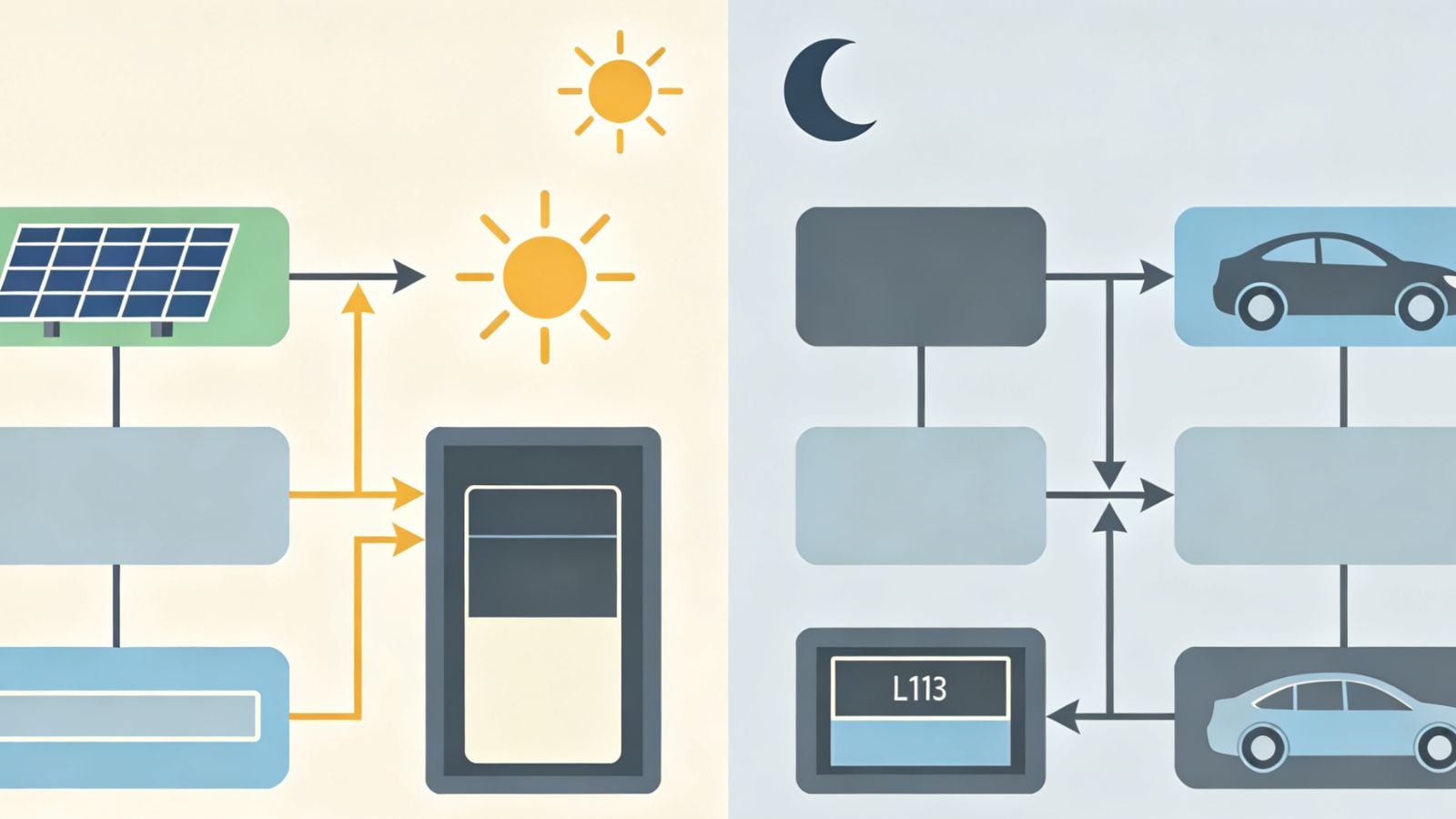
Home battery systems provide flexibility by allowing electricity to be stored and used at a different time from when it was generated.
A battery connected to solar panels may store excess daytime generation and provide electricity later when household demand increases. Some battery systems are also designed to support backup power during certain outages when installed with the required equipment and configured for that purpose.
From an electrical capacity perspective, batteries help manage the timing of electricity use rather than eliminating the need for capacity planning. A battery that is too large or improperly integrated does not automatically improve a home’s electrical performance. The system still needs to match the property’s energy patterns, equipment requirements, and long-term goals.
Battery storage works best when it is part of a broader energy strategy that considers solar production, EV charging behavior, household consumption, and future electrical needs.
Consider a homeowner who wants to install rooftop solar, add a Level 2 EV charger, and include a battery storage system. The homeowner may assume that adding solar generation will automatically provide enough power for vehicle charging and household needs.
However, the actual design process requires evaluating how these systems interact.
The solar system may generate electricity during the day, while the battery can store some of that energy for later use. The EV charger may operate during evening hours, but smart controls can adjust charging based on available capacity and household demand.
In this situation, the best solution is not necessarily adding the largest possible equipment. A properly designed system may focus on coordinating energy production, storage, and charging behavior so that the home operates efficiently within its electrical limitations.
Another home with older electrical equipment, higher existing demand, or limited panel capacity may require equipment upgrades before adding the same technologies.
The difference between these properties is not simply the number of devices being installed. It is how the entire electrical system is evaluated and managed.
Some homes can integrate solar, EV charging, and batteries without major electrical modifications, while others may need improvements before installation.
Older properties may have electrical equipment that was not designed for modern electrification. Limited panel space, outdated components, or higher existing electricity demand can affect available options.
Possible improvements may include updating electrical panels, increasing available service capacity, adding dedicated circuits, or modifying connections for new energy equipment. A professional assessment helps determine whether upgrades are required or whether energy management strategies can address capacity limitations.
Many homeowners are considering multiple electrical upgrades over time, including solar panels, EV charging, batteries, electric heating systems, and other technologies. Because these systems often remain in service for many years, planning only for current needs may limit future flexibility.
Planning for future electrical needs can help homeowners avoid redesigning their systems as additional technologies are added. A well-considered electrical strategy can provide more flexibility when new equipment is introduced later, reducing the chance that earlier decisions limit future options.
The goal is not simply adding more technology, but creating an electrical system that can support changing energy patterns safely and efficiently.
Residential solar, EV charging, and battery systems can successfully share electrical capacity when they are designed as a coordinated system. The most important factors are not only the equipment being installed, but also the home’s existing electrical infrastructure, usage patterns, and ability to manage electricity demand.
Electrical capacity calculations, smart energy management, and proper system planning allow homeowners to combine renewable energy, vehicle charging, and storage in a way that matches their property’s capabilities.
As residential electrification continues to expand, understanding how these technologies work together will help homeowners make better long-term decisions about their energy systems.
