As prolonged heat waves place greater stress on homes and electrical infrastructure, residential heat resilience is no longer simply a question of maintaining comfort. A building that cannot shed or resist heat efficiently can become increasingly dependent on mechanical cooling precisely when outdoor temperatures are highest and the electrical grid may be under its greatest strain. The problem is especially important during power outages, when even a well-maintained air-conditioning system becomes unavailable.
A more resilient approach treats the building as a coordinated thermal system rather than relying on a single piece of equipment. Exterior shading can reduce solar heat gain before it enters the home, thermal mass can moderate short-term temperature swings under appropriate conditions, and well-timed ventilation can remove accumulated heat when outdoor conditions permit. Backup power can then provide a separate layer of protection for essential mechanical systems when passive measures alone are insufficient. The effectiveness of each strategy depends heavily on climate, building design, humidity, occupancy, and the duration of the heat event, so none should be treated as a universal substitute for mechanical cooling. The U.S. Department of Energy likewise identifies shading, insulation, efficient windows and doors, and appropriate ventilation as components of residential cooling strategies, while noting that ventilation is not effective in hot, humid conditions when outdoor air remains warmer than indoor air.
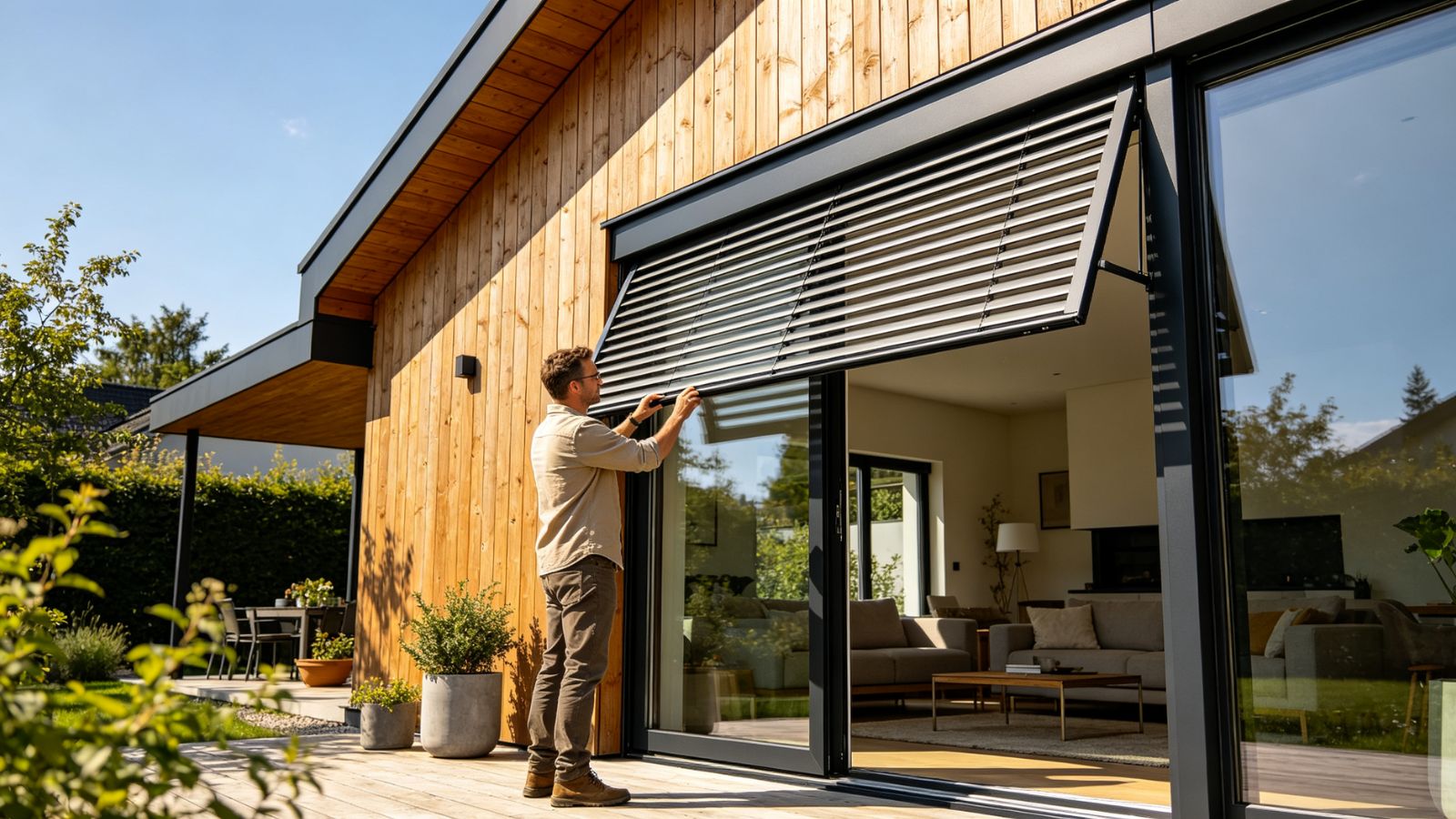
The first opportunity to reduce indoor heat gain is outside the building envelope. Solar radiation that is intercepted by an exterior shade, overhang, shutter, or appropriately placed vegetation never reaches the window or wall surface, which means the cooling system does not have to remove that heat later. This distinction is important because once direct sunlight passes through glazing, a significant portion of its energy becomes an indoor cooling load.
Exterior window shading is particularly valuable because windows can admit substantial solar radiation even when the rest of the building envelope is relatively well insulated. Fixed roof overhangs, exterior awnings, operable exterior shades, shutters, and appropriately designed louvers can all reduce direct solar exposure. The most effective geometry depends on the orientation of the window and the seasonal position of the sun, so a shading strategy designed for one façade should not automatically be copied onto another. Exterior measures generally have an advantage over interior blinds because they intercept sunlight before it passes through the glazing rather than allowing the glass and interior surfaces to absorb that energy first.
Vegetation can provide another layer of solar protection, but it should be treated as part of a broader site-planning strategy rather than as an instant substitute for engineered shading. Deciduous trees can provide useful seasonal shade in appropriate climates, while carefully positioned landscaping can reduce solar exposure around walls and windows. At the same time, vegetation must be maintained with consideration for local fire risk, pests, moisture, and building clearances. In wildfire-prone areas, for example, a landscaping decision that improves summer shading may need to be evaluated against the home's broader defensible-space requirements.
Roof reflectance can also influence how much solar energy enters the building. Cool roofs and other high-reflectance roofing assemblies reduce the amount of solar radiation absorbed by the roof surface, which can lower roof temperatures and reduce heat transfer into the attic. Their value varies with climate, roof construction, insulation levels, and the amount of solar exposure. The important principle is not that every home needs the same roofing material, but that reducing heat gain at the exterior surface can lower the thermal burden that downstream cooling systems must manage.
Thermal mass operates differently from shading. Instead of preventing heat from arriving, dense materials can absorb and store thermal energy, slowing the rate at which indoor temperatures change. Concrete slabs, masonry walls, brick, tile, and other relatively dense materials can therefore moderate short-duration temperature fluctuations when they are properly integrated into the building's thermal design.
The benefit depends heavily on timing. A large concrete floor, for example, can absorb heat during a warm afternoon and delay its effect on indoor air temperature. If cooler conditions arrive later in the evening, that stored heat can potentially be released and removed through ventilation or mechanical cooling. In this sense, thermal mass works best as part of a complete thermal cycle rather than as an isolated material choice.
This distinction matters because thermal mass does not destroy heat. If outdoor temperatures remain high around the clock and a building has no effective means of rejecting accumulated heat, the mass can gradually become warmer itself. Once that happens, the same material that previously moderated indoor temperatures can continue releasing stored heat into the occupied space. Thermal mass is therefore most useful when combined with appropriate insulation, solar control, and a reliable means of removing heat when outdoor conditions become favorable.
Building orientation and climate also determine whether additional thermal mass is worthwhile. A dense interior surface exposed to direct afternoon sunlight may behave very differently from the same material located behind insulation and protected from solar gain. Consequently, adding concrete, masonry, or tile simply because those materials are described as having "thermal mass" does not guarantee improved heat resilience. The surrounding envelope and the daily temperature cycle determine whether the material will provide a meaningful buffering effect.
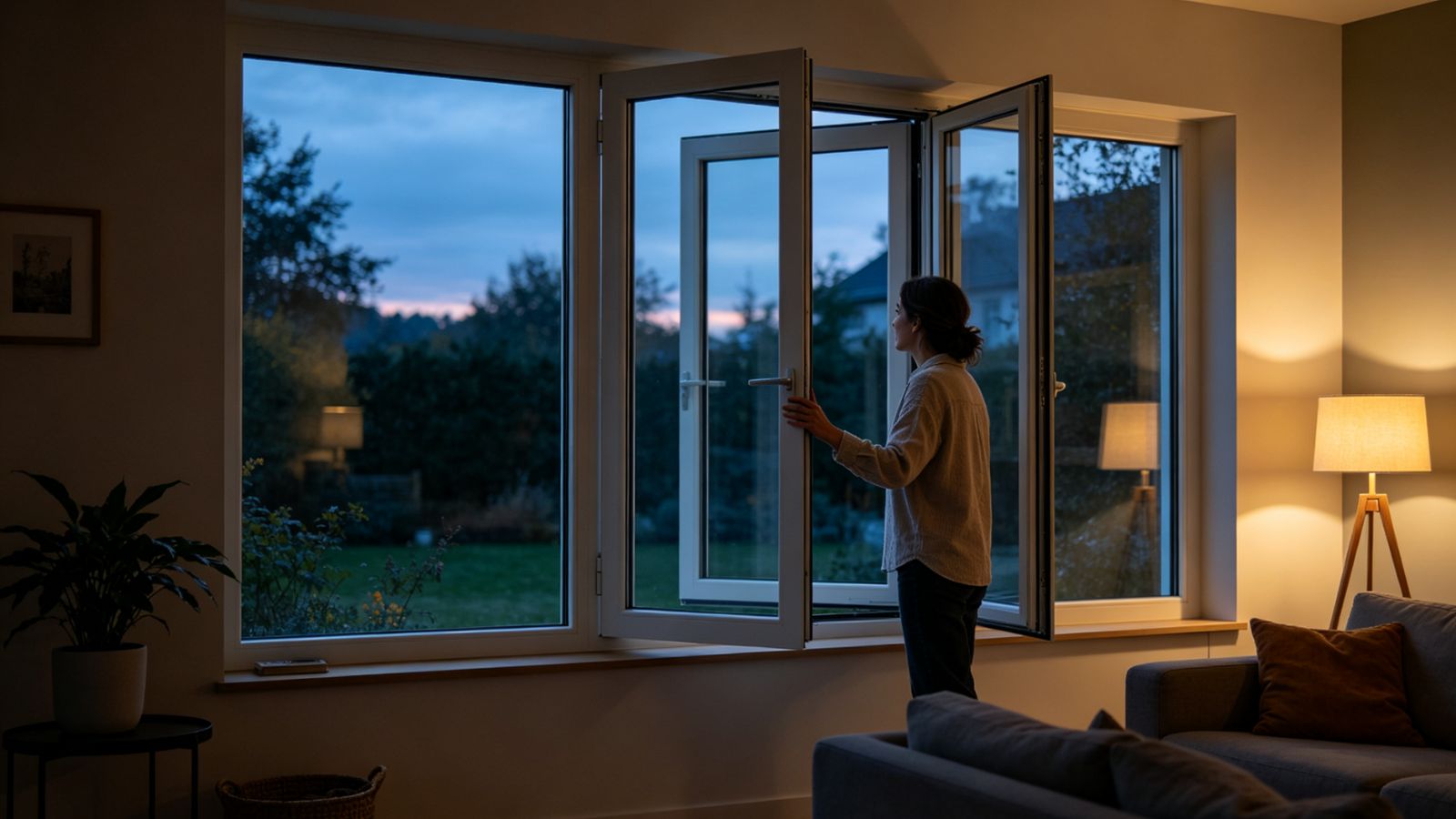
Ventilation can provide substantial passive cooling when outdoor air is cooler than indoor air, but its usefulness depends on the temperature and humidity of that incoming air. During a summer evening in a dry climate, for example, opening strategically positioned windows can allow accumulated indoor heat to escape while cooler outdoor air enters. Cross-ventilation can be particularly effective when openings on different sides of the building create a continuous airflow path.
The stack effect can provide another mechanism for moving hot air. Warm air tends to rise, so high-level openings can allow accumulated heat to escape while lower openings admit cooler air. Whole-house fans and other mechanically assisted ventilation systems can increase airflow when natural wind is insufficient, although their effectiveness depends on the home's layout, airtightness, outdoor conditions, and equipment design.
Timing is critical. If outdoor air becomes hotter than indoor air during the afternoon, opening windows may increase rather than reduce the home's thermal load. The same principle applies to humidity: bringing hot, humid outdoor air indoors can create additional latent cooling requirements even when the outdoor temperature is only moderately higher than the indoor temperature. For that reason, a ventilation strategy that works well during a dry nighttime period may be inappropriate during a hot, humid afternoon.
The objective is therefore not to maximize airflow at all times. It is to use ventilation selectively when outdoor conditions are favorable, while limiting unwanted heat and moisture entry when they are not. During the hotter part of the day, shading, window coverings, insulation, and controlled sealing can help preserve the cooler conditions established earlier. Ceiling fans can also improve perceived comfort by increasing air movement across occupants' skin, although they do not actually lower the air temperature and should not be treated as a substitute for adequate cooling when indoor temperatures become unsafe.
Passive measures can slow the rate at which a home heats up, but they cannot guarantee safe indoor conditions throughout a prolonged extreme-heat event. When the electrical grid fails, the building's thermal performance becomes especially important because it determines how quickly indoor temperatures rise. Backup electrical systems provide another layer of resilience by allowing selected equipment to continue operating after grid power is interrupted.
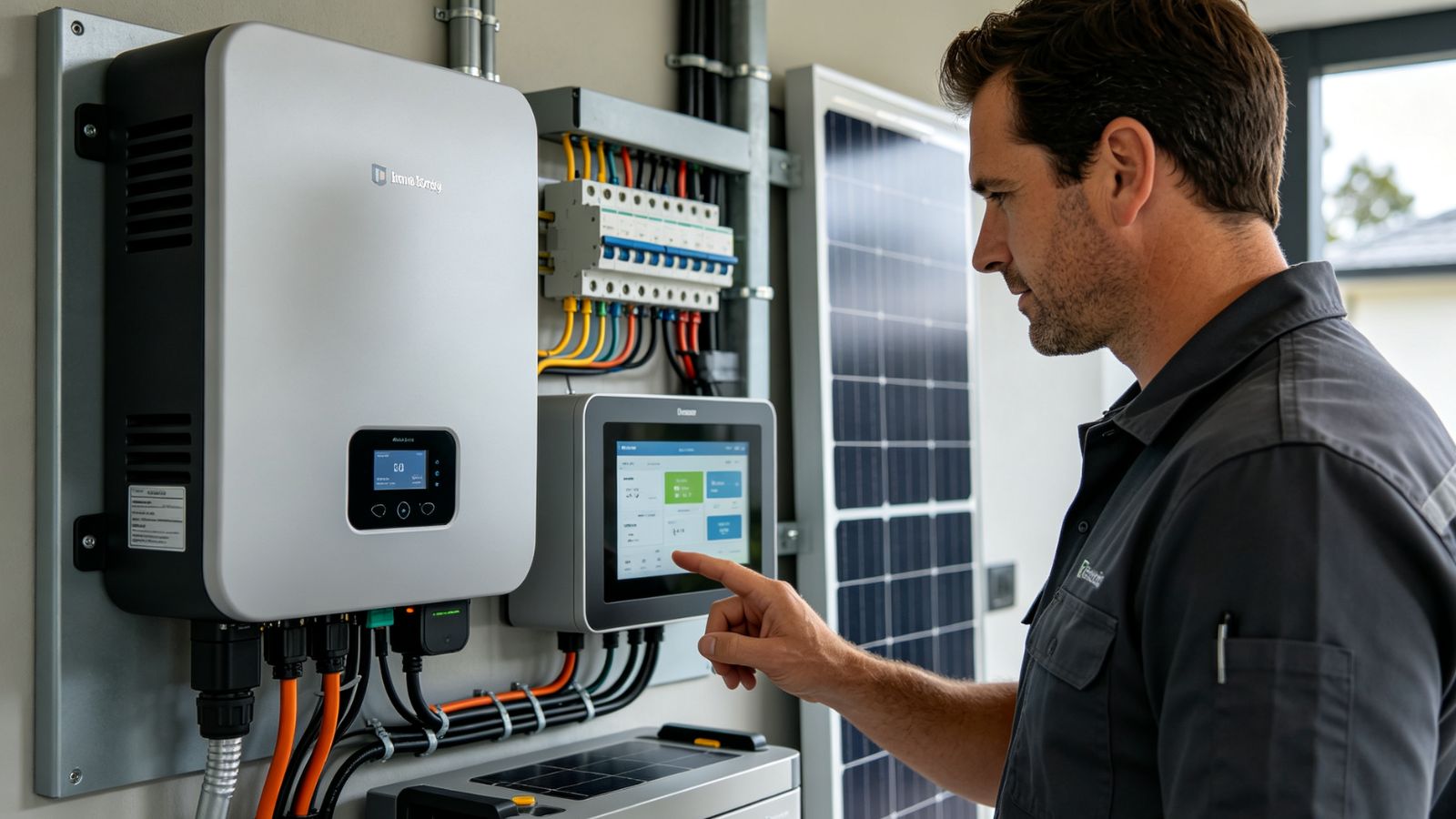
Residential backup architectures vary considerably. A solar-plus-storage system can provide electricity during an outage when the system is properly configured for backup operation, while a generator can supply power independently of solar production. In either case, the available capacity must be matched to the home's essential loads. Running an entire central air-conditioning system, for example, can require substantially more power than operating a smaller dedicated cooling system, and starting characteristics can also affect inverter and generator sizing.
Battery systems are particularly useful when they are integrated with appropriate load management. Rather than attempting to power every appliance indefinitely, a homeowner can prioritize essential circuits such as selected cooling equipment, refrigeration, communications, and other critical electrical loads. The practical duration of backup depends on battery capacity, solar production, outdoor temperature, equipment efficiency, and household demand. A battery should therefore be evaluated as part of an electrical system rather than as a standalone measure of resilience.
The same principle applies to generators. A generator's advertised output does not automatically mean that every household circuit can be operated simultaneously. Starting currents, continuous loads, fuel availability, ventilation requirements, transfer equipment, and local installation rules all influence how useful a generator will be during an extended outage. Backup systems should be designed and installed according to applicable electrical and safety requirements rather than treated as simple plug-and-play solutions.
The strongest heat-resilience strategy does not depend on one technology. It reduces heat entering the building, slows temperature changes, removes stored heat when conditions permit, and preserves access to essential cooling when passive measures are no longer sufficient. Each layer reduces the burden placed on the next one.
Consider a home exposed to several consecutive days of extreme heat. Exterior shading can reduce daytime solar gain, while a well-insulated envelope slows heat transfer through the roof and walls. Thermal mass can moderate short-term temperature changes, and nighttime ventilation may remove accumulated heat when outdoor conditions become cooler. If the grid subsequently fails, the slower rate of indoor temperature rise gives a battery or generator more time to operate essential cooling loads. The value of the backup system therefore increases when the building itself has already been designed to limit unnecessary heat gain.
Climate determines which layers deserve the greatest emphasis. In a hot, dry region with large nighttime temperature swings, thermal mass and night flushing may provide meaningful benefits when combined with strong solar control. In a hot, humid climate, however, outdoor ventilation can introduce moisture and may be ineffective during much of the day; the Department of Energy specifically cautions that ventilation is not an effective cooling strategy in hot, humid climates. In such conditions, shading, insulation, efficient mechanical cooling, humidity control, and appropriately sized backup power may play a larger role.
This climate-specific approach is also important because heat resilience should not be confused with simply maximizing energy efficiency. A highly efficient air conditioner can reduce electricity demand during normal operation, but efficiency alone does not determine how long a home remains habitable during a blackout. Conversely, a passive feature that works exceptionally well in one climate may provide limited benefit in another. Resilience comes from matching the building envelope, passive strategies, mechanical systems, and backup architecture to the actual environmental conditions the property experiences.
Extreme heat exposes weaknesses that may remain invisible during ordinary summer weather. A poorly shaded window, inadequately protected roof, or building envelope with excessive heat gain can force mechanical cooling to operate harder during precisely the hours when electrical demand is already elevated. When an outage occurs, those weaknesses become more consequential because the home's ability to maintain tolerable conditions is no longer supported by continuous mechanical cooling.
A resilient residential design therefore begins outside the air conditioner. Exterior shading reduces solar gain before it becomes an indoor load; appropriate thermal mass can moderate temperature fluctuations; controlled ventilation can remove stored heat when outdoor conditions allow; and properly designed backup systems can maintain essential electrical loads during grid interruptions. None of these measures is universally sufficient on its own, and several require careful attention to local climate, building configuration, safety requirements, and operating conditions.
The result is a layered approach to residential heat resilience rather than a single technological solution. By reducing the amount of heat entering the home, slowing the rate at which indoor conditions deteriorate, taking advantage of favorable outdoor conditions, and preserving essential cooling capability when the grid is unavailable, homeowners can create buildings that are better prepared for periods of extreme heat without relying entirely on one mechanical system.
