When homeowners evaluate heating and cooling performance, they often focus on the HVAC equipment itself. Air conditioner size, furnace capacity, efficiency ratings, and thermostat settings usually receive the most attention, while the duct system that distributes conditioned air is often overlooked. However, even a properly selected HVAC unit cannot perform effectively if the air distribution system restricts airflow or loses conditioned air before it reaches occupied spaces.
The duct network acts as the delivery system of a building’s heating and cooling equipment. It must move the correct amount of air through supply and return pathways while maintaining balanced pressure conditions. When airflow resistance becomes excessive, static pressure rises, or duct leakage allows conditioned air to escape, homeowners may experience uneven temperatures, longer operating cycles, higher energy consumption, and unnecessary equipment stress.
Three factors are especially important when evaluating HVAC distribution performance: static pressure, airflow resistance, and duct leakage. These elements are closely connected because restrictions influence pressure, pressure affects airflow, and leakage changes how effectively conditioned air reaches different areas of the building. Understanding these relationships helps explain why some HVAC systems provide consistent comfort while others struggle despite having adequate equipment capacity.
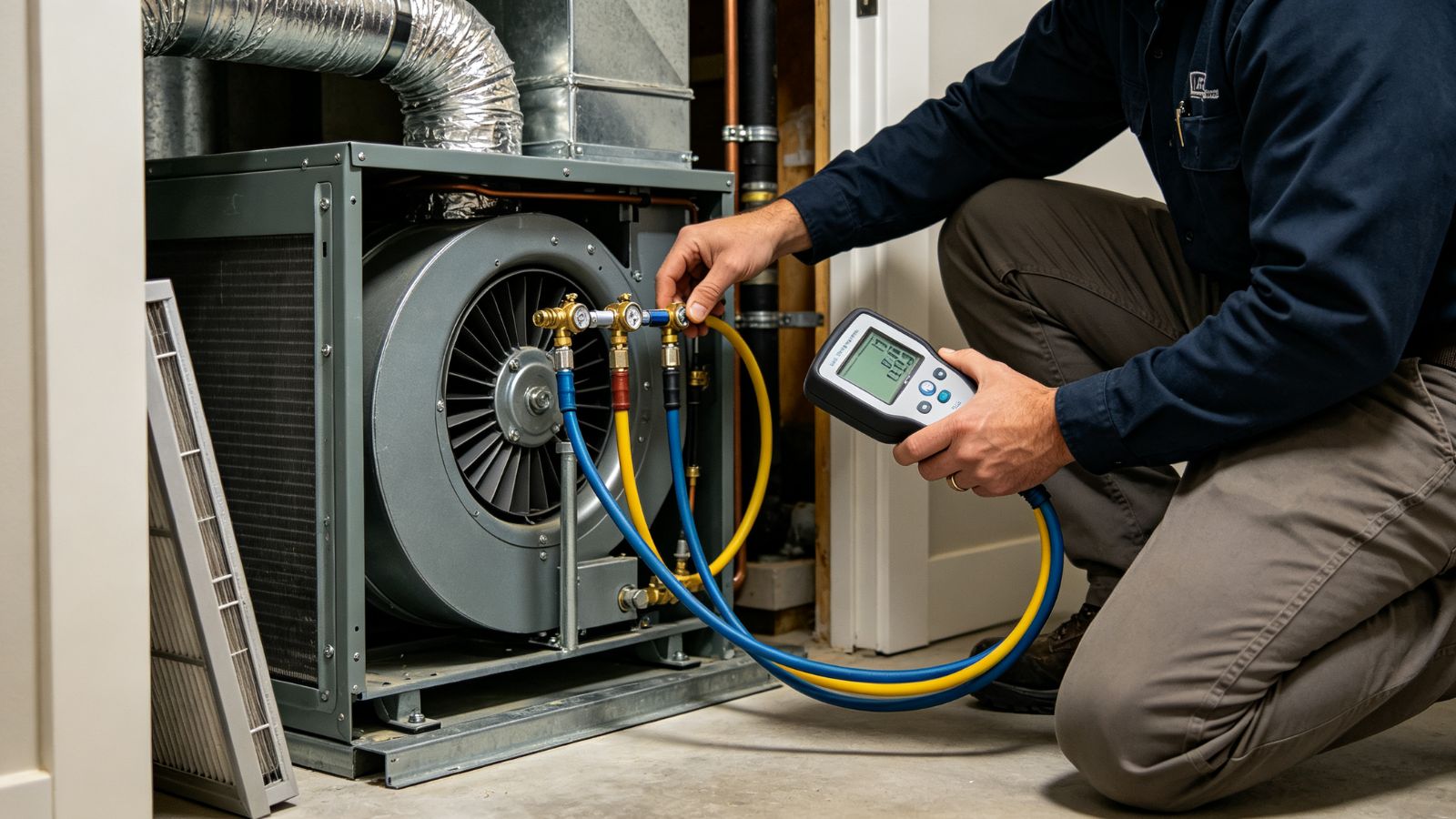
Airflow through ductwork naturally encounters resistance. As air travels from the air handler through filters, coils, ducts, fittings, and registers, each component creates some level of pressure loss. This resistance is a normal part of HVAC operation, but problems occur when the system creates more resistance than the blower and duct design were intended to handle.
Static pressure describes the force created by moving air against the interior surfaces of the duct system. HVAC professionals typically measure static pressure in inches of water column (in. w.c.) using specialized instruments such as a manometer. Total external static pressure combines resistance from both the return and supply sides of the system and provides an indication of how difficult it is for the blower to move air through the distribution network.
A properly designed HVAC system is not intended to operate with zero resistance. Instead, the goal is to maintain a balance between airflow requirements, duct design, and equipment capability. Guidelines such as ACCA Manual D emphasize matching duct system characteristics with blower performance rather than simply minimizing pressure. Acceptable operating conditions vary depending on equipment specifications, system design, and installation factors.
Airflow resistance can increase for many reasons, including restrictive filters, undersized ducts, poorly installed flexible ductwork, sharp transitions, dirty coils, or blocked return pathways. When these restrictions accumulate, the blower must work harder to move air, reducing the amount of conditioned air delivered to the building.
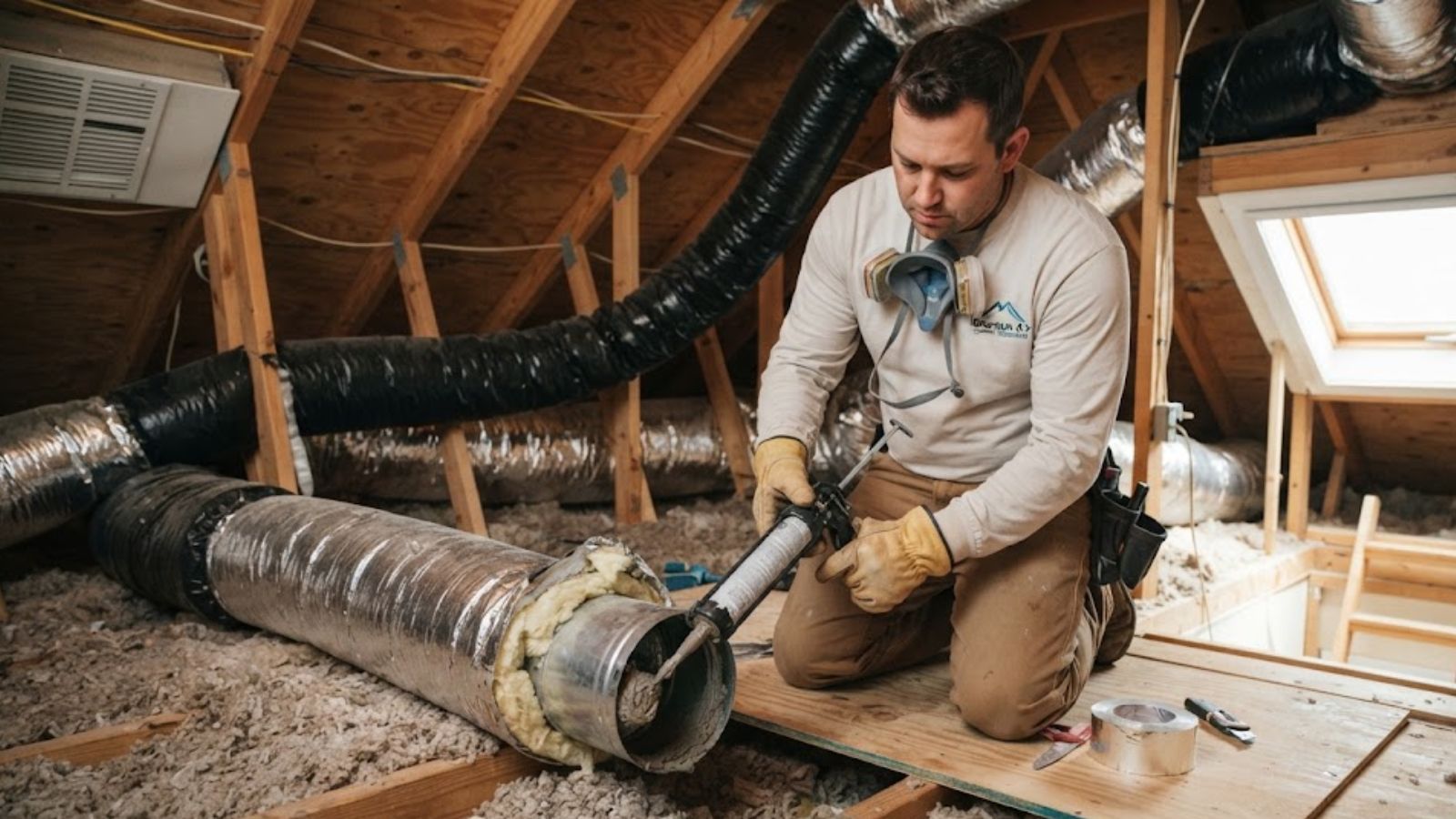
High static pressure is one of the most common signs that an HVAC system is operating against excessive resistance. When airflow pathways become restricted, the blower may need to operate under greater strain to maintain circulation. Depending on the equipment design, this can increase electrical consumption, reduce airflow volume, and prevent the system from reaching its intended performance.
One common cause is excessive filter resistance. High-efficiency filters can improve particle capture, but they also create additional pressure drop. If a filter is too restrictive for the specific HVAC system or becomes heavily loaded with debris, airflow can decline. Similar problems occur when ducts are undersized, compressed flexible ducts restrict movement, or internal HVAC components such as evaporator coils become dirty.
Reduced airflow can create several performance issues. During cooling operation, insufficient air movement across the evaporator coil can contribute to coil freezing under severe conditions. A restricted system may also produce uneven room temperatures because distant areas receive less airflow than intended. Over time, operating under excessive resistance can increase stress on blower components and other mechanical parts.
The correct solution depends on identifying the source of the restriction rather than simply replacing equipment. In some cases, improving filter selection may solve the issue. Other situations may require duct modifications, cleaning, repairs, or improved return airflow pathways.
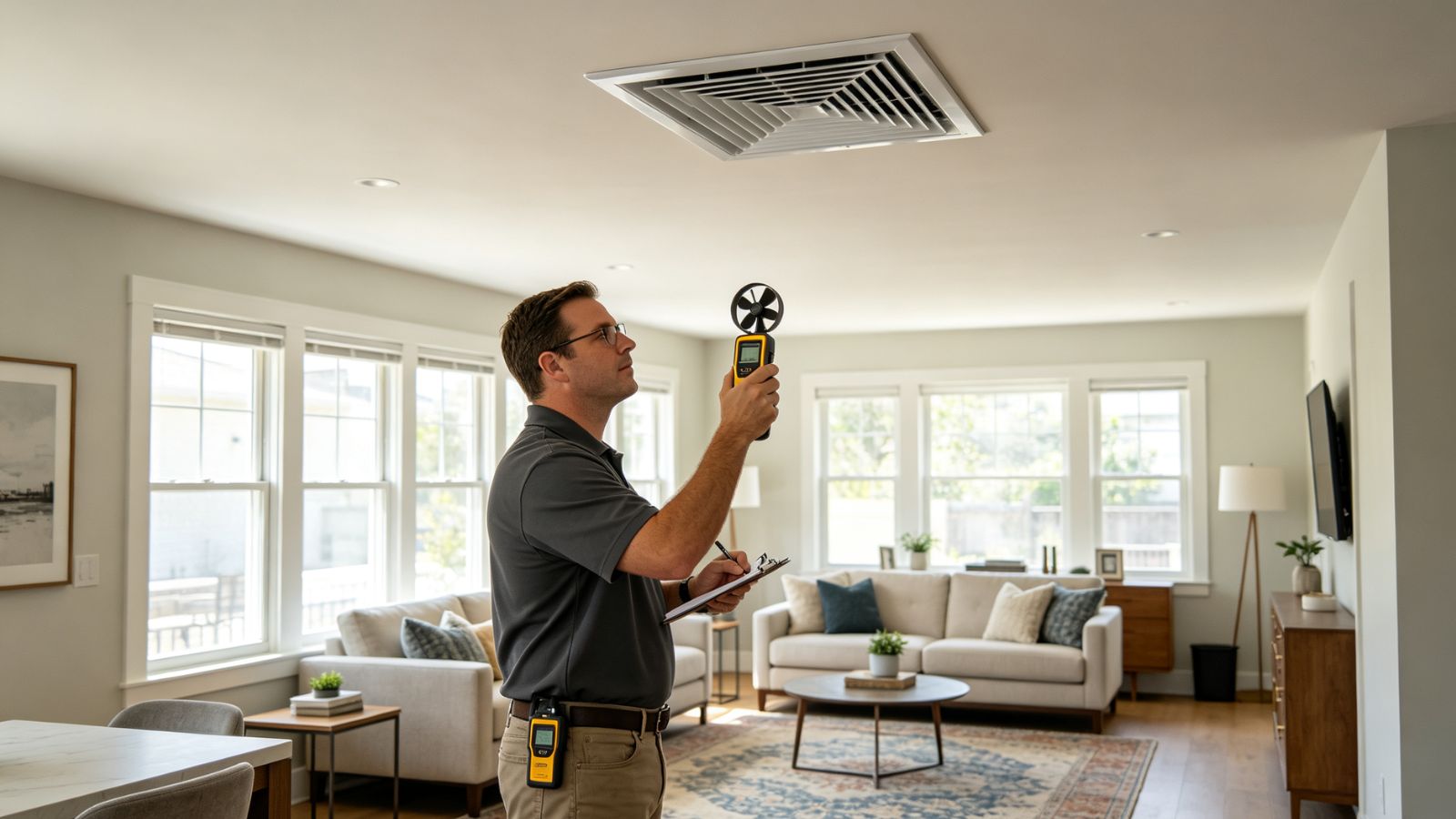
While static pressure measures how difficult it is for air to move through the system, duct leakage determines how much conditioned air is lost before reaching its destination. No duct system is completely airtight, but poorly sealed connections, damaged duct sections, and installation problems can significantly reduce distribution efficiency.
Supply-side leakage is one of the most direct forms of energy loss. When supply ducts leak inside attics, crawlspaces, garages, or other unconditioned areas, heated or cooled air escapes before entering the living space. The HVAC system must then operate longer because less conditioned air reaches the rooms where comfort is needed.
Return-side leakage creates a different challenge. Instead of losing conditioned air after it has been produced, the system may draw unwanted air into the return pathway. In hot and humid climates, this can introduce additional heat and moisture into the system, increasing cooling demand and making indoor humidity control more difficult.
The impact of duct leakage depends on several factors, including leakage severity, duct location, climate conditions, and overall system design. Leakage inside conditioned space may have a smaller effect, while significant leakage in unconditioned areas can greatly reduce delivered airflow. Because leakage changes the balance of the entire air distribution system, it should be evaluated together with airflow measurements and pressure conditions.
When homeowners experience uneven temperatures or rising energy costs, they often assume the HVAC equipment is too small or no longer powerful enough. While equipment problems can occur, many comfort issues are caused by airflow distribution problems rather than insufficient heating or cooling capacity.
For example, a bedroom that remains warmer than the rest of the house during summer may not indicate that the air conditioner lacks capacity. The actual issue could be a restrictive branch duct, poor airflow balance, insufficient return air movement, or leakage in areas where ducts are exposed to unconditioned spaces.
Replacing HVAC equipment without addressing the distribution system may fail to solve the underlying problem. An oversized replacement unit can even create additional efficiency and comfort issues if it does not match the airflow characteristics of the existing ductwork. Effective HVAC performance depends on the relationship between equipment output and the system’s ability to move air throughout the building.
This is why professional diagnosis relies on measurements rather than assumptions. Static pressure readings, airflow evaluations, duct inspections, and leakage testing provide a clearer picture of whether the limitation comes from equipment, installation, maintenance, or system design.
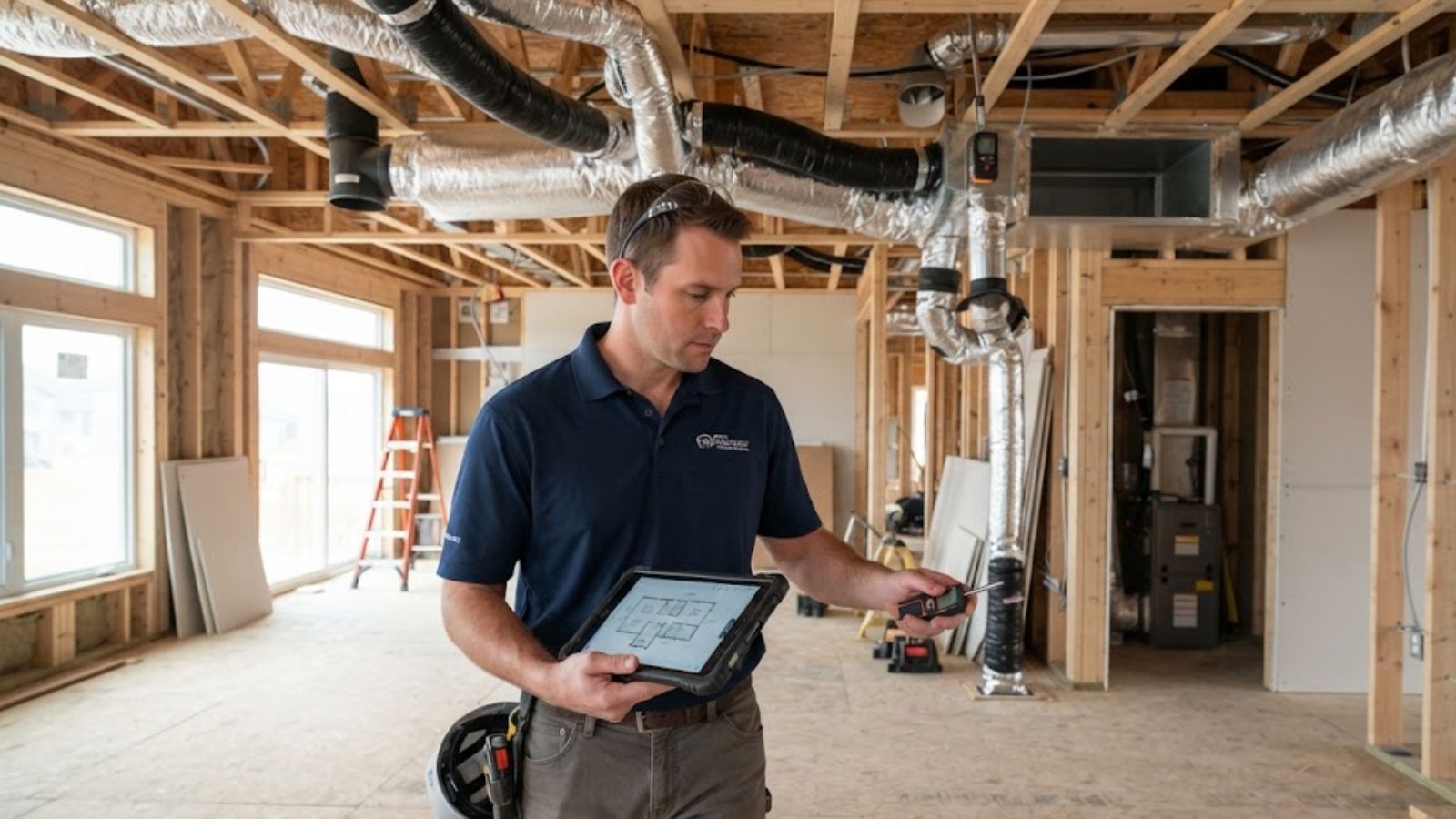
Accurate HVAC diagnosis begins by measuring how the system performs under actual operating conditions. Visual inspections can identify obvious problems such as disconnected ducts or damaged components, but many airflow issues require testing to locate the underlying cause.
Static pressure testing helps determine how much resistance the blower is overcoming. By measuring pressure differences across the air handler and related components, technicians can identify whether restrictions exist in the return side, supply side, filters, coils, or other parts of the system. Comparing measurements with manufacturer specifications helps determine whether airflow conditions are within an acceptable range.
Duct leakage testing provides additional information by showing how much air escapes from the distribution system. Tools such as duct blaster equipment can help quantify leakage and identify areas where sealing improvements may be beneficial. Proper sealing methods, including appropriate duct sealing materials, can improve airflow consistency and reduce unnecessary losses.
Long-term HVAC performance depends on maintaining balance between equipment capability, duct design, airflow, and pressure conditions. Improvements may include correcting restrictive duct sections, repairing leaks, maintaining filters and coils, and ensuring that return and supply pathways are properly designed. Rather than treating comfort problems as isolated equipment failures, evaluating the entire distribution system usually leads to more effective and lasting solutions.
HVAC performance is determined by more than the size or efficiency rating of the equipment. The duct system plays an equally important role by controlling how effectively conditioned air moves throughout the building. Static pressure reveals the resistance the system faces, airflow resistance explains why those challenges develop, and duct leakage determines how much conditioned air is lost before reaching occupied spaces.
A well-balanced HVAC distribution system allows equipment to operate closer to its intended conditions, improves comfort consistency, reduces unnecessary energy waste, and supports longer equipment life. By understanding the relationship between pressure, airflow, and leakage, homeowners and professionals can focus on the real causes of HVAC performance problems instead of simply replacing equipment without addressing the underlying system design.
