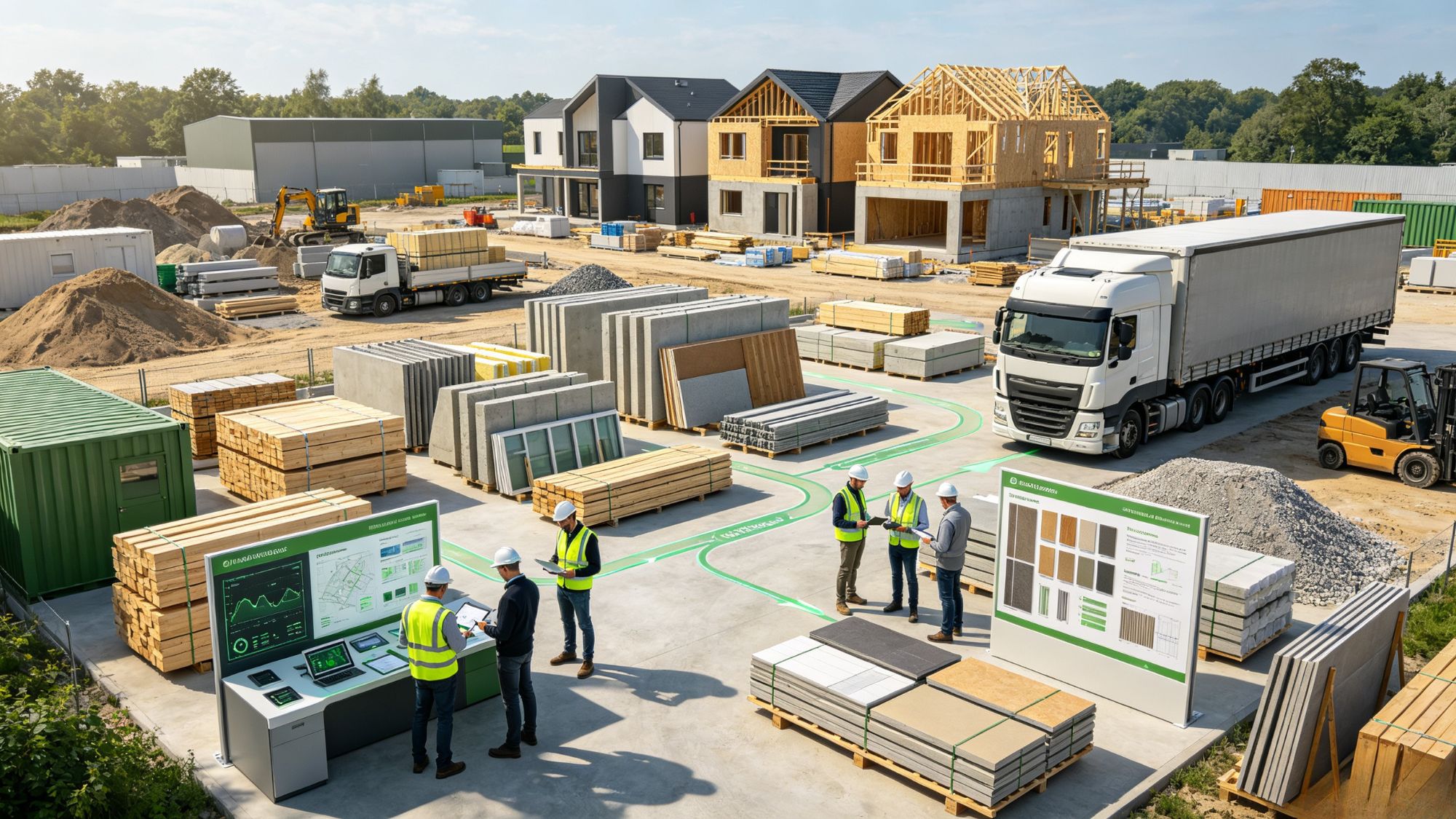
Selecting building materials has traditionally focused on familiar factors such as price, availability, and technical performance. However, modern construction projects increasingly require a broader evaluation process that considers environmental impact, supply chain reliability, and verified product information.
A material that appears similar on the surface may have very different environmental and social impacts depending on where it comes from, how it is manufactured, and what documentation supports its claims.
By combining environmental data, supply chain transparency, and reliable product documentation, architects, engineers, and procurement teams can make more informed sourcing decisions.
Effective material selection begins with measurable information rather than general sustainability claims. Life Cycle Assessment (LCA) provides one of the most widely used frameworks for evaluating the environmental impacts associated with building products.
LCA examines different stages of a material’s life cycle, including:
Raw material extraction
Manufacturing processes
Energy consumption
Transportation impacts
End-of-life scenarios
Environmental information can help project teams compare different materials based on specific performance indicators.
Common evaluation categories include:
Embodied Carbon: Measures greenhouse gas emissions associated with producing and delivering materials.
Energy Consumption: Evaluates the amount and type of energy required during manufacturing.
Water and Resource Impacts: Considers resource use and potential environmental pressures from extraction activities.
Rather than relying only on product descriptions, procurement teams can use these metrics to identify materials that better align with project sustainability goals.

Environmental performance does not end at the factory. The journey from raw material extraction to manufacturing and final delivery can significantly influence the overall impact of a product.
Supply chain transparency helps project teams understand where materials originate and how they move through different production stages.
Transportation considerations are particularly important for heavy construction materials such as concrete products, metals, and aggregates.
Regional sourcing can reduce transportation requirements by shortening supply routes, while detailed logistics analysis helps identify where emissions occur throughout the delivery process.
Many construction products involve complex supply networks extending beyond the final manufacturer.
Understanding deeper supply chain layers can reveal:
Raw material origins
Recycled content sources
Manufacturing practices
Potential environmental or social risks
This broader visibility allows companies to make sourcing decisions based on more complete information.
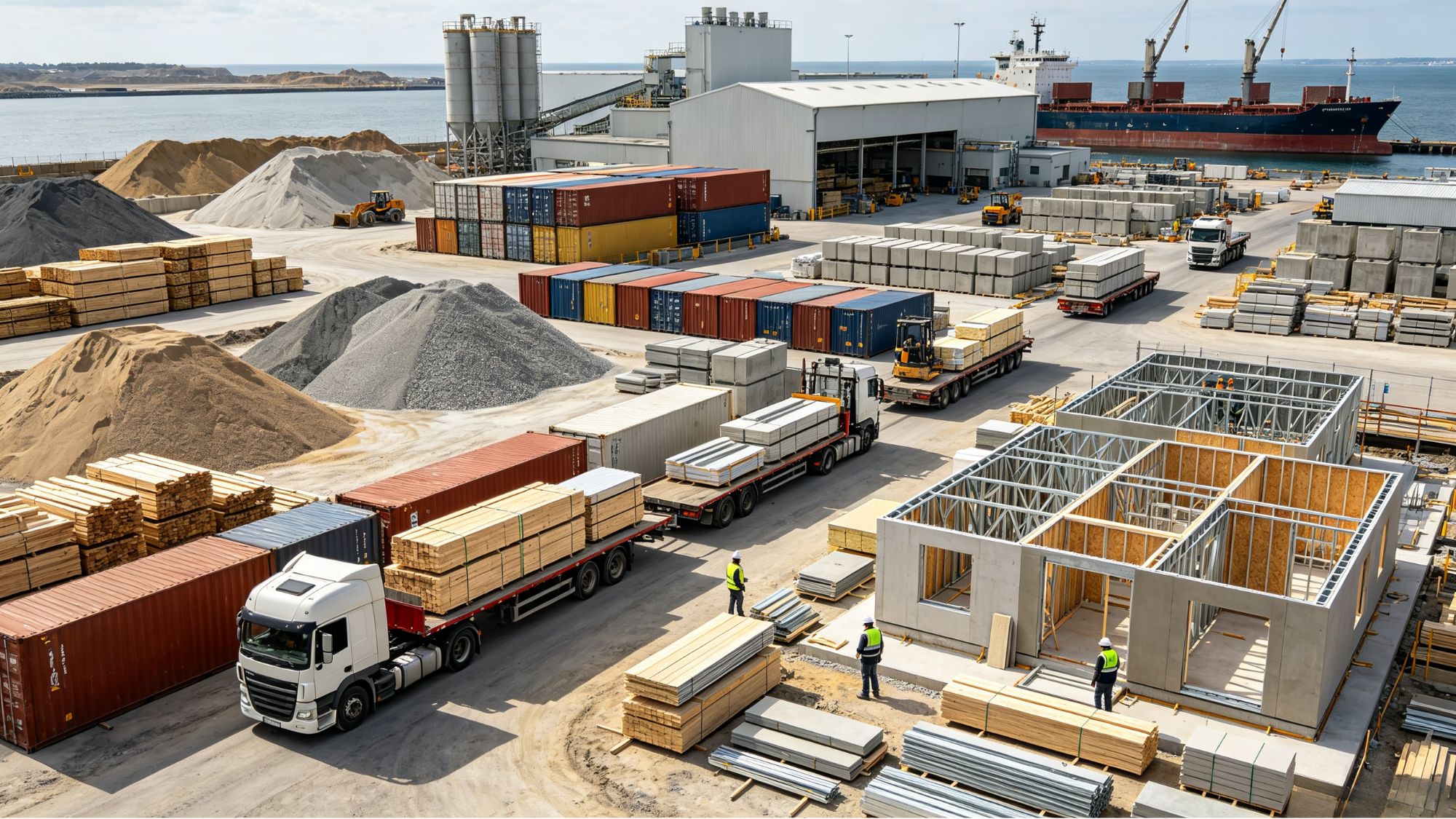
Reliable documentation allows construction teams to distinguish between verified environmental performance and unsupported sustainability claims.
Environmental Product Declarations provide standardized information about a product’s environmental impacts based on life-cycle assessment methods.
EPDs commonly include information about:
Global warming potential
Energy use
Resource consumption
Manufacturing impacts
Because EPDs follow established calculation rules and verification processes, they provide a more consistent way to compare similar products.
Environmental performance is only one aspect of material evaluation. Indoor environmental quality and chemical composition are also important considerations.
Documentation systems such as Health Product Declarations (HPDs) provide information about product ingredients and chemical content, helping project teams better understand potential indoor environmental considerations.

Although data-driven sourcing provides significant advantages, implementation can still be challenging.
Different manufacturers may provide environmental information in different formats, making direct comparisons difficult. Digital material databases and standardized reporting systems are helping improve accessibility and consistency.
Sustainable sourcing decisions must also consider practical factors such as:
Material availability
Project schedules
Budget limitations
Technical requirements
The most suitable choice is often not a single environmental metric, but a balance between environmental performance, durability, cost, and project needs.
Material sourcing is becoming an increasingly data-driven process. Environmental information, supply chain visibility, and product documentation allow construction teams to move beyond simple purchasing decisions and evaluate the broader impact of their choices.
By combining verified environmental data with transparent supply chain information, the construction industry can create buildings that are not only functional and durable but also better aligned with long-term resource and environmental goals.

Modern material sourcing requires a deeper understanding of where products come from, how they are manufactured, and what environmental impacts they carry. Tools such as life-cycle assessments, Environmental Product Declarations, and supply chain documentation provide the foundation for more informed decisions.
As construction continues to evolve toward greater transparency, material selection will increasingly depend on reliable data rather than assumptions—helping create a more efficient and responsible built environment.
