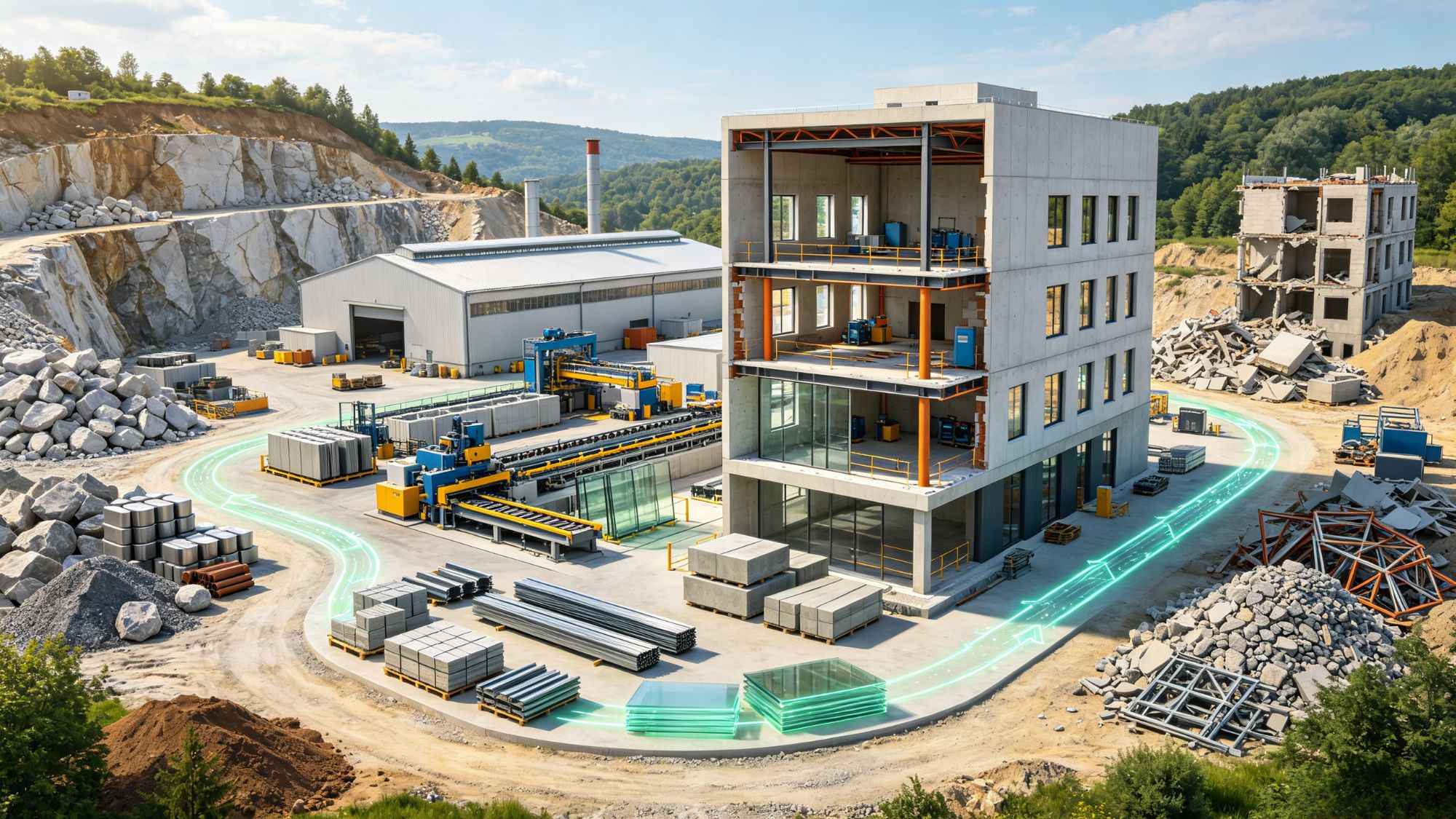
A building material’s performance cannot be fully understood by looking only at its appearance, price, or structural strength. Every material carries an environmental and technical history that begins before it reaches a construction site and continues long after a building is demolished.
Modern architects, engineers, and sustainability specialists increasingly rely on Life Cycle Assessment (LCA) to evaluate materials across their entire lifespan. This approach examines everything from resource extraction and manufacturing emissions to operational performance, maintenance requirements, and end-of-life recovery.
By analyzing each stage of a material’s journey, LCA provides a more complete picture of its long-term impact.
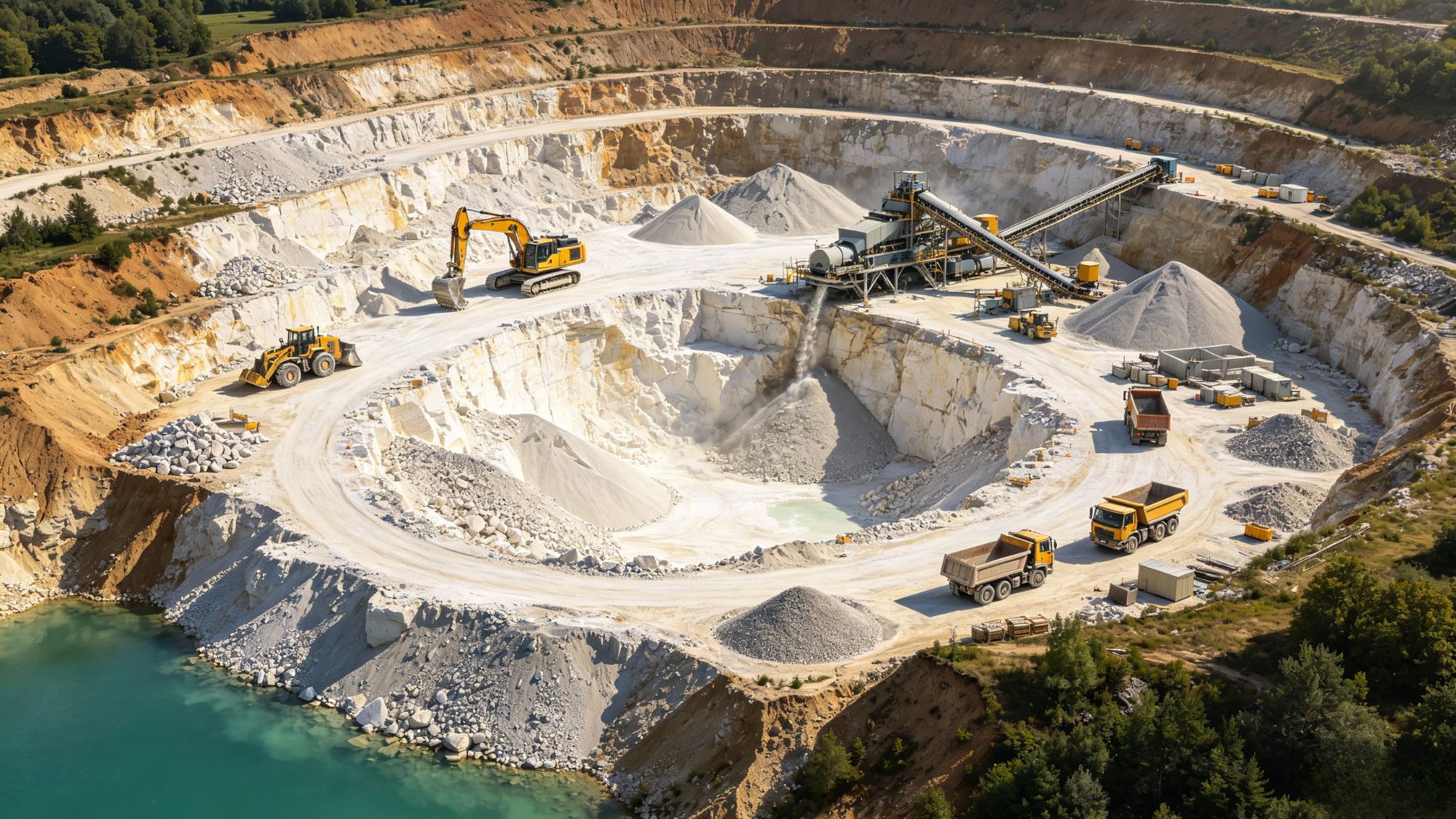
The life cycle of every construction material begins with obtaining the resources needed to create it. Whether extracting iron ore for steel production, limestone for cement manufacturing, or timber for structural applications, this initial stage determines part of the material’s environmental burden.
Material extraction affects both natural ecosystems and energy consumption patterns.
Mining operations can disturb landscapes, alter water systems, and contribute to habitat loss. Logging activities may influence forest ecosystems depending on how resources are managed. In addition, heavy machinery used during extraction often requires significant energy input, contributing to the material’s initial carbon footprint.
Life cycle evaluations consider factors such as:
Resource depletion
Land disturbance
Energy consumption
Greenhouse gas emissions
Responsible sourcing programs and certification systems help reduce these impacts by encouraging more sustainable extraction practices.
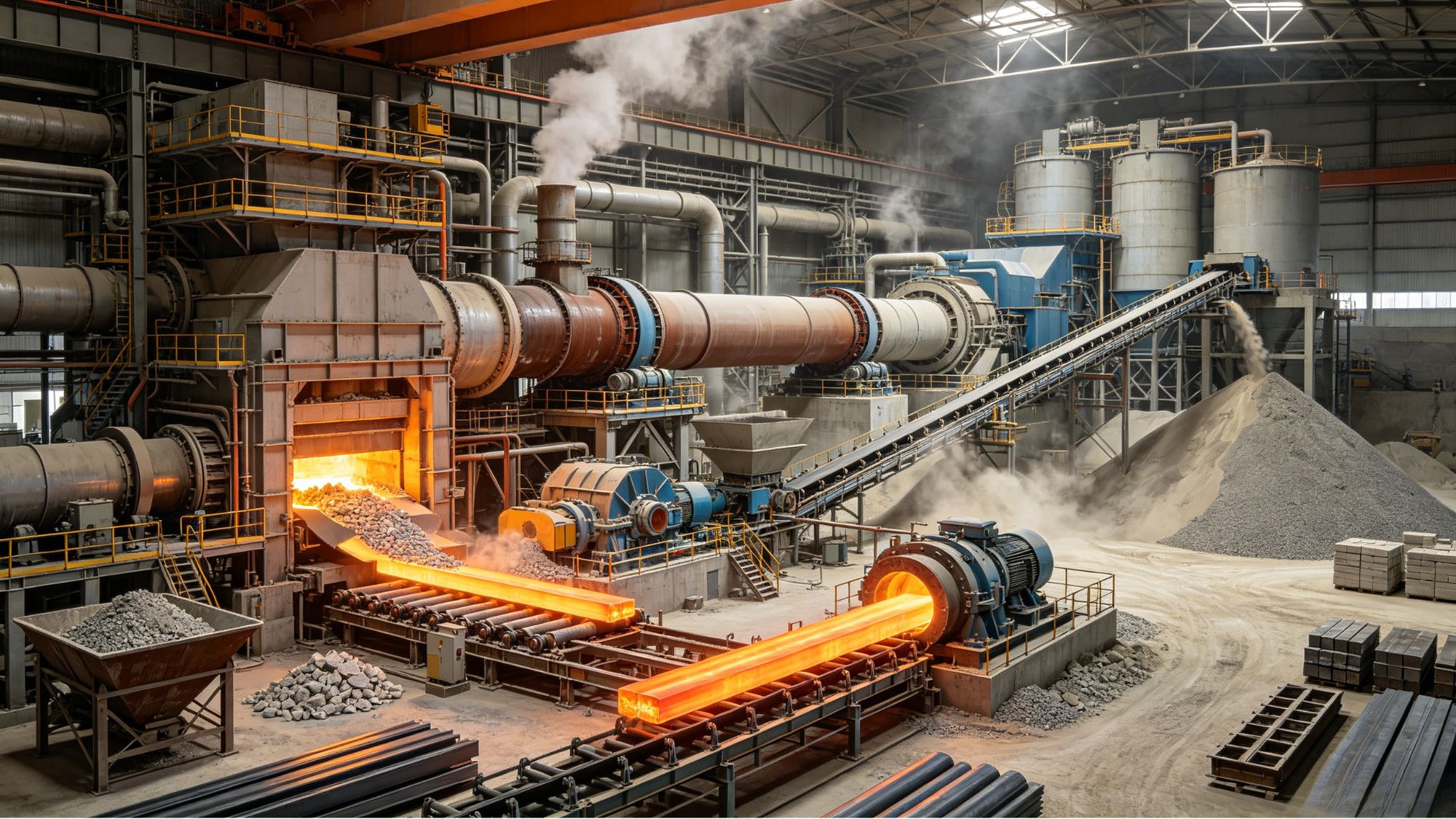
After extraction, raw materials undergo industrial processing to become usable construction products, including steel beams, concrete, insulation materials, and engineered wood products.
This transformation stage is frequently one of the most energy-intensive parts of a material’s life cycle.
Different materials create different environmental challenges during manufacturing.
For example, cement production requires heating limestone at extremely high temperatures. During this process, carbon dioxide is released not only from fuel combustion but also from the chemical transformation of limestone itself.
Steel manufacturing faces similar challenges because converting raw iron ore into usable metal requires large amounts of energy. However, recycling steel can significantly reduce environmental impacts by avoiding much of the energy required for primary production.
Manufacturing is only part of the process. Materials must also travel from production facilities to construction sites.
Transportation impacts depend on:
Material weight
Shipping distance
Transportation method
Delivery efficiency
Heavy materials such as concrete and steel generally create larger transportation emissions because of their mass, making local sourcing an important consideration in sustainable construction planning.
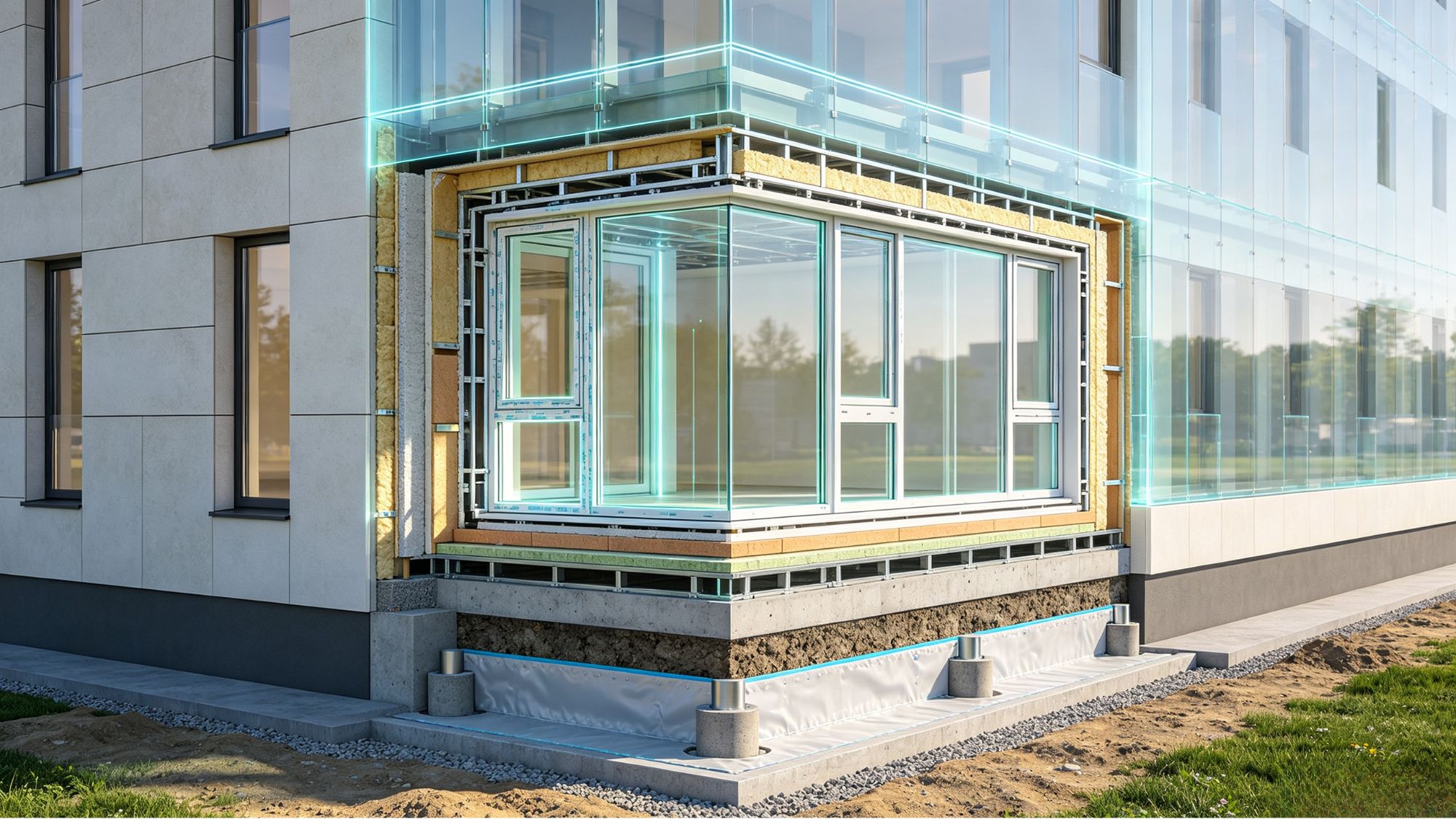
A material’s environmental impact does not end once it becomes part of a building. The use phase can last decades, and the way materials perform during this period can significantly influence overall sustainability.
Some materials directly affect how much energy a building consumes.
High-performance insulation, advanced glazing systems, and efficient building envelopes can reduce heat transfer between indoor and outdoor environments. Over many years, these energy savings may offset part of the environmental impact created during manufacturing.
Long-lasting materials often provide sustainability advantages because they reduce the need for replacement.
However, maintenance activities also contribute to a material’s life cycle impact. Repainting, sealing, repairing corrosion, or replacing damaged components requires additional resources, energy, and chemical products.
A material that requires frequent maintenance may have a larger environmental footprint over its lifetime compared with a more durable alternative.
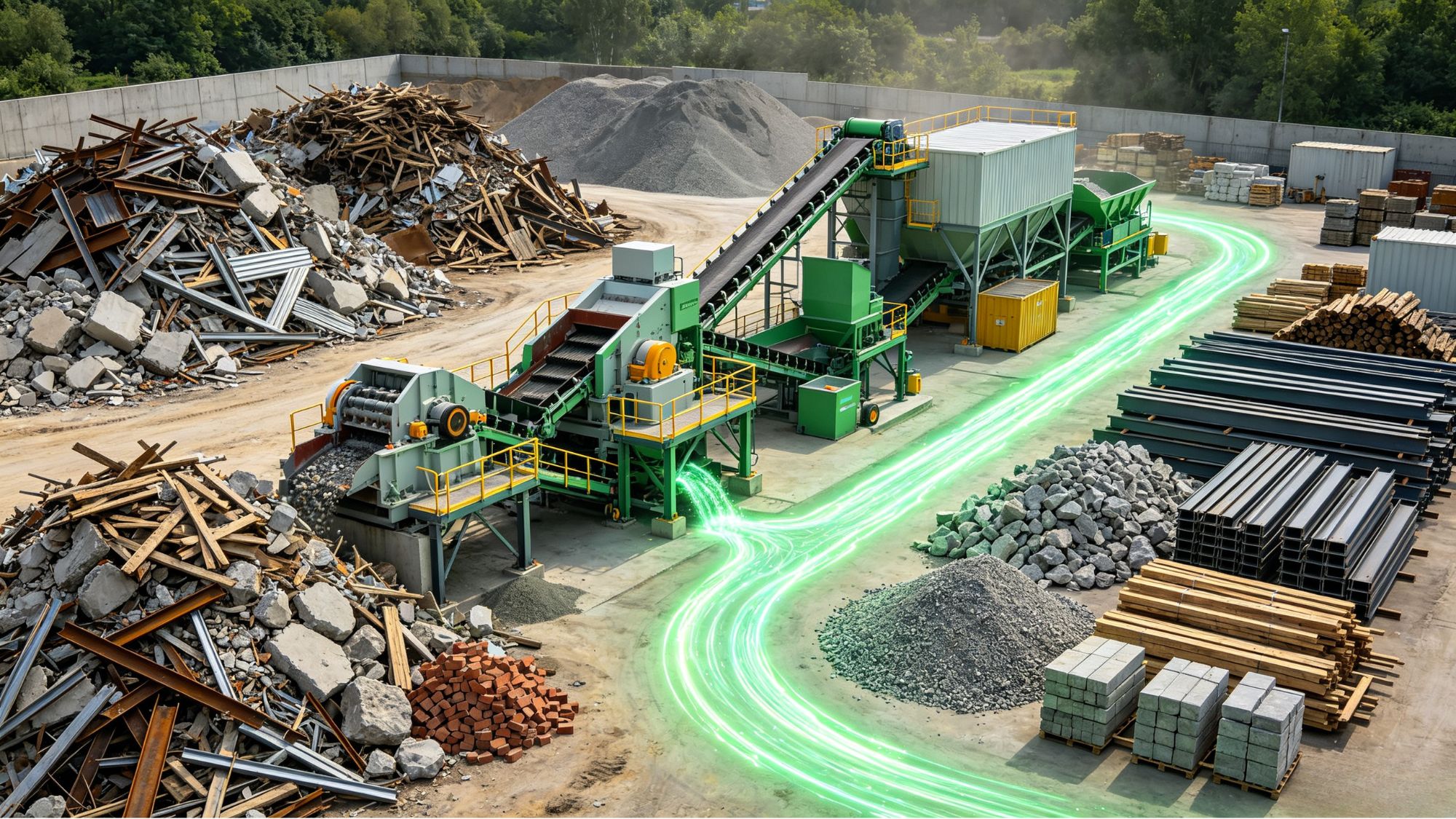
Eventually, buildings are renovated, dismantled, or demolished. At this stage, materials enter the final part of their life cycle.
The way materials are handled after removal determines whether their remaining value is preserved or lost.
Some materials can maintain significant value after their first use.
Steel, aluminum, and copper can often be recycled repeatedly while retaining important physical properties. Recycling these materials reduces demand for new extraction and lowers the energy required for future production.
Other materials, such as certain composite products, are more difficult to separate and may be downcycled into lower-value applications or sent to landfill.
A growing approach in sustainable construction is design for deconstruction.
Instead of permanently bonding materials together with adhesives or irreversible connections, buildings can be designed with removable components and mechanical fasteners. This makes future repair, reuse, and recycling easier.
Such strategies support a circular economy model where building materials remain valuable resources rather than becoming waste.
The sustainability of a building material depends on far more than its initial cost or physical appearance. Through life cycle assessment, professionals can evaluate the complete journey of materials—from resource extraction and manufacturing to decades of use and eventual recovery.
This broader perspective helps the construction industry make better decisions by balancing structural performance, economic factors, and environmental responsibility. As buildings move toward more circular and resource-efficient designs, understanding the full life cycle of materials becomes increasingly important.
