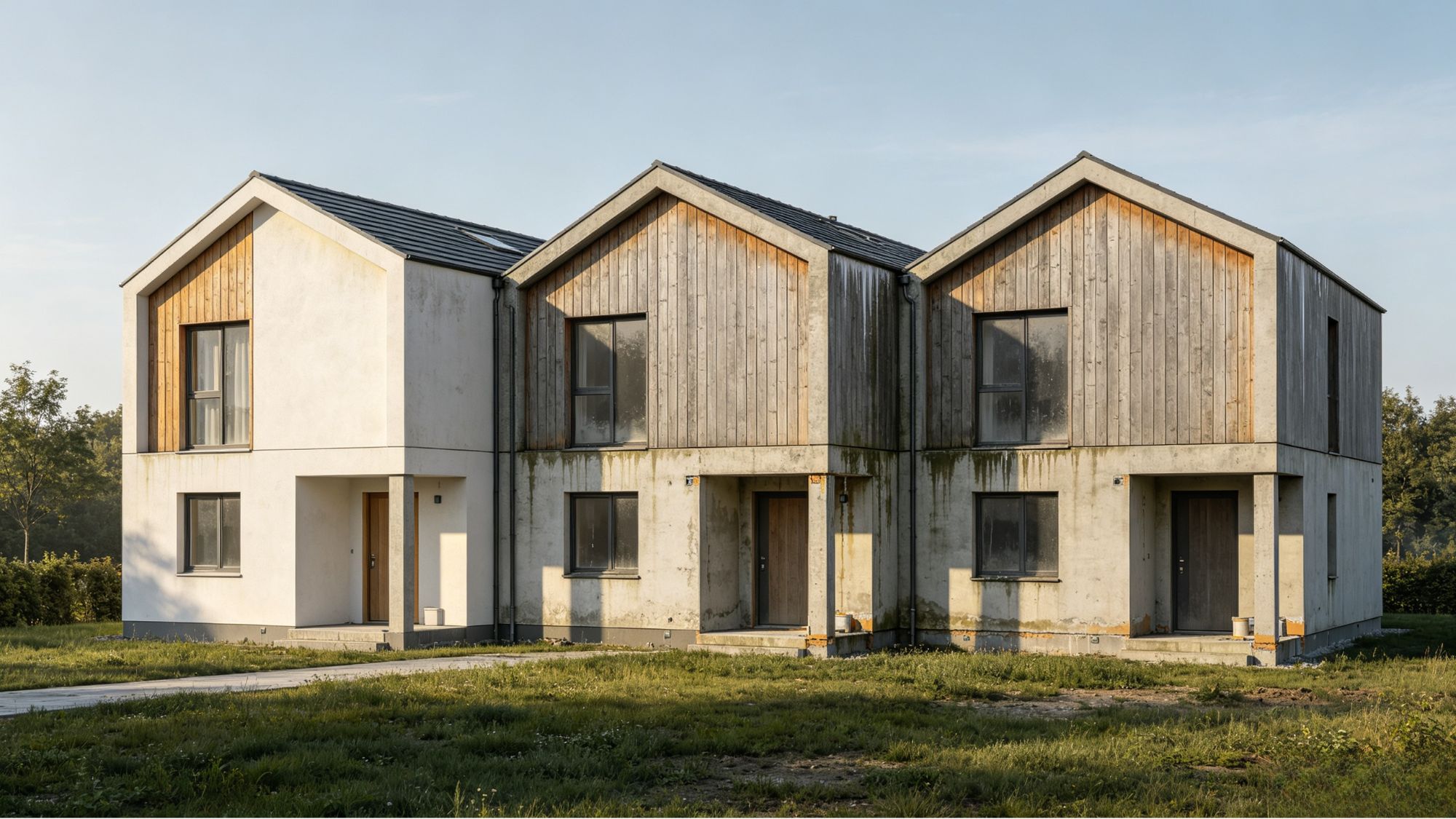
Residential buildings rarely fail because of a single dramatic event. Instead, most material deterioration occurs gradually through years of exposure to environmental conditions, structural loads, and everyday use.
From moisture entering wall assemblies to repeated temperature changes affecting joints and finishes, building materials are constantly undergoing physical and chemical changes. Understanding these aging mechanisms helps architects, builders, and homeowners make better decisions about material selection, maintenance planning, and long-term durability.
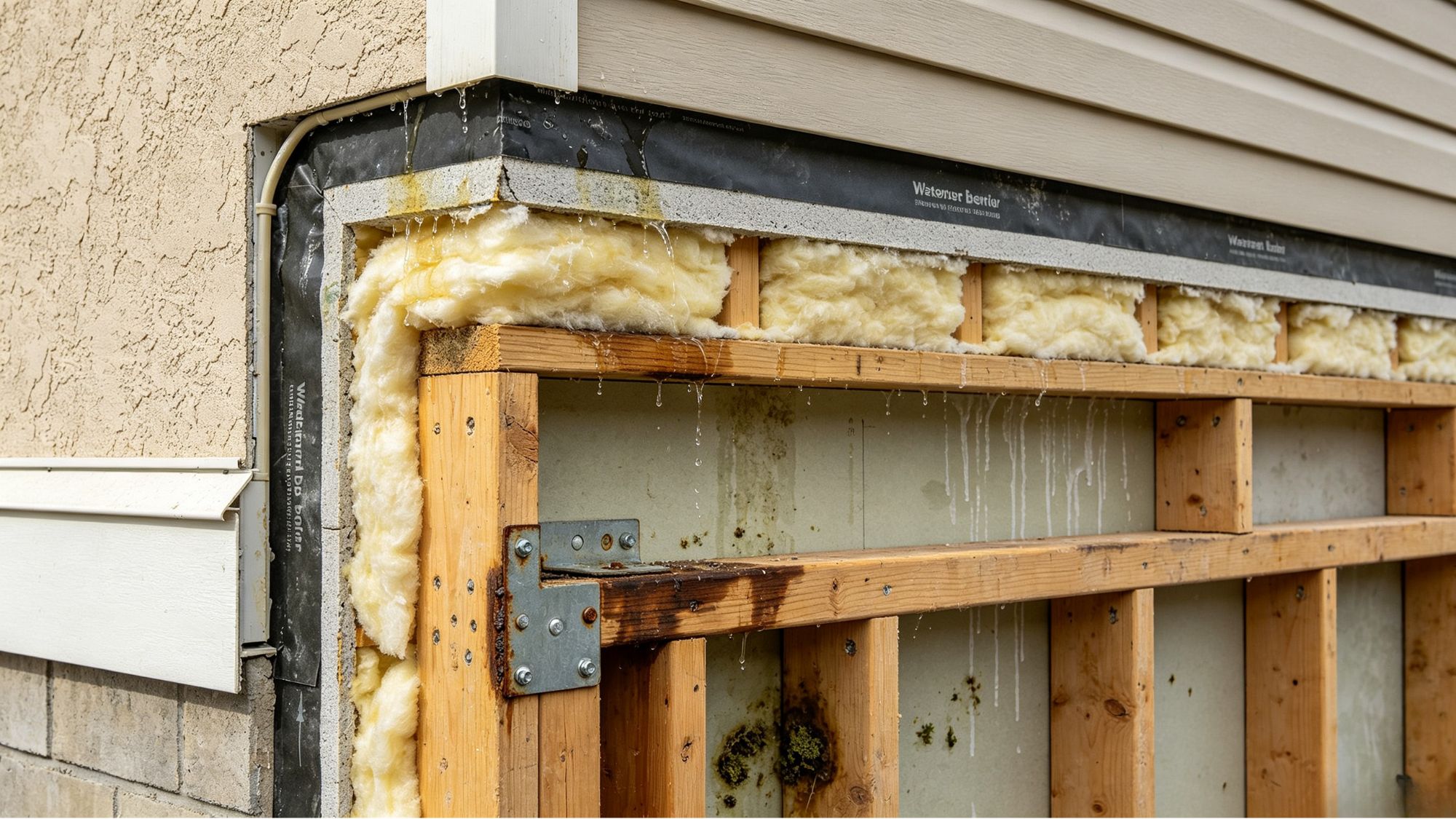
Among the many factors influencing building durability, moisture is one of the most significant. Water can weaken materials directly, transport corrosive compounds, and create conditions that support biological activity.
Different materials respond to moisture based on their porosity, permeability, and internal structure. Materials such as wood, concrete, brick, and gypsum-based products can absorb or retain moisture through pores and microscopic pathways.
When moisture remains trapped inside building assemblies, several problems may develop:
Biological deterioration: Persistent moisture conditions can encourage mold growth and wood-decay fungi, which gradually weaken organic materials such as timber framing and wood finishes.
Freeze-thaw damage: In colder climates, water absorbed into porous materials can freeze and expand. Because ice occupies more volume than liquid water, repeated freezing cycles create internal pressure that may cause cracking, surface erosion, and spalling in concrete, masonry, and mortar joints.
Corrosion risks: Moisture can accelerate corrosion of metal fasteners, reinforcement bars, and structural connectors, reducing their long-term performance.
Effective moisture management through drainage systems, vapor control, flashing, and proper material selection is therefore essential for extending building life.
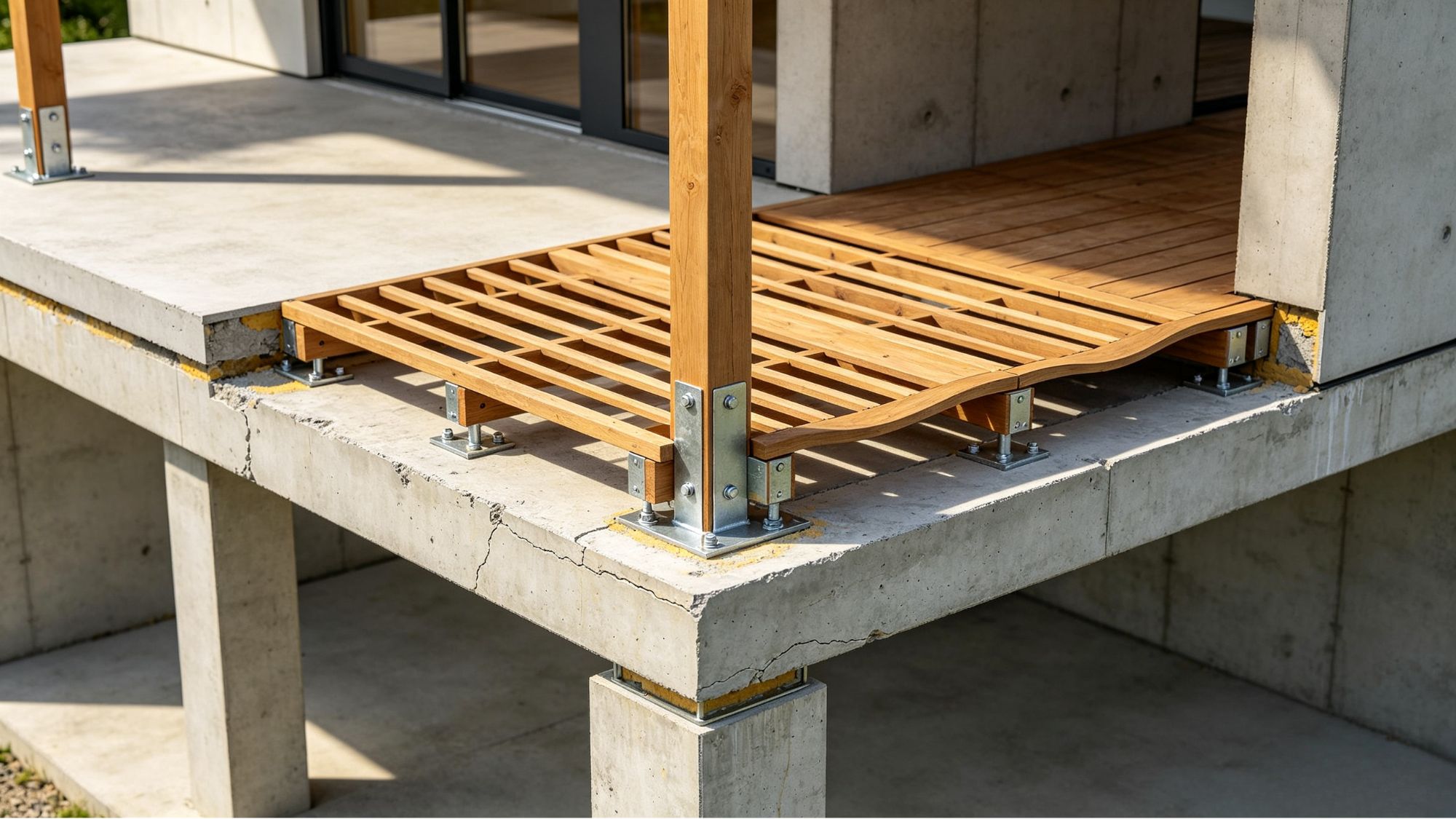
Every residential structure experiences continuous mechanical forces. These include permanent loads from the building itself, temporary loads from occupants and furniture, and environmental forces such as wind pressure.
Although many materials are designed to withstand these forces, repeated stress over long periods can gradually change their physical properties.
Some materials respond to sustained loads by slowly changing shape, a process known as creep.
Examples include:
Wood components: Floor joists and framing members may gradually experience deformation under long-term loading, contributing to uneven floors, sticking doors, or changes in structural alignment.
Concrete structures: Reinforced concrete elements can undergo gradual deformation due to sustained stress, moisture movement, and internal material changes.
Repeated loading cycles can also create fatigue damage. Unlike sudden overload failure, fatigue develops through many small stress events, such as repeated wind movement, vibration, or thermal expansion. Over time, microscopic cracks may accumulate and reduce material reliability.
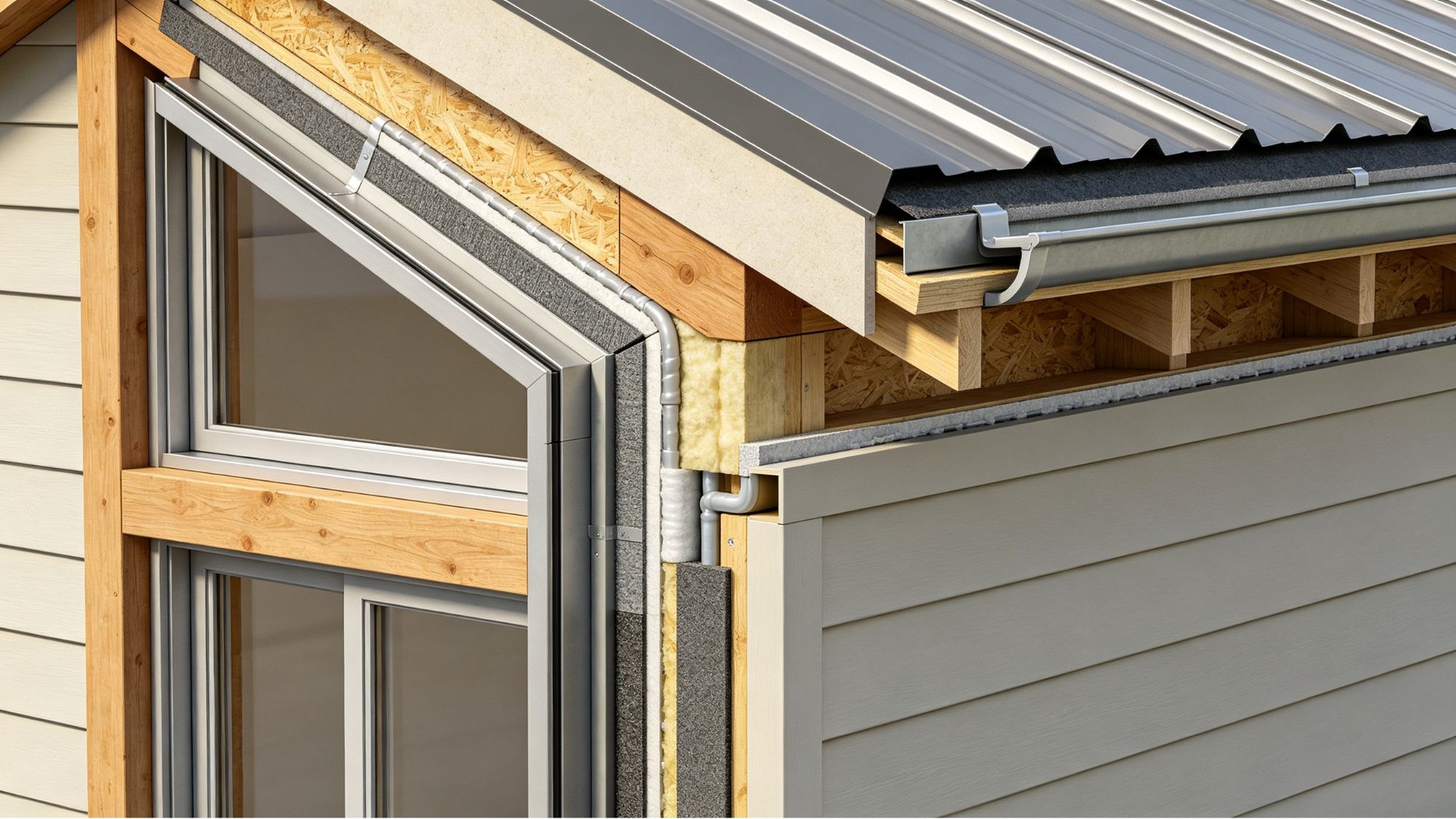
Residential buildings experience constant temperature variations caused by seasonal weather, sunlight exposure, and daily heating and cooling cycles.
Nearly all construction materials expand when heated and contract when cooled. The challenge arises because different materials expand and contract at different rates.
When multiple materials are combined in one building assembly, differences in thermal movement can create internal stress.
Common examples include:
Metal window frames installed within wood or masonry assemblies
Exterior cladding attached to structural framing
Roofing materials exposed to repeated heating and cooling cycles
If joints and connections cannot accommodate this movement, materials may develop cracks, seal failures, or separation between components.
Proper detailing, expansion joints, flexible sealants, and compatible material combinations help reduce these problems.
While environmental factors affect the exterior and structure of a building, interior materials experience continuous physical wear from daily activities.
Flooring, countertops, stairs, doors, and hardware are exposed to repeated contact, friction, and impact throughout their service life.
The durability of interior finishes often depends on how well their protective surfaces resist wear.
Examples include:
Wood flooring: Hardness ratings help evaluate resistance to dents and scratches. Thicker wood surfaces can often be refinished multiple times, extending their useful life.
Tile and stone surfaces: Harder materials generally resist abrasion better, although surface damage can still occur from repeated impact or abrasive particles.
Synthetic flooring: Wear layers protect underlying materials, but once these layers deteriorate, moisture and staining risks may increase.
Small surface defects may appear insignificant at first, but they can gradually expose underlying layers to additional damage.
Understanding degradation mechanisms allows building professionals to move from reactive repairs toward preventive strategies.
Long-lasting residential construction depends on several principles:
Selecting materials appropriate for local climate conditions
Designing assemblies that manage moisture effectively
Allowing for thermal movement between different materials
Choosing components that can be repaired or replaced when necessary
Performing regular inspections before minor issues become major failures
Material durability is not determined only by the strength of an individual product. It also depends on how materials interact with the surrounding environment and how effectively the overall building system manages stress over time.
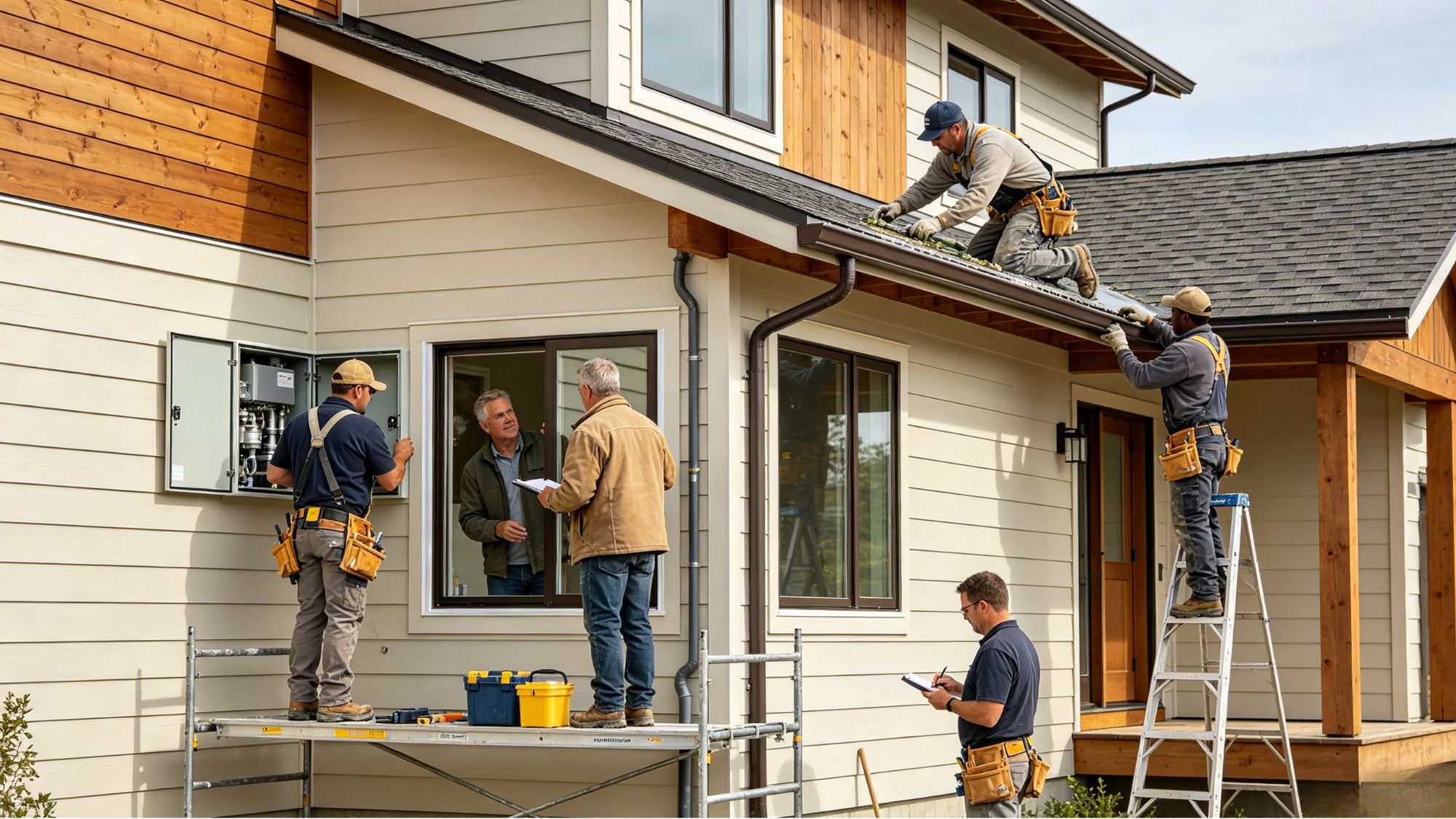
The service life of residential materials is shaped by a combination of moisture exposure, mechanical stress, temperature fluctuations, and everyday wear. Water intrusion can accelerate decay and corrosion, repeated loading can cause gradual deformation, thermal movement can stress connections, and surface abrasion can reduce the performance of finishes.
By understanding these aging processes, builders and homeowners can make more informed decisions about design, maintenance, and material selection. A durable home is not created only through stronger materials—it is created through systems designed to manage the forces that act on them throughout their entire lifespan.
